
Updates
Be updated with our latest events and activities

Our Priority Agenda and Basis of Unity
AFA promotes these five priority agenda through programs and projects that are coordinated at regional/international levels and implemented at national levels. AFA links, networks, coordinates, and partner with like-minded institutions that help push forward our five priority agenda.
RIGHTS TO NATURAL RESOURCES
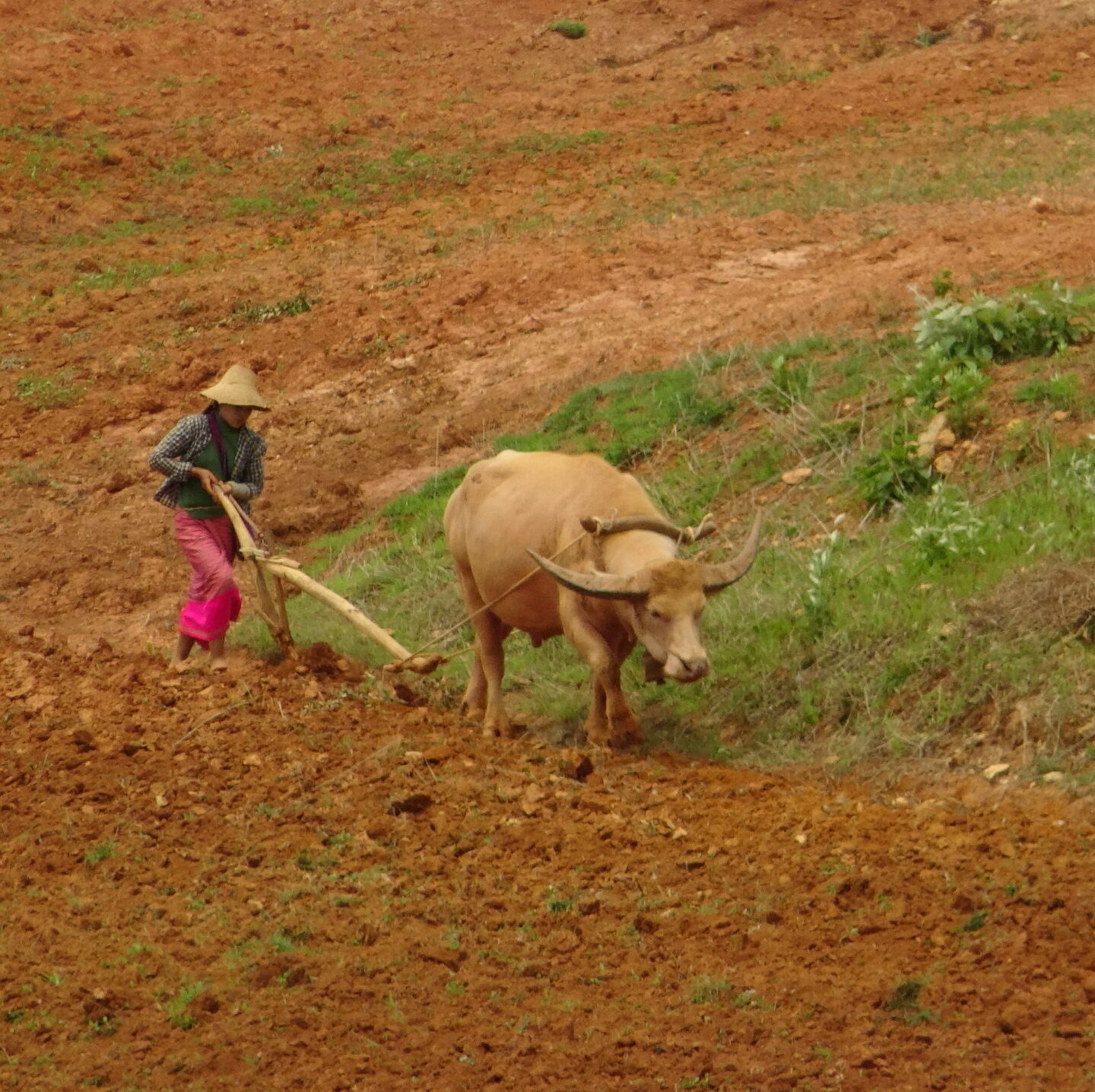
We promote secure tenurial rights of small scale women and men family farmers over natural resources: lands, waters, forests, seeds
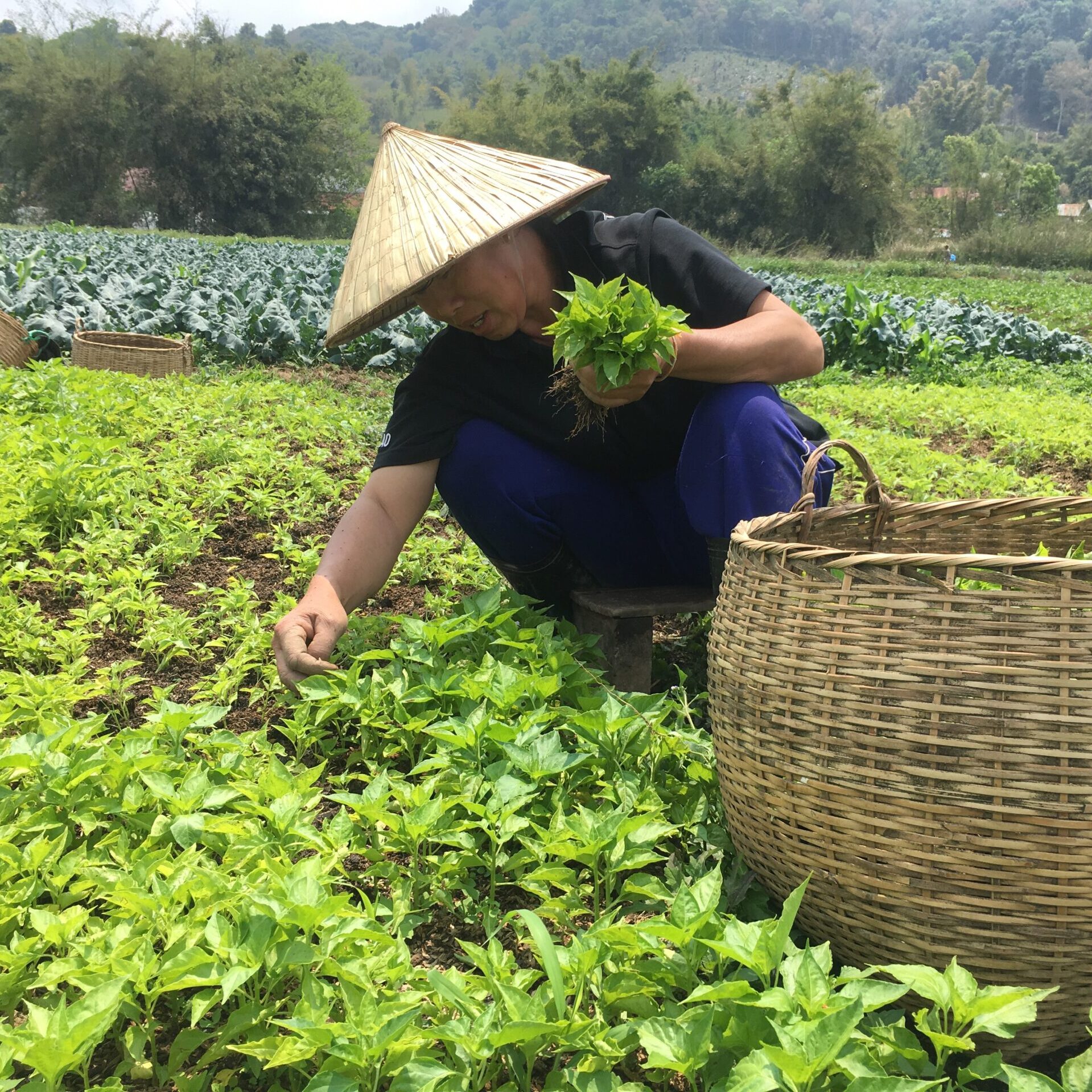
AGROECOLOGY/CLIMATE RESILIENT AGRICULTURE
We produce diverse and nutritious food through sustainable, integrated, diversified, resilient, organic, agroecological family farming systems and practices in farms and forested landscapes
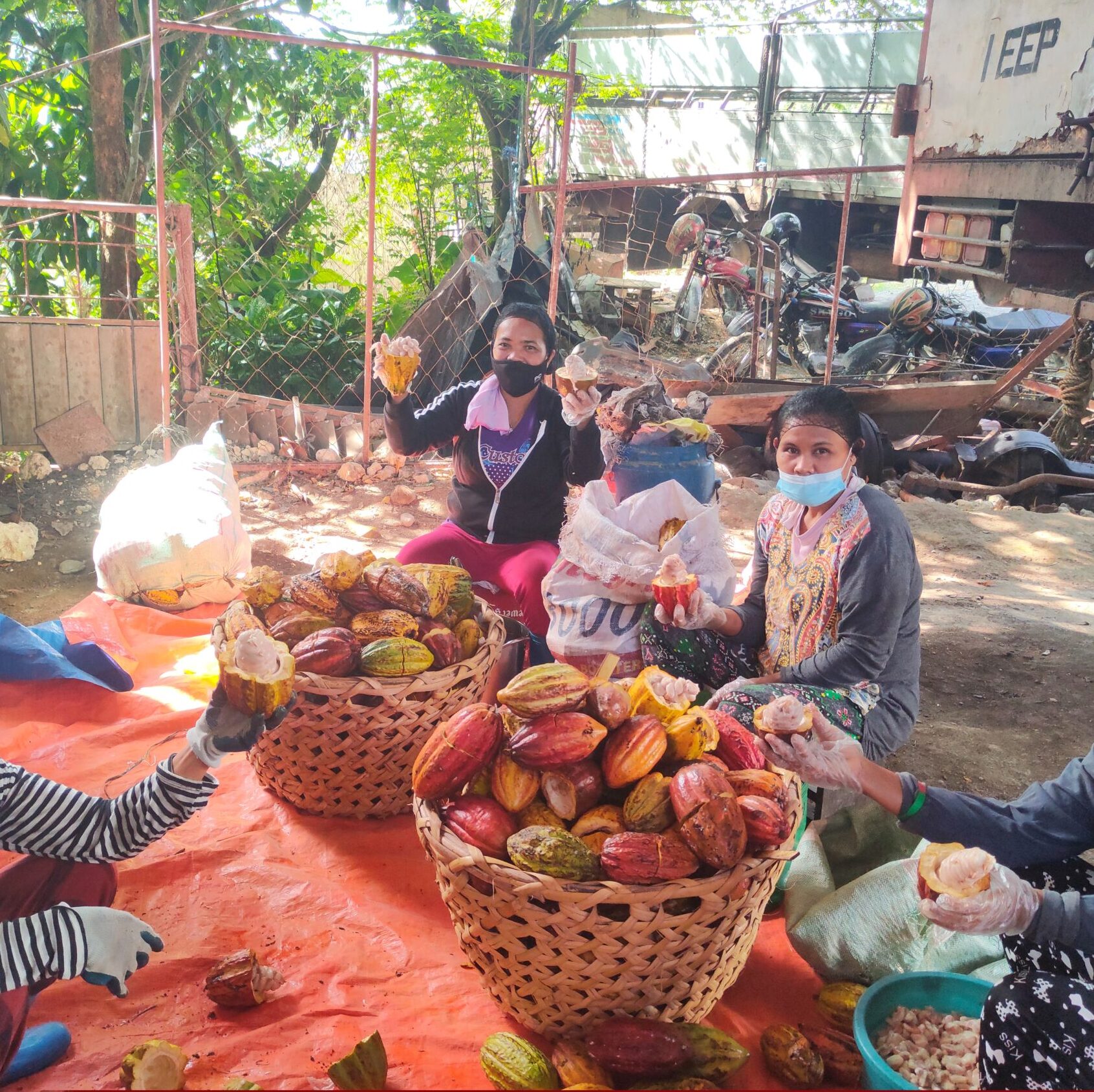
COOPERATIVES AND ENTERPRISES
We build and strengthen family farmers’ cooperatives and their enterprises that will give farmers stronger involvement in value chains and increase their market power
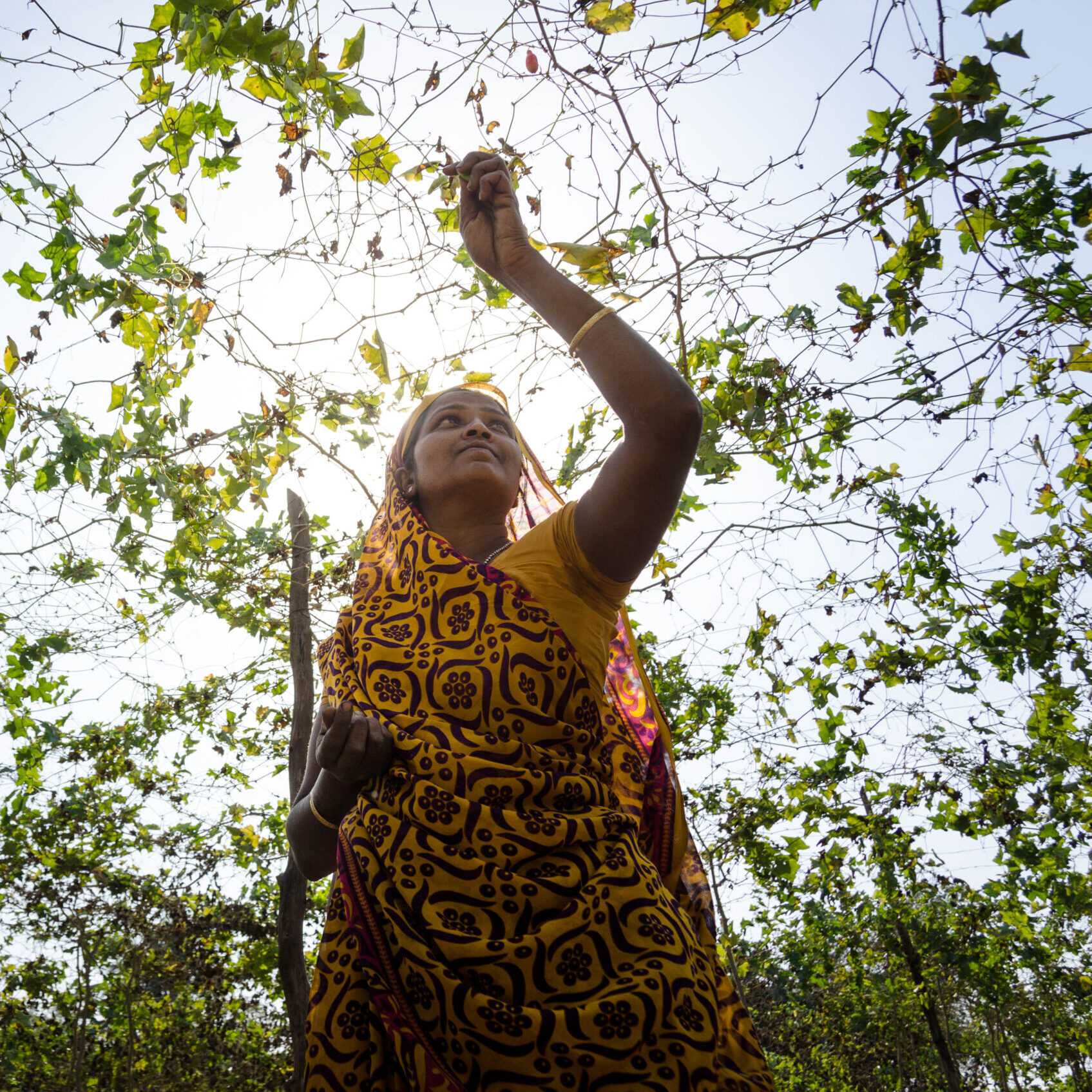
WOMEN EMPOWERMENT
We promote fair treatment and ensure equitable rights and opportunities among women and men farmers
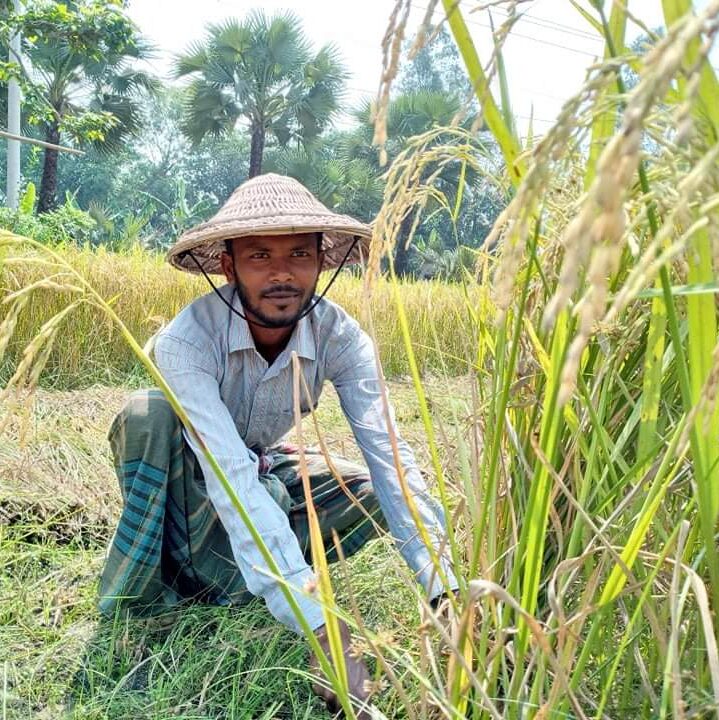
ATTRACTING THE YOUTH IN AGRICULTURE
We promote agriculture towards the young and build their interests and capacities towards sustainable and resilient farming and related enterprises
PROMOTING FAMILY FARMING IN ASIA AND BEYOND
The work of AFA on the UNDFF
The United Nations Decade for Family Farming (UNDFF) is a global initiative aimed at promoting and supporting the role of family farming in sustainable agriculture and rural development. Spanning from 2019 to 2028, this decade-long effort seeks to address key challenges faced by family farmers worldwide, such as poverty, hunger, and environmental degradation, while also recognizing the vital contributions of family farming to food security, rural livelihoods, and the preservation of cultural heritage. UNDFF encourages policies and actions that empower family farmers, enhance their access to resources, and promote sustainable farming practices, ultimately working towards a more equitable and sustainable future for both rural and urban communities.
In the context of UNDFF, AFA collaborates with various stakeholders, including governments, international organizations, and civil society, to advance the goals and objectives of the UNDFF in the Asia and the Pacific region.
LAND MATRIX
Many of the countries with the highest number of land deals recorded in the Land Matrix database are in Asia, including Cambodia, Indonesia, Philippines, Lao PDR, Vietnam, and India. Most large-scale land acquisitions (LSLAs) are concentrated in Southeast Asia, and cover agriculture, conservation, forestry, industry, renewable energy, and tourism. In Central Asia, LSLAs are mainly associated with the interaction of agricultural land, particularly pasture land, and mining projects.
Landlessness and lack of secure access to and tenure over land, water, and forest resources as a result of LSLAs present a significant threat to the livelihoods of small-scale farmers in Asia. A recently growing trend in the region is the conversion of pasture land to croplands or other types of land use, with the involvement of foreign investors as the government allocates agricultural land to “more efficient land use systems” – ostensibly to increase economic efficiency by attracting investments for agricultural lands which have been abandoned after the privatisation of state-managed cooperatives.
YOUTH IN AGRICULTURE
First Asia-Pacific Young Farmers Camp & Agrilympics
The First Asia-Pacific Young Farmers Camp and Agrilympics (YFCA), held from August 12-16, 2024, at the University of the Philippines Los Baños, gathered 130 young farmers, fishers, pastoralists, forest users, and indigenous youth from 20 countries. The event aimed to strengthen youth engagement in farmers’ organizations, foster collaboration, and promote agriculture as a viable career. Through dynamic workshops, skill-building sessions, and the Agrilympics—a friendly competition blending agricultural skills and teamwork—delegates enhanced their knowledge in digital agriculture, climate resilience, and cooperative development. The event also featured a Knowledge Market showcasing youth-led initiatives and a Solidarity Night celebrating cultural diversity.
YFCA emphasized the critical role of young farmers in addressing climate change, food security, and sustainable agriculture. Inspirational stories from young leaders, hands-on learning experiences, and expert-led discussions empowered delegates to bring back innovative solutions to their communities. The event fostered a strong network of young agricultural leaders committed to advancing agroecology, cooperative enterprises, and inclusive decision-making, ensuring a resilient future for farming in the Asia-Pacific region.
“There is a saying that, ‘The dream of one person may quickly die, but the dream of many will someday surely come true.’ It is our dream in AFA to make farmers’ groups in Asia cooperate tightly, help each other, and make their collective voices stronger. AFA can be the core of all Asian farmers fighting for survival and better quality of lives. We hope you share our dream, and together, we can share this dream to as many farmers’ groups in Asia as possible.”
Seo, Jung-Eui
AFA Chairperson, 2006-2008