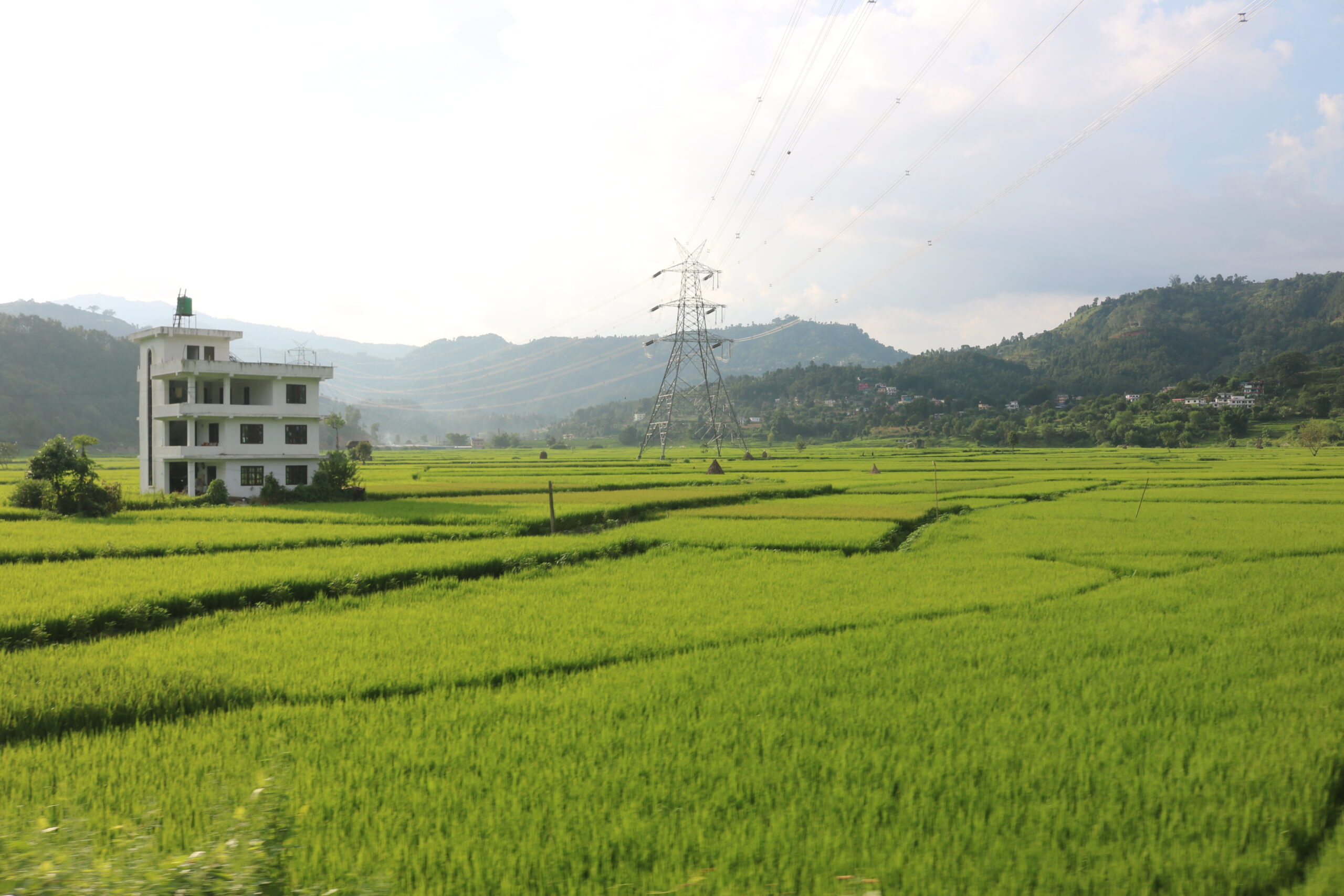
Nepal’s Energy Landscape Nepal’s persistent energy scarcity stems from its heavy reliance on traditional biomass and imported fossil fuels, which account for 68% and 28%, respectively, of the 14.464 million tons of oil in 2019. Out of this, only 3.2% came from renewable energy sources. Despite 92.2% of households in the country having access to […]
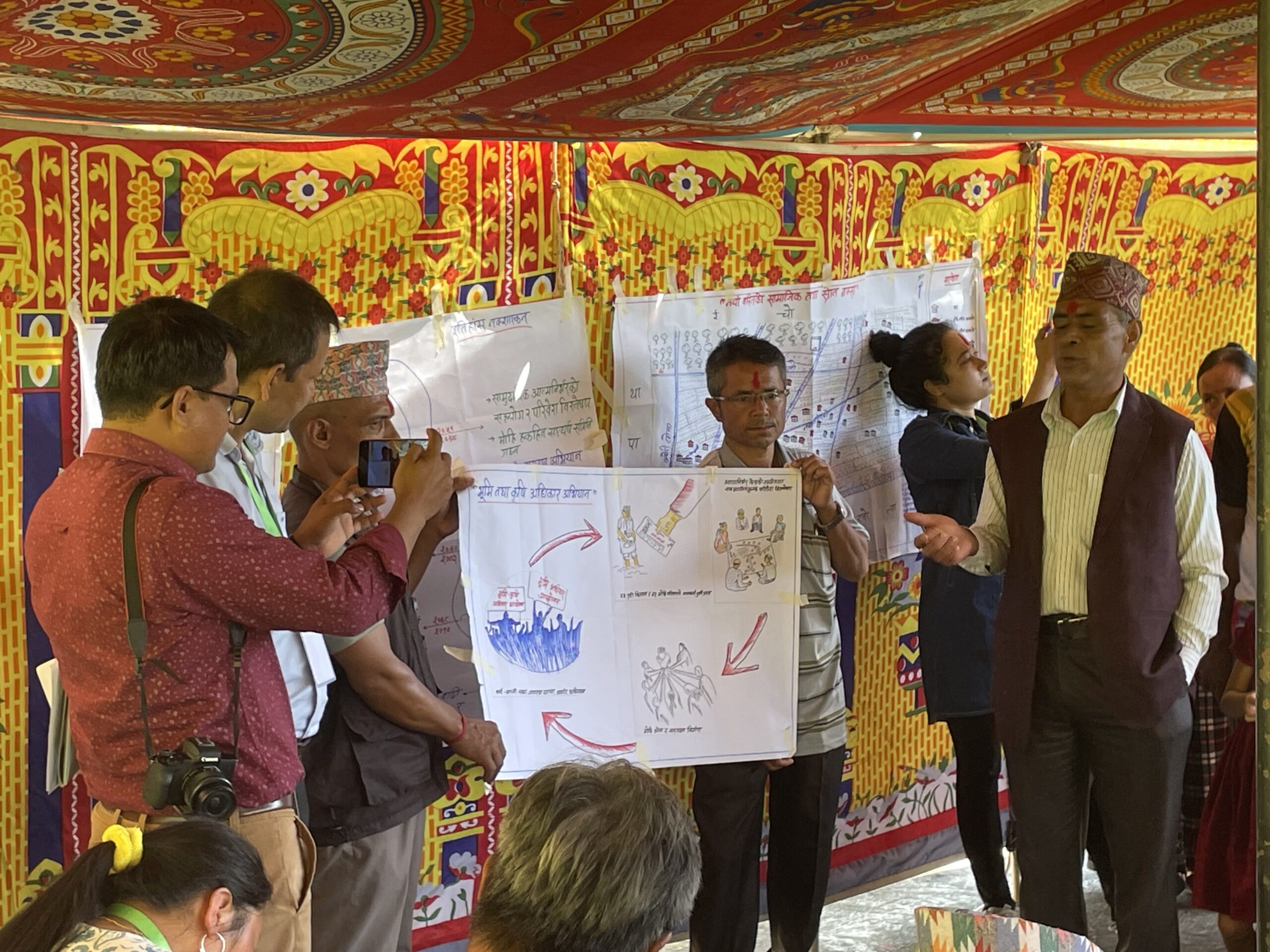
In Helambu Rural Municipality, Ward 6, Nayabasti Tole, Nepal, the Taruke Village Land Rights Forum unites a diverse community of 59 households comprising Magar, Dalit, Brahmin, and Chhetri families. Once landless, these residents now practice sustainable farming, growing staple crops like paddy and engaging in vegetable cultivation and livestock rearing. This shift highlights their commitment to diversified and sustainable agriculture.
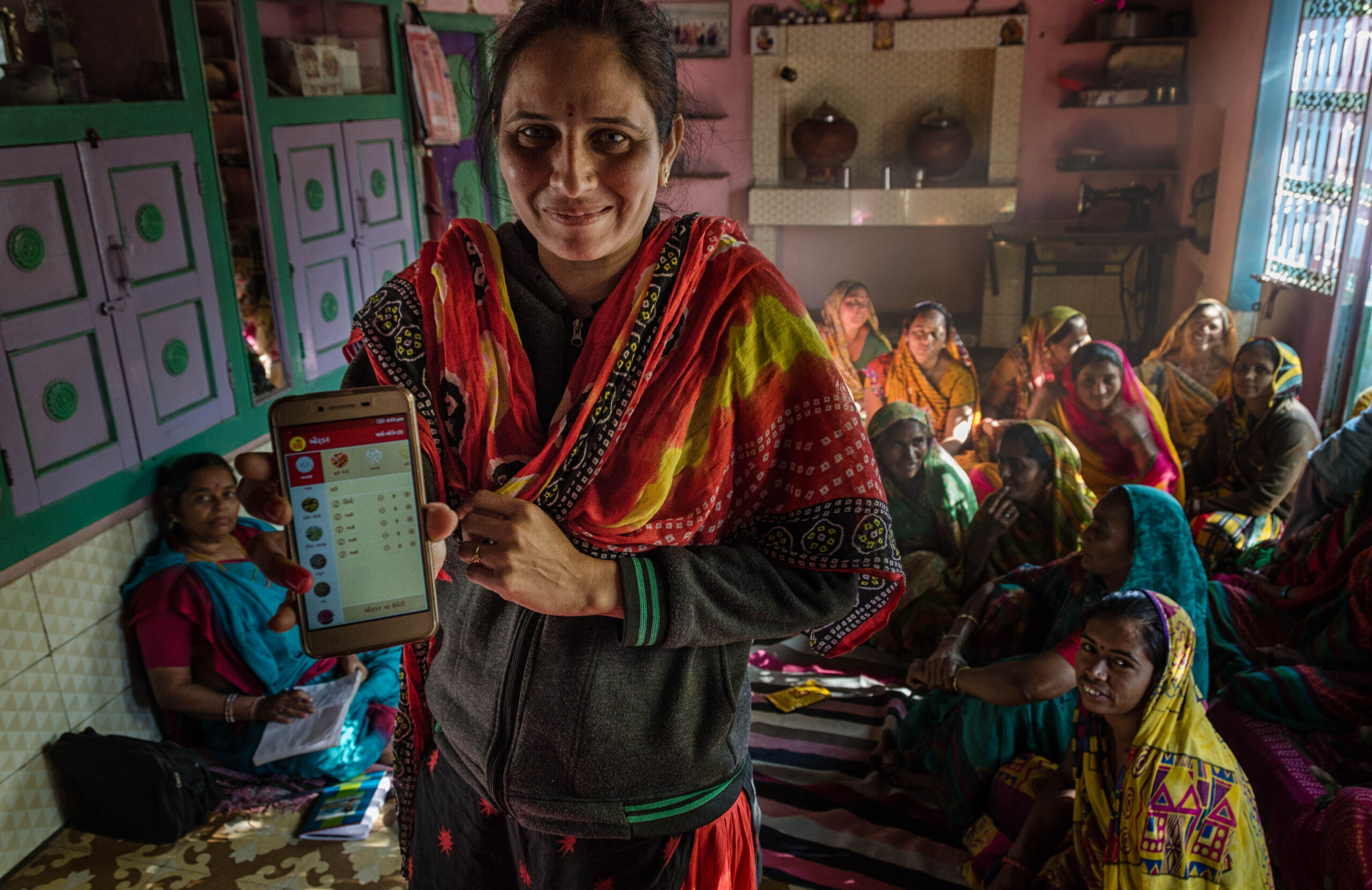
We are small-scale women, men, and young family farmers from 13 organizations in 9 countries, members and partners of the Asian Farmers Association for Sustainable Rural Development (AFA), who have participated in the survey, focus group discussions, and experience sharing on digital agriculture. Here we discussed the situation, challenges, and recommendations on digital agriculture. In […]
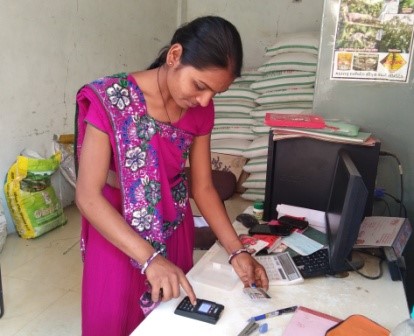
In 2022, AFA partnered with the Global Forum on Agricultural Research and Innovation (GFAR) and Agricultural Research Associations (APAARI) in the Collective Action on Inclusive Digital Transformation in Agriculture that aims at empowering small-scale producers to co-develop good practices and negotiate business models that work for them, and at making all other actors in the Digital Agriculture value […]
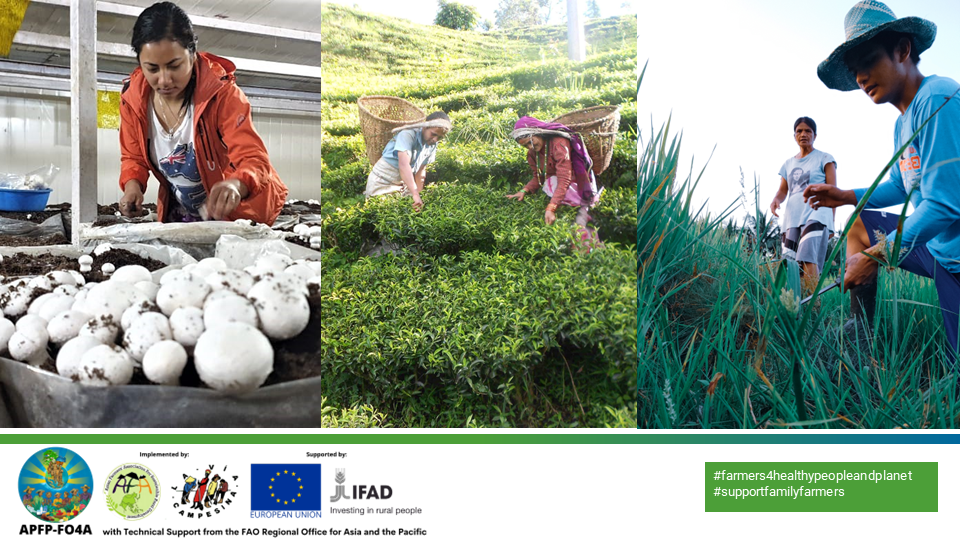
Background The recently held UN Food Systems Stocktaking Moment highlighted the enormous contribution of food systems transformation to solving many of the world’s sustainability challenges. Among them are biodiversity loss, ecosystem degradation, income inequality, malnutrition, and climate change, which are interrelated crises that are undermining progress made toward the 2030 Agenda and pose threats to […]
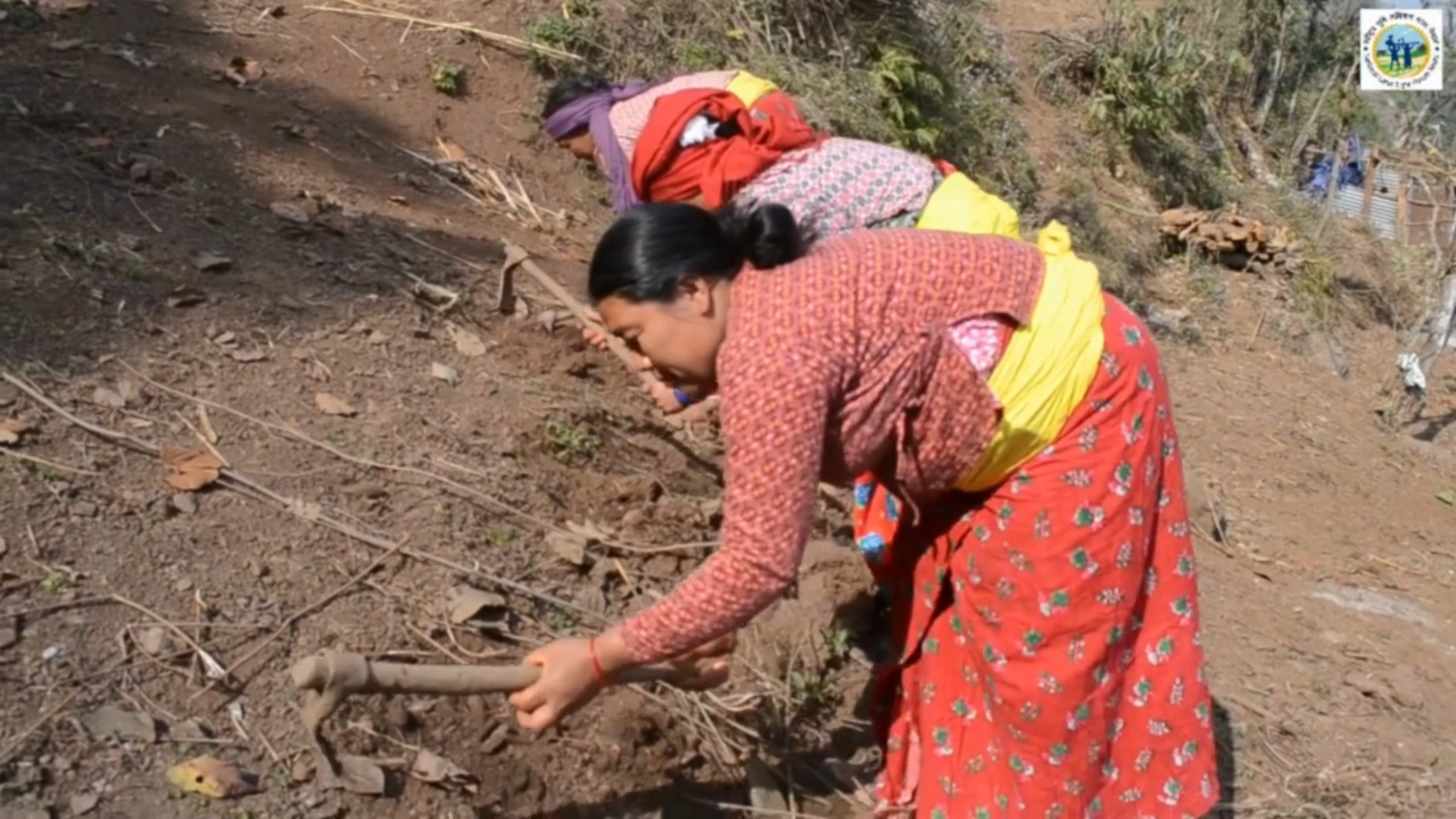
The Chepang community, a marginalized minority residing predominantly in Nepal’s Bagmati province, heavily relies on forest resources for their livelihoods, particularly in the high hills. Despite their landless status, their lives and vibrant culture are intricately linked to the bounty of nature. They express deep reverence for the land, even venerating it as a deity […]
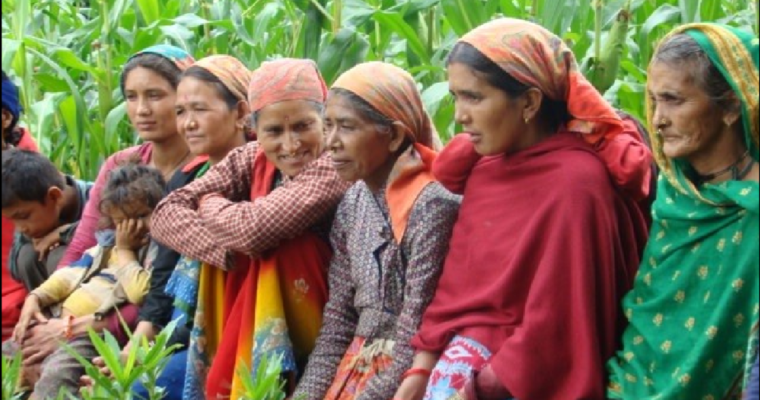
The National Land Rights Forum (NLRF) Nepal advocates for the land rights of landless and smallholder peasants. Recognizing that women bear most agricultural responsibilities while land ownership remains predominantly with men, NLRF integrated women’s land rights and Joint Land Ownership (JLO) into its campaigns. The initiative addresses key issues such as the lack of inheritance […]
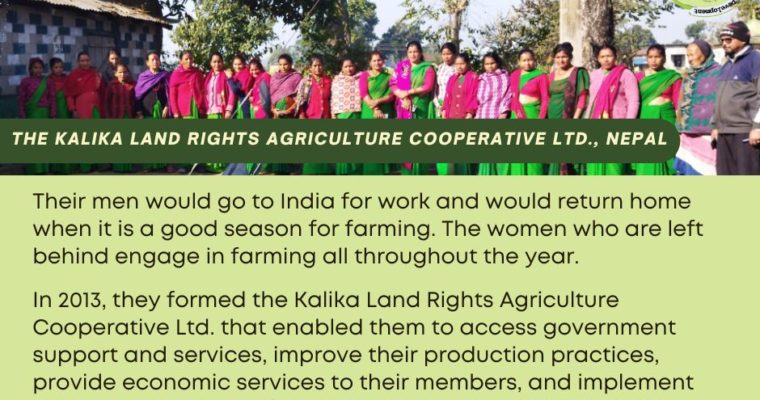
An organized cooperative can enable women to access government services and support. The women farmers from the indigenous groups and “so-called”, lower caste, in Kailali District in Nepal have been discriminated against for a long time. They were unable to access support because they live on government lands with no land certificates. They set up the Kalika […]