

Located in Anggamana Village, Central Province, Sri Lanka, the Angammana Sanasa Society has been serving farmers for over 39 years, evolving into a strong cooperative with 1,200 members, including 175 farmers—90 of whom are women and 55 are youth. Established in 1958 with just 41 members contributing shares worth LKR 100 (USD .34) each, the […]

Agricultural cooperatives play a crucial role in promoting equality and fostering the engagement of women and youth in the socio-economic arena. The initiative “Empowering women and youth through inclusive cooperatives and agricultural value chains toward peace and development in Mindanao” aims to enhance gender equality and ensure the active participation of young farmers in […]

The Melon Association Siem Reap Meanchey (MASC) addresses climate finance challenges through a three-year strategic business action plan that aims to improve the association’s capacity for collective sales and purchases, enhance market supply, and better utilize revolving funds inclusively year-round. Upon the implementation of this business plan, MASC has seen significant growth and success through […]
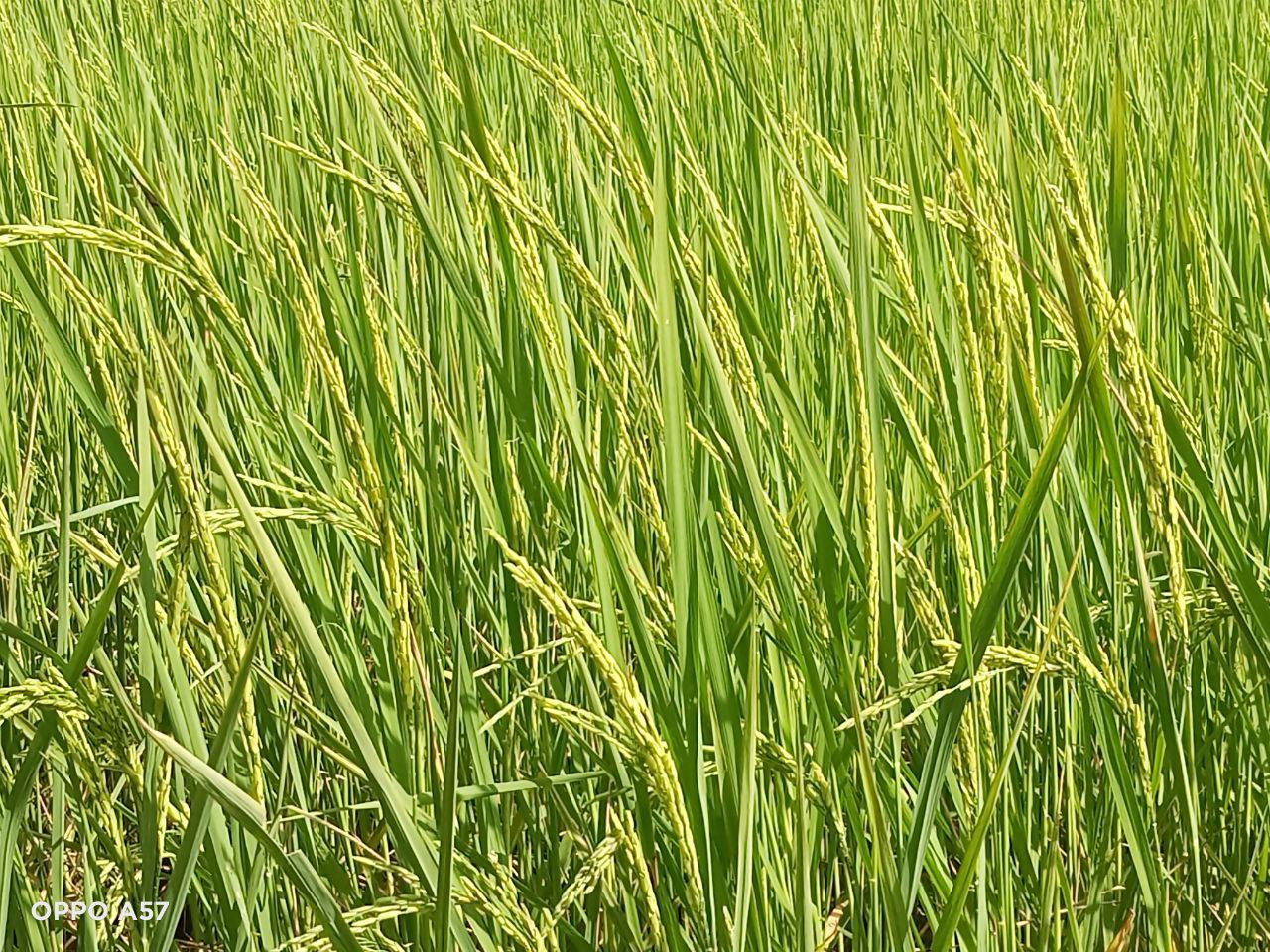
In Cambodia, the price of rice (paddy) often falls below KHR 1,000 (USD .24), discouraging farmers from producing rice for commercial purposes. To help its rice-producing members, the Farmer and Nature Net Association (FNN) reached out to AMRU Rice Company, which was interested in sourcing organic jasmine rice. FNN facilitated a contract farming partnership between […]

The Bumbhat Tavan Bogd Cooperative is a multipurpose cooperative located in the Selenge Province of Mongolia. As of 2024, the cooperative has 312 members who are involved in various livelihood activities. Two hundred forty-two (242) members of the cooperative are involved in milk collection and processing. Aside from dairy production, the cooperative’s members are engaged […]
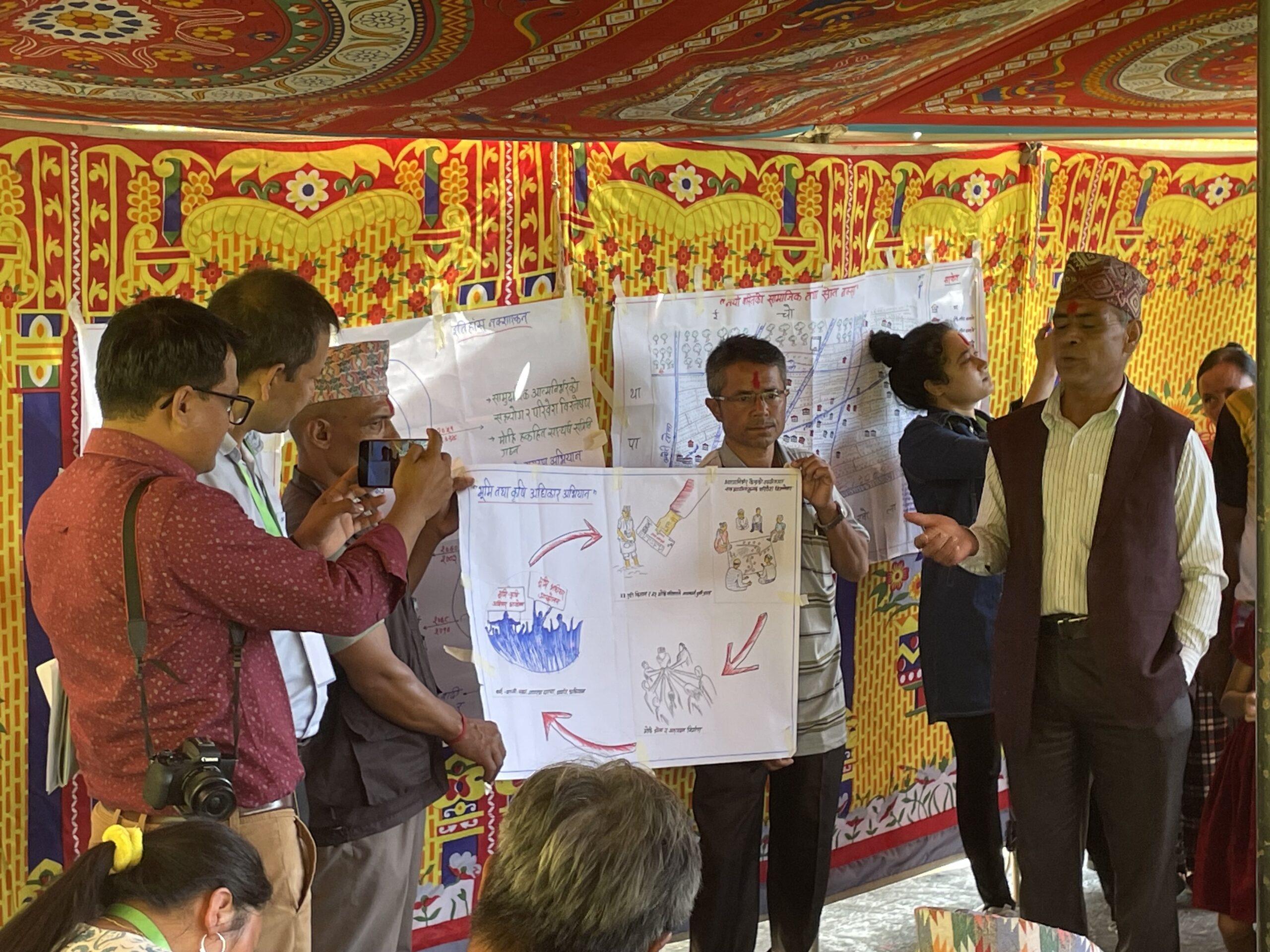
In Helambu Rural Municipality, Ward 6, Nayabasti Tole, Nepal, the Taruke Village Land Rights Forum unites a diverse community of 59 households comprising Magar, Dalit, Brahmin, and Chhetri families. Once landless, these residents now practice sustainable farming, growing staple crops like paddy and engaging in vegetable cultivation and livestock rearing. This shift highlights their commitment to diversified and sustainable agriculture.
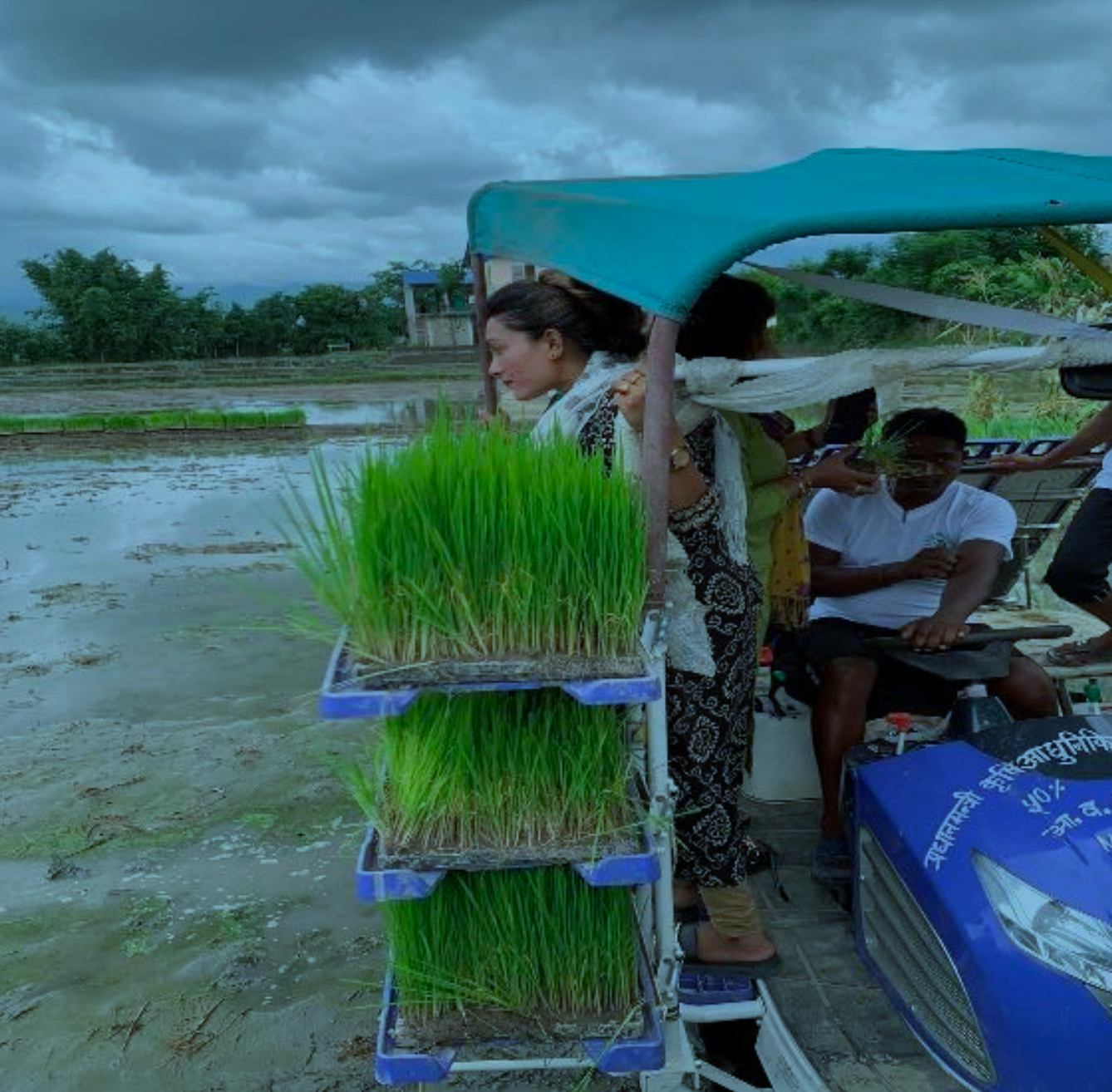
Rice is the most important crop in Nepal, accounting for about 50% of the country’s total agricultural area and production (MoALD, 2020). It is the primary staple food, ranking first among cereals in terms of area, production, and its impact on livelihoods. Chitwan, in central Nepal, is a particularly significant area for rice production. Under […]
For Fozia Bano, farming is not only about producing vegetables. It is also about working together with other farmers to improve livelihoods, protect the environment, and build a stronger farmers’ organization. Fozia is the president of the Five Star Farmers Cooperative Society in Sultanabad, Pakistan. Established in 2021–2022, the cooperative has grown to around 250 farmer members, who […]