he body of Chung Yong-pum, a 38-year-old farmer in Damyang of South Cholla Province, about 350 kilometres south of Seoul, was found at his local town hall Saturday morning. Police said they found an empty bottle of herbicide near Chung's body, along with what appears to be a suicide note. "I wish this country will become a society where hard working people are respected," the note reads, according to the officials who spoke on condition of anonymity. "The government must come up with realistic policies for the rice market and the farming industry to allow farmers to live comfortably." Police suspect Chung committed suicide on Friday morning, Farmers' Day in South Korea and the eve of the opening of this year's Asia-Pacific Economic Cooperation (APEC) forum in Pusan. Chung was a member of the Korean Advanced Farmers Federation, a group of farming activists, and had actively participated in anti-liberalization campaigns, according to his neighbours and the police. They added he even entered a local college last year so as to learn more about agricultural trade problems.
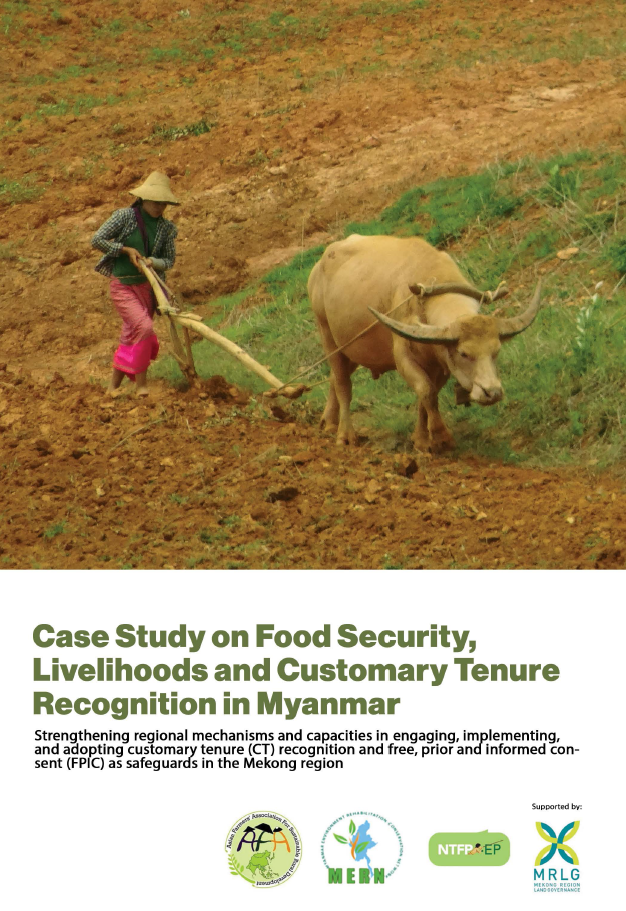
Over the past few years, there has been progress in tenure and safeguards at the ASEAN level, particularly in the Mekong region. Both customary tenure (CT) and free prior informed consent (FPIC) have been recognized as key indicators in an important guideline for responsible investment in food agriculture and forestry. However, despite this development, several […]
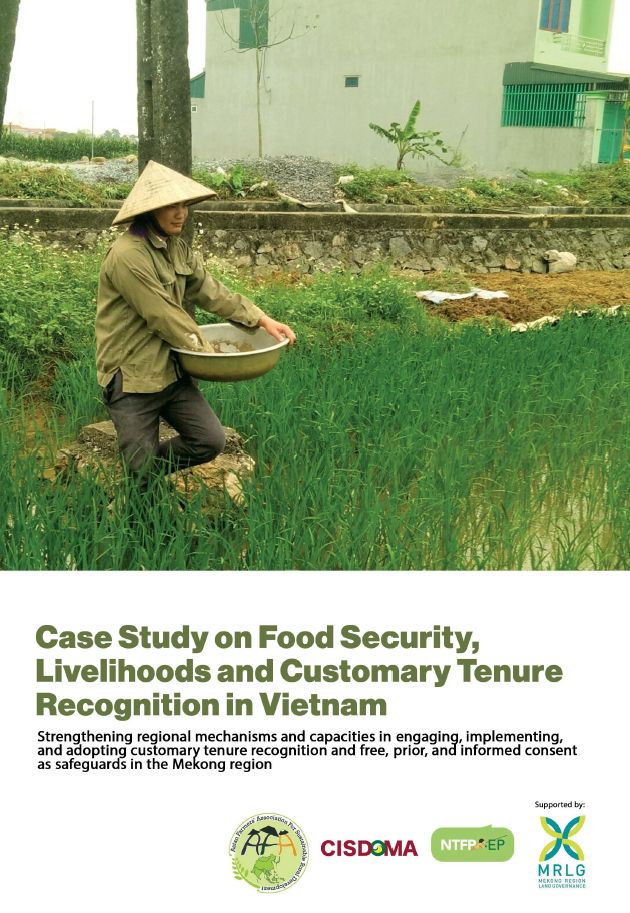
Over the past few years, there has been progress in tenure and safeguards at the ASEAN (regional) level, particularly in the Mekong sub-region. Customary tenure (CT) has been recognized as a key indicator in an important guideline for responsible investment in food agriculture and forestry. However, despite these developments, several challenges remain. For customary forest […]
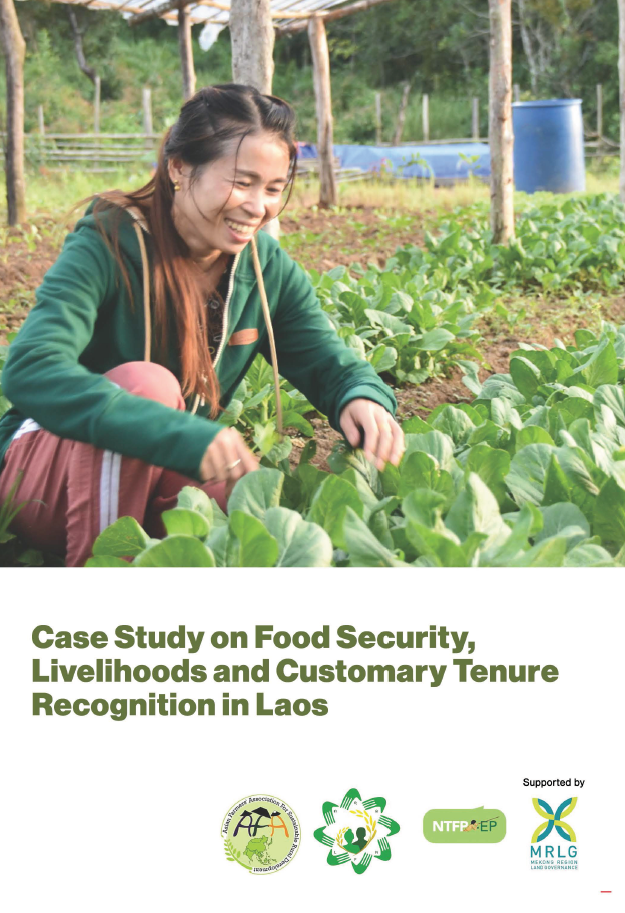
This report aims to assess the status of customary tenure recognition and implementation in livelihoods and food security in Laos. It is part of the “Strengthening Regional Mechanisms and Capacities in Engaging, Implementing, and Adopting Customary Tenure (CT) recognition and free, prior, and informed consent (FPIC) as safeguards in the Mekong region’ project led by […]
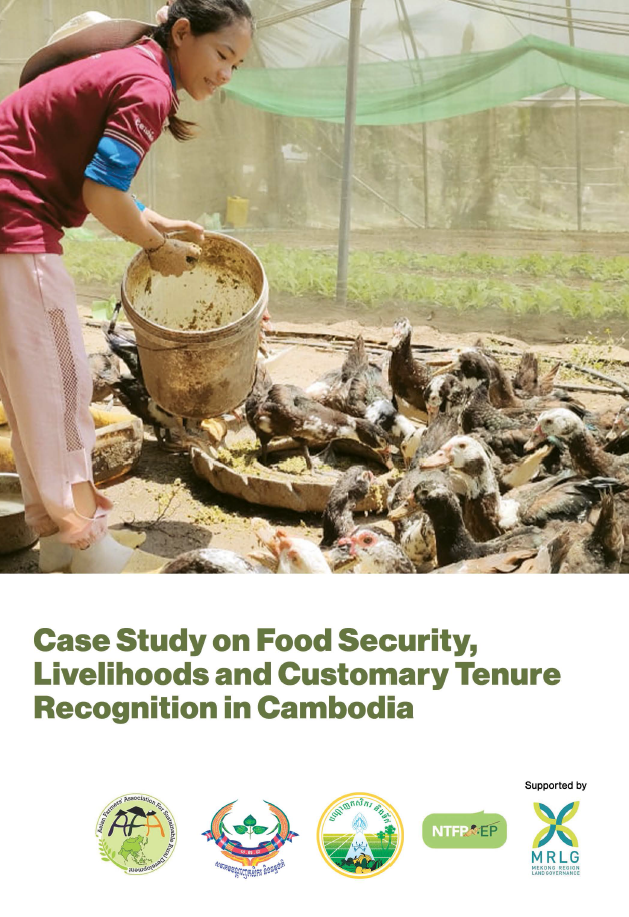
Agriculture has the potential to be an engine for economic growth and food security in Cambodia. However, productive assets such as land and other natural resources have been widely destroyed. Land issues have increased since the country adopted a free market economy in the early 1990s. Privatization, large-scale infrastructural development, tourism, foreign investment, and agro-industry […]
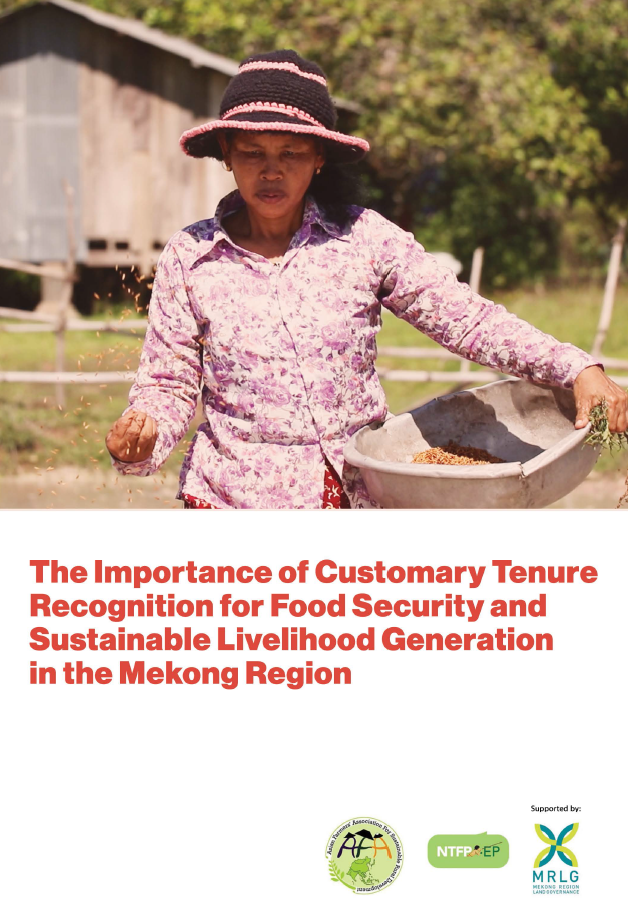
Southeast Asia’s extensive forest cover is a critical source of food and livelihood for approximately 14 million people, particularly for indigenous peoples and ethnic minorities. Forest areas where customary tenure predominantly shapes and define how communities manage land and other resources, including the way community members collect and produce food and earn income to meet […]