
The Self Employed Women’s Initiative (SEWA)’s visionary initiative, Kheti Zumbesh, is redefining agriculture by turning farming into an enterprise and farmers into entrepreneurs. Through this program, the SEWA has empowered women to go beyond traditional farming, equipping them with the tools, knowledge, and resources needed to take control of their livelihoods. Under SEWA’s pioneering Kheti […]
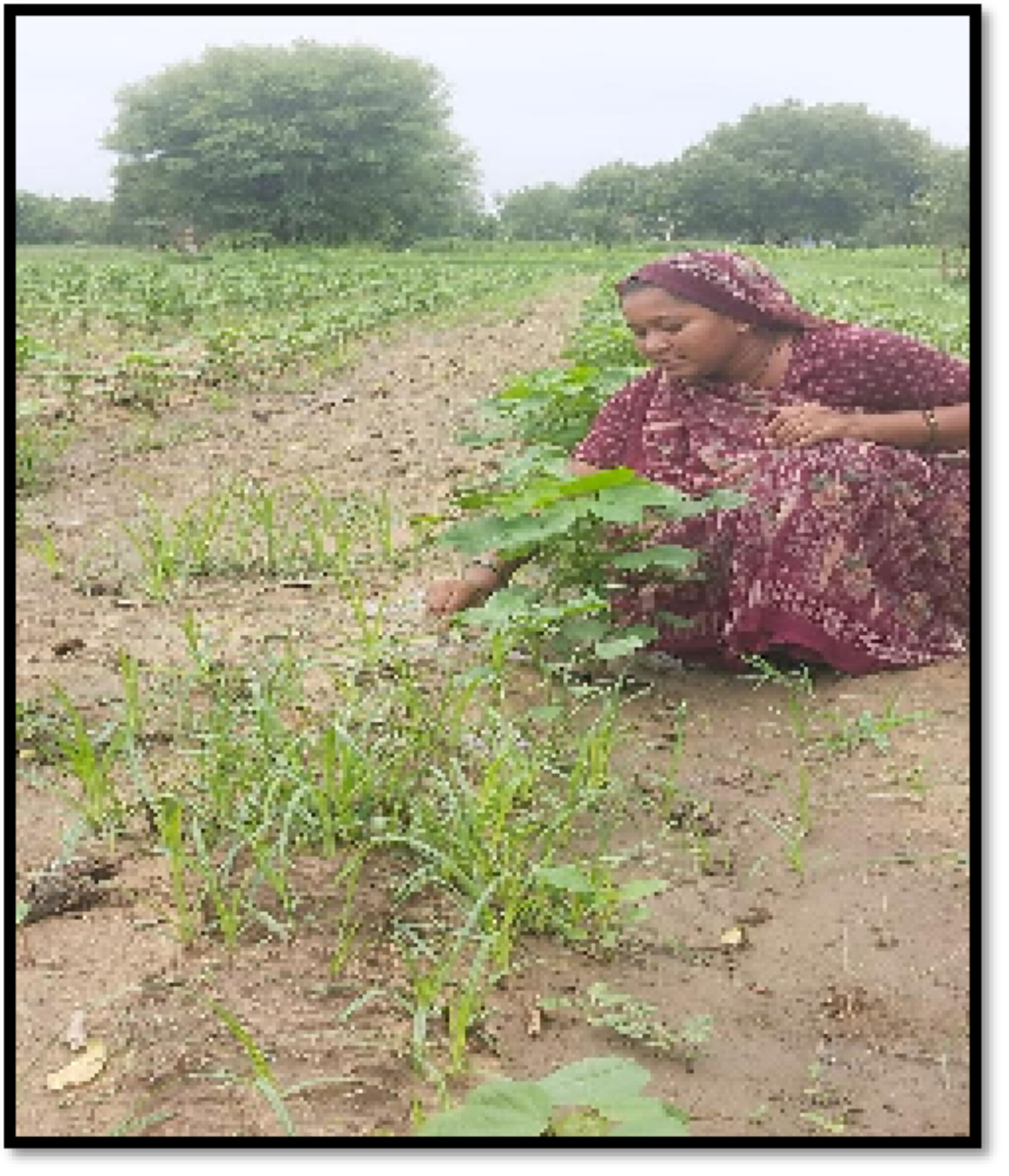
In Adaraj village, Gandhinagar, Gujarat, India, Meghaben Ajay Bhai has transformed her farming practices through the Self-Employed Women’s Association (SEWA) with support from the APFP-FO4A program. Meghaben faced high input costs with limited returns, being previously dependent on chemical fertilizers and pesticides. However, after joining SEWA five years ago, she received training in sustainable and organic farming, leading to significant cost savings and increased crop […]
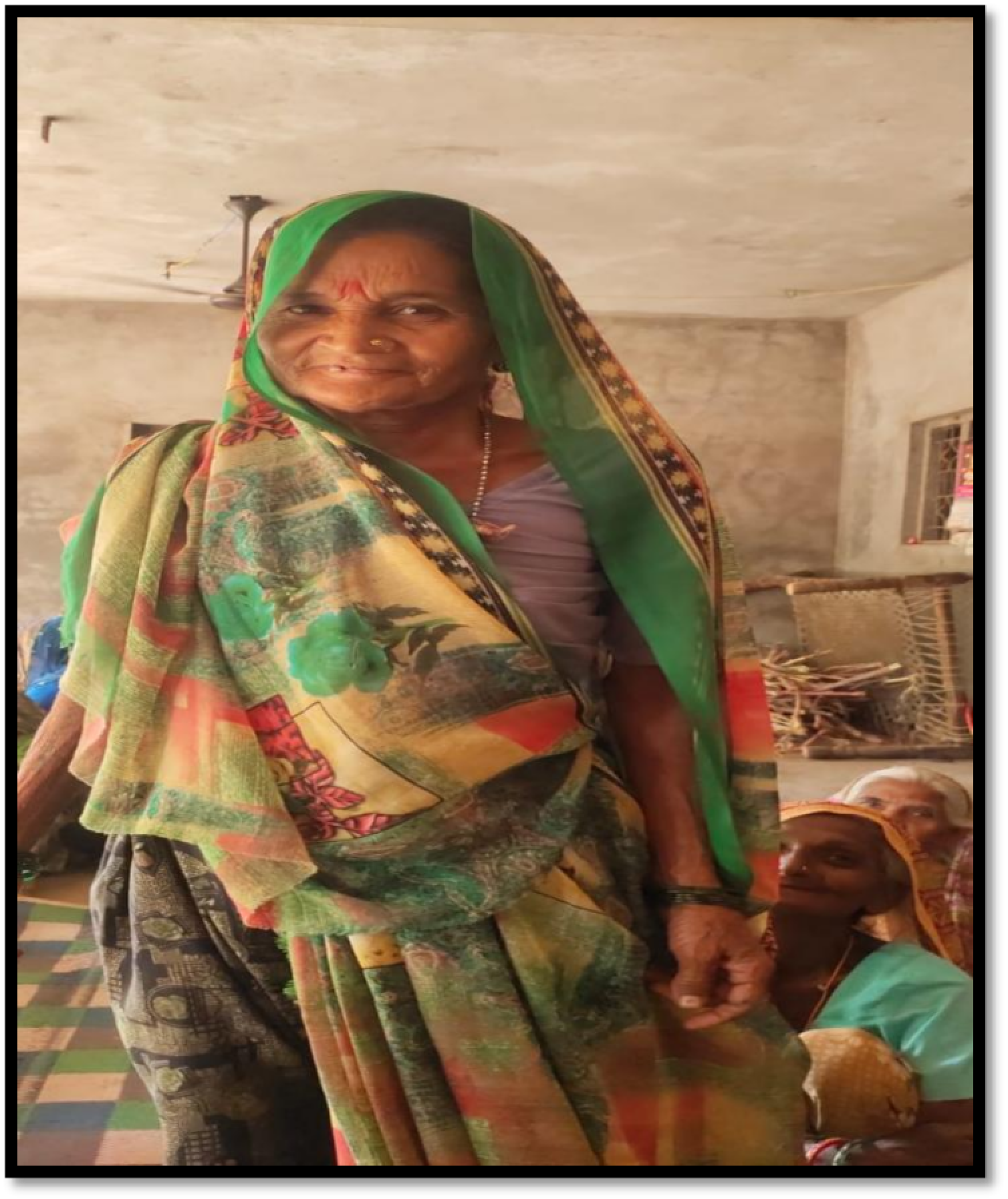
In Pato village, Dehgam district, Gujarat, India, the wheat farming cluster was established in 2024, bringing together 50 smallholder farmers with average landholdings of 1.5 to 2 bighas. With the support of the Self Employed Women’s Association (SEWA) and the APFP-FO4A program, the cluster was formed to help women farmers reduce costs, improve productivity, and adopt better farming techniques. Through training and collective […]

In the remote village of Sayra, located in the Kutch district of Gujarat, India, a group of women farmers has come together to overcome the challenges of small-scale farming. With the support of the Self-Employed Women’s Association (SEWA), these women have formed a collective, or “cluster,” to gain better access to resources, markets, and economic […]
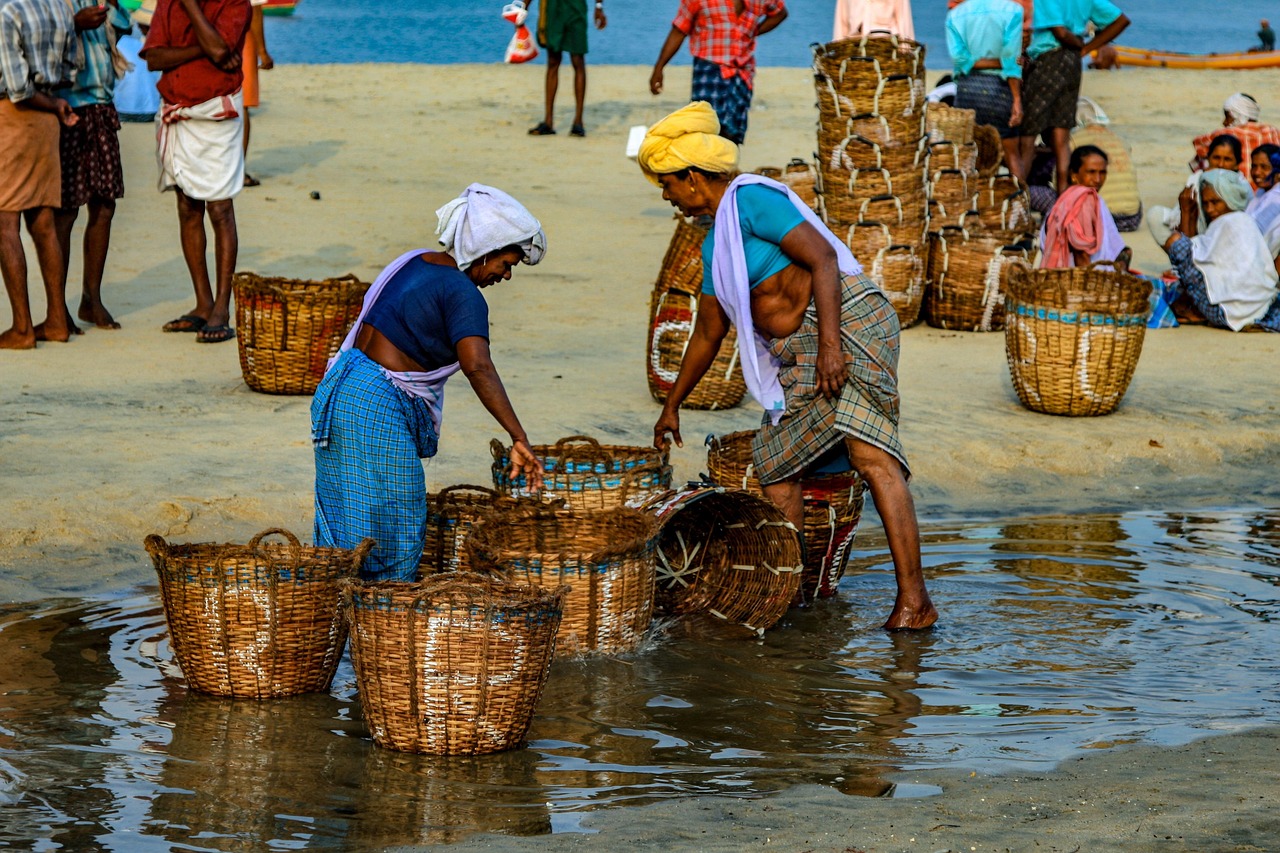
Mercy Antony was born in the fishing village of Adimalathura in Thiruvananthapuram district, Kerala, India. She grew up watching her mother, a fish vendor, shoulder the family’s financial burden. However, when her mother fell ill, 15-year-old Mercy had no choice but to step into the market. For the past 35 years, she has been working as a […]
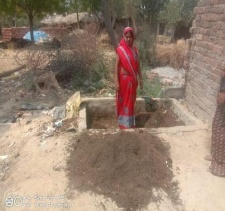
In Shahpur village, Uttar Pradesh, Urmila faced immense challenges in managing her family and livelihood. Married to Nankararam, with four children—three daughters and one son—she struggled to make ends meet with just one acre of land. The family’s financial situation was dire, and meeting even basic expenses was a constant struggle. Everything changed when Neelam, a Self Employed Women’s […]
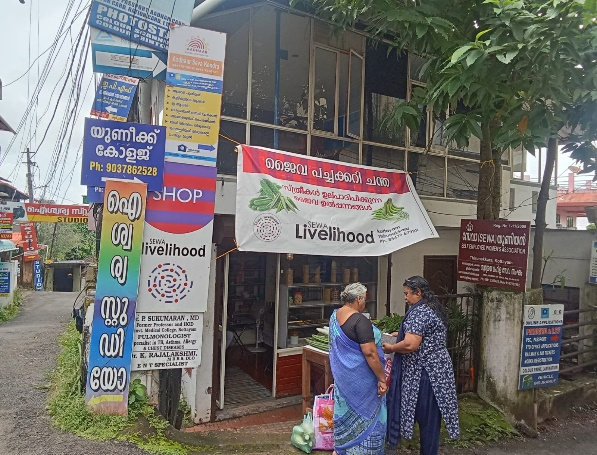
The Women Farmers Market was launched in April 2024 with a clear mission: to provide consumers with healthy, non-toxic, and preservative-free food products while empowering rural women producers through sustainable market access. The initiative, first introduced in Trivandrum, quickly gained popularity and has since expanded to Kottayam district. As concerns over lifestyle diseases such as diabetes, hypertension, and heart disease […]
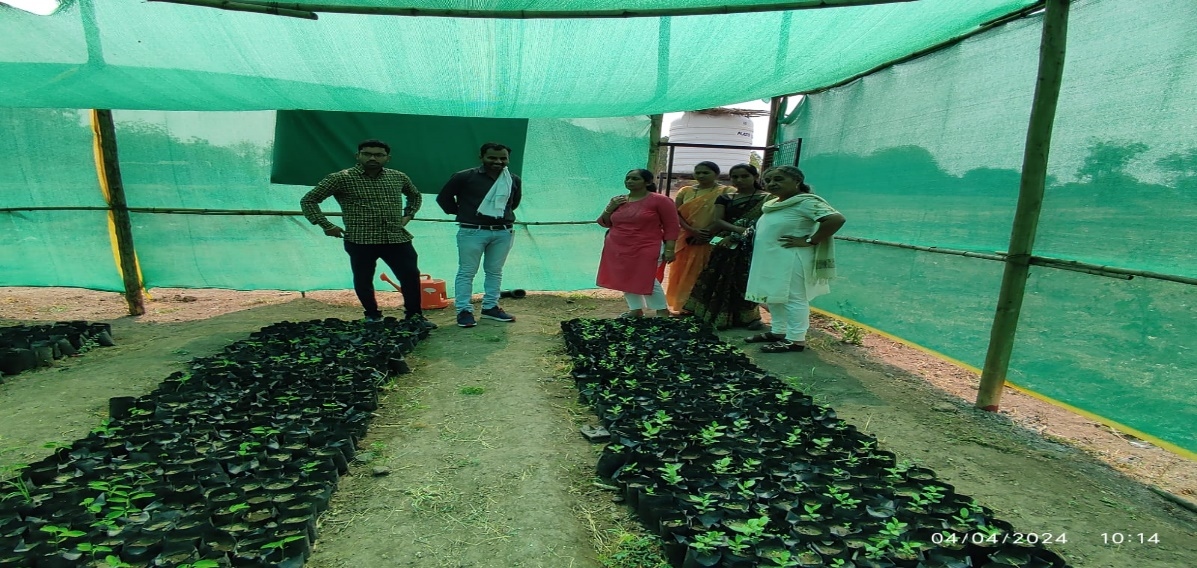
In Madnapur village, Mahur block, Nanded district, Sunita Gandhamwar is not just growing crops—she’s cultivating a better future for her family and community. Sunita is a dedicated farmer and member of the Self Employed Women’s Association (SEWA). Sunita traditionally grew cotton during the kharif season and gram in the rabi season on her four-acre farm. However, she […]