
First Thailand Young Farmers Camp and Agrilympics (YFCA) Report
Sustainable Small-Scale Fishery Learning Center, Ban Naithung, Tha Sala District, Nakhon Si Thammarat Province, Thailand
8–12 June 2025
Organized by: Federation of Thai Fisherfolk Associations (FTFA), Thai Sea Watch Association (TSWA), and the Southern Coastal Community Network


General Information
Theme: “Building Careers, Creating Identity – Youth for Sea Conservation”
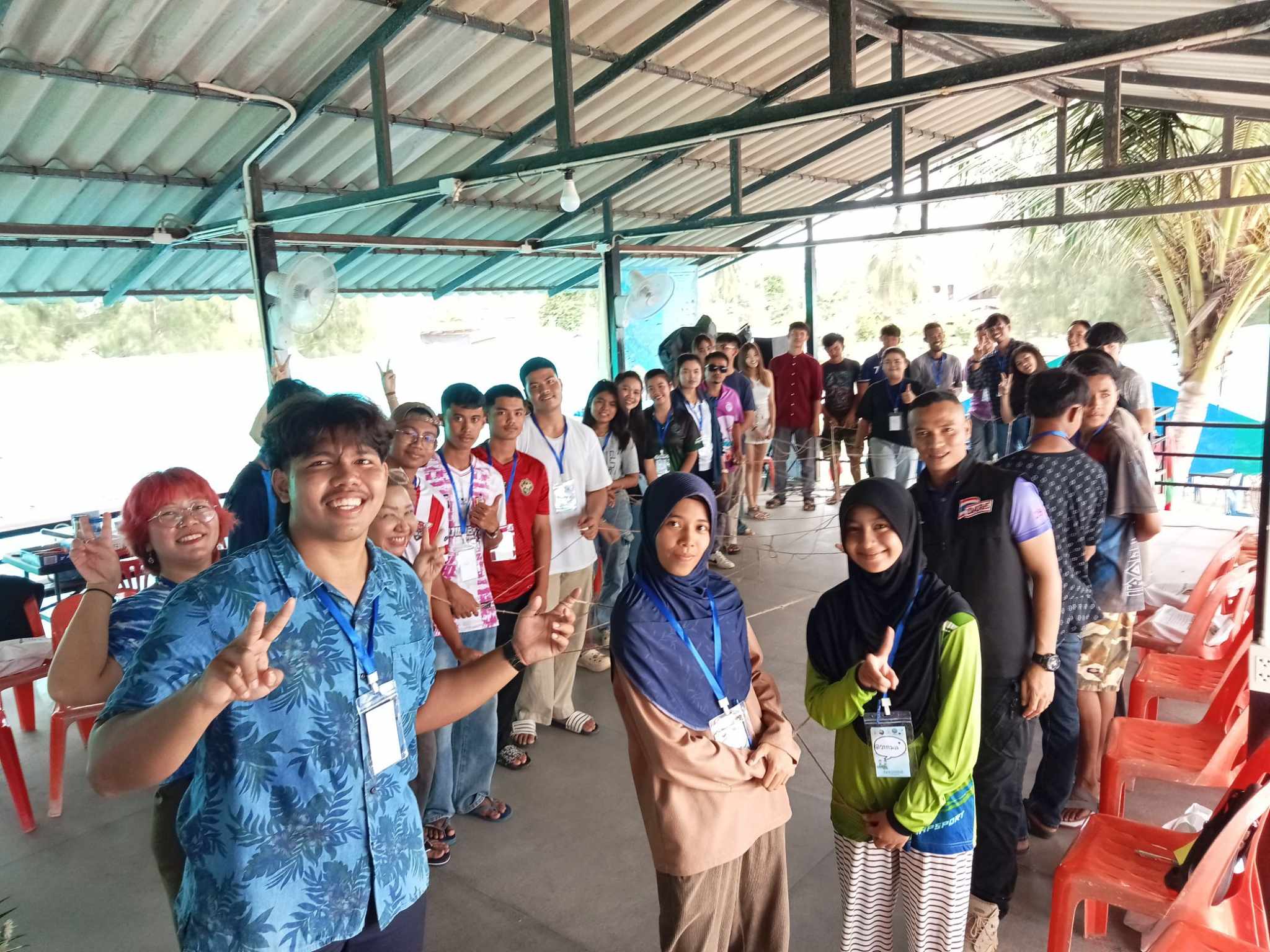
Participants: 47 youth fisherfolk (19 male, 28 female) from 5 provinces — Satun, Songkhla, Phatthalung, Nakhon Si Thammarat, and Trang — together with 10 facilitators and trainers
Getting to Know Each Other – Building Relationships
The first day of the camp began with ice-breaking and inspiration-building activities designed to help youth participants from different provinces get to know one another. Through activities such as “Who Am I in the Fishing Community?”, participants created their own life and identity maps, reflecting on their personal connections to small-scale fishing.
Later in the morning, a dialogue titled “Youth and Small-Scale Fisheries – The Hope of Coastal Communities” featured experienced community leaders and young fisherfolk role models. They shared personal stories illustrating that small-scale fishing is not an outdated occupation, but a dignified profession that plays a vital role in national food security.
In the afternoon, participants joined the “Wisdom & Change Learning Stations,” where they practiced hands-on activities such as:
• Preparing and repairing different types of fishing nets
• Reading wind and sea patterns
• Understanding changes in marine ecosystems
The evening featured a “Campfire Storytelling Night – Youth Fisherfolk Tales” where participants from each province shared stories from their hometowns, personal experiences, and pride in their local fishing heritage. The activity fostered warmth, connection, and a strong sense of belonging among participants.
Learning and Sharing Local Knowledge
The second day started with a field-based activity titled “Local Aquatic Species Breeding Plots,” where youth learned how to raise fish fry and create community crab banks using recycled materials such as old plastic barrels and nets. This activity aimed to promote local species conservation and resource recovery.
In the afternoon, the “Crab Bank” session allowed participants to practice releasing egg-carrying female crabs into nursery ponds and recording data for monitoring purposes. This experiential learning helped youth understand principles of conservation and community-based resource management.
The day concluded with a group reflection session, where participants summarized key lessons from the hands-on activities and discussed the importance of conserving marine species for sustainable coastal livelihoods.
Practical Learning on Sustainable Fisheries
The third day featured an activity titled “Mapping Fishing Grounds and Listening to the Sea,” led by local senior fishers who shared their indigenous knowledge — including how to determine fishing spots by observing wind directions, water levels, and the sound of waves.
In the afternoon, youth participated in “Seafood Processing and Value Addition” workshops, learning how to make products such as sweet dried fish and dried squid. The session also covered packaging design, quality control, and marketing — encouraging youth to develop alternative income-generating activities in their communities.
Understanding Policy – Empowering Youth Advocacy
The morning of the fourth day featured a “Fisheries Law Learning Game”, designed to help participants understand key provisions of the new Fisheries Act. Through role-play and group discussions, they explored scenarios on fishing rights, policy enforcement, and community resource management, fostering their ability to interpret and advocate for their rights under the law.
In the afternoon, the “Young Fishers Hackathon” invited provincial teams to co-design community projects applicable in their home areas — such as Crab Bank Initiatives, Marine Waste Collection Campaigns, and Mangrove Rehabilitation Projects. The projects were evaluated by a panel of local fisherfolk representatives.
Awards:
• First Prize: Two teams received project seed funds of 7,500 THB each.
• Runner-up: Two teams received 5,000 THB each in project support funds.
Reflection – Networking – Inspiration
The final day centered on a Reflection and Sharing Session, where participants expressed what they had learned and how they planned to apply it in their communities. Many committed to organizing volunteer activities, restoring local fishing grounds, and forming youth groups in their respective villages.
A meeting was then held to establish the “Youth Small-Scale Fishers Network of Thailand (YFCA Network)”, with two youth representatives selected from each province to coordinate future activities and strengthen regional collaboration.
The closing ceremony was heartfelt and encouraging. Senior fisherfolk representatives delivered messages of wisdom and inspiration, presented souvenirs to participants, and wished everyone a safe journey home.
Overall Summary
The YFCA Thailand Camp 2025 served as a powerful learning platform that blended inspiration, hands-on practice, and policy awareness. It provided youth with opportunities to develop their skills, confidence, and leadership — while laying the foundation for a nationwide Youth Small-Scale Fishers Network. This network is expected to become a driving force in marine conservation and in sustaining traditional fishing livelihoods for generations to come.
Comments are closed