
Gujarat, India – In the Indian state of Gujarat, potato cultivation plays a major role in the agricultural economy. The state’s favorable climate and soil conditions make potatoes an important cash crop for many farmers. However, despite this potential, farmers have been facing several persistent challenges, such as low profits, limited knowledge of modern farming techniques, and difficulty accessing quality inputs.
A market study conducted by SEWA highlighted the concerns raised by many potato farmers. Key issues include:
- Low profitability: High input costs and volatile market prices often leave farmers with minimal earnings.
- Lack of technical knowledge: Many farmers are unfamiliar with modern, efficient, and cost-effective farming practices, leading to lower productivity.
- High-interest loans: To purchase seeds and inputs, farmers frequently rely on expensive loans, which become burdensome during years of poor harvests.
SEWA’s Cluster Farming initiative
The Self-Employed Women’s Association (SEWA) has been supporting small and marginal women farmers across Gujarat, promoting sustainable agricultural practices and collective action. One of its key initiatives is cluster farming, where small-scale farmers work together to increase their bargaining power, share resources, and gain better access to markets and information.
SEWA’s cluster farming program aims to give farmers more power and help them improve their livelihood. Through the cluster farming program, SEWA provides training on modern farming practices, financial literacy, and market linkages. Farmers are also supported in accessing affordable government schemes, quality seeds, organic fertilizers, and pesticides.
Jaya’s transformation through cluster farming
Jaya had been growing potatoes for four years, but she consistently incurred losses. She struggled because she lacked a business-oriented approach, had limited knowledge of effective farming techniques, and did not fully understand input management or market dynamics.
After joining SEWA’s cluster farming program, which comprises 100 small and marginal women farmers, Jaya received extensive training and hands-on guidance. She learned how to select high-quality seeds, care for her land, apply organic pesticides correctly, and follow proper timing for key farming activities.
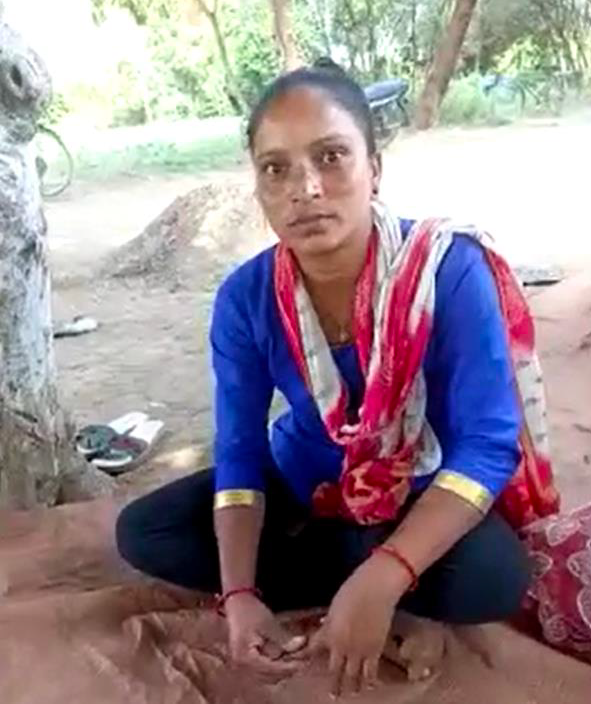
This support significantly transformed her farming operations. Previously, she relied on high-interest loans to buy seeds, which pushed her into debt whenever yields fell short. Being part of the cluster taught her how to make better decisions about pricing, costs, and market timing.
In 2023, SEWA received funding from the APFP-FO4A program to establish a potato chips (potato wafer) processing center, along with facilities for grading and marketing raw potatoes. The Asia-Pacific Farmers’ Program (APFP)–Farmers Organizations for Asia (FO4A) is implemented by the Asian Farmers’ Association for Sustainable Rural Development (AFA) and La Via Campesina (LVC), with funding from the European Union (EU) and the International Fund for Agricultural Development (IFAD). The program aims to strengthen the capacities of farmers’ organizations to provide economic services, advocate for enabling policies, and promote sustainable livelihoods for small-scale family farmers across Asia. The program is implemented in India by SEWA, the Institute for Motivating Self Employment (IMSE), and the North East India Committee on Relief and Development (NEICORD).


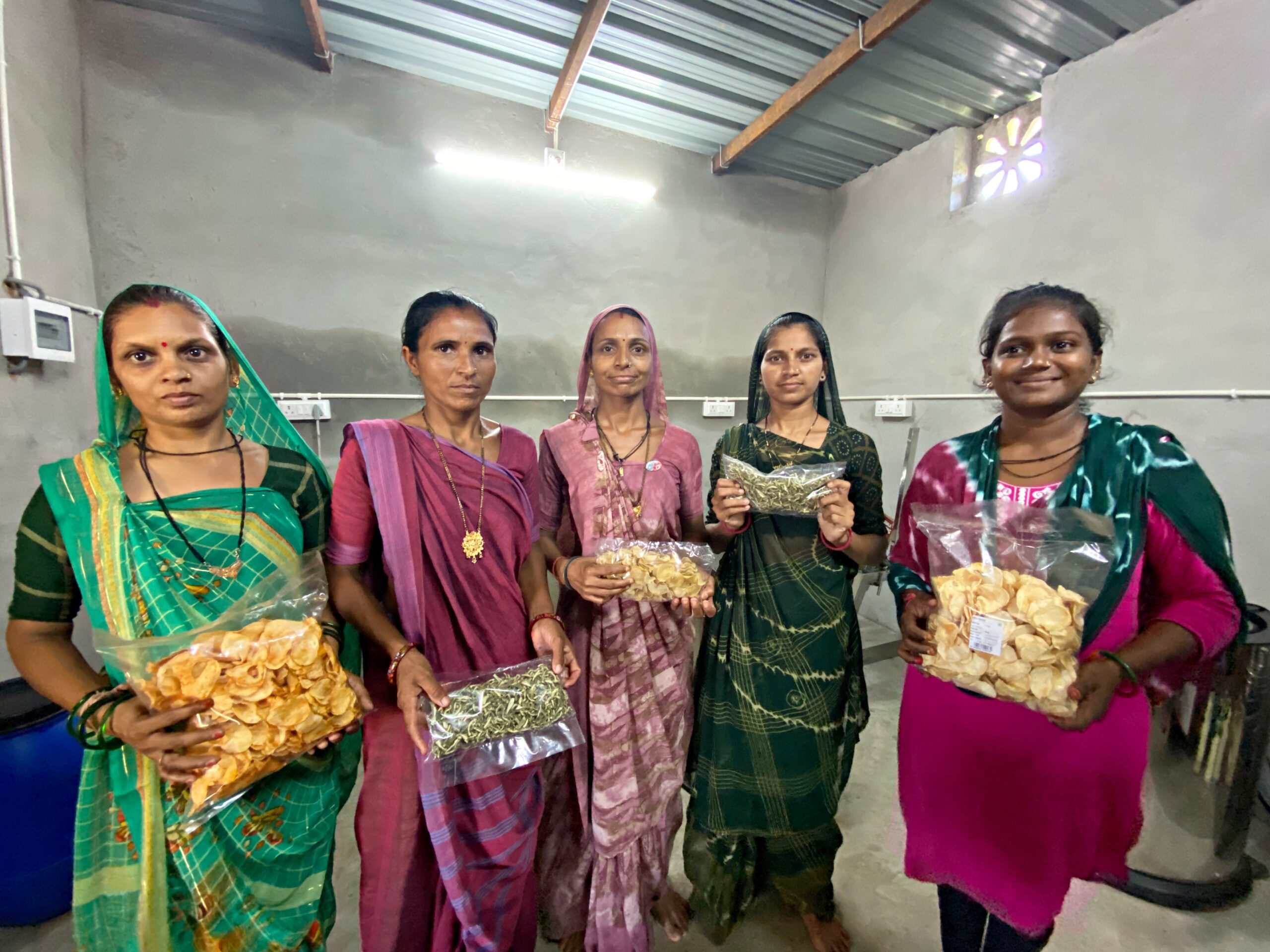
With this support, SEWA built a solar-powered 10 MT cold storage unit and installed potato chips–making machinery for use by the cluster. The cold storage facility, managed by the members themselves, enables farmers to store their produce and sell it when market prices are more favorable. Meanwhile, the chip-making machinery allows the cluster to produce value-added products, helping retain more income within the community and strengthening their overall livelihood.


The introduction of solar-powered cold storage gave Jaya even more control. Instead of selling to middlemen at INR 7 per kg (USD 0.079), she was able to store her potatoes and sell them later at INR 14 per kg (USD 0.16) when market prices rose due to lower supply. As a result, her income increased substantially, with gross profits rising from 50% to 75%.
Jaya also benefits from collective resource access. The cluster’s size allows members to purchase high-quality seeds at lower prices from government centers, reducing input costs. Shared transport and activities help save time and money, which Jaya reinvests into her farm.
Inspired by her success with potatoes, Jaya expanded into cultivating vegetables such as okra (bhindi). With increased earnings, she also expanded her farmland from 3 bigha (about 1 acre) to 5 bigha (about 2.5 acres). This marks a significant improvement in both her productivity and livelihood.
A path toward better lives for women farmers
SEWA’s commodity cluster farming program has brought meaningful change to the lives of potato farmers in Gujarat. By providing training, access to quality inputs, value-added facilities, and improved market connections, SEWA empowers farmers to adopt modern and sustainable farming methods.
Farmers like Jaya are now better equipped to increase their productivity, reduce input costs through organic solutions, strengthen their bargaining position, and improve market access. These gains have helped them increase incomes, diversify crops, expand their landholdings, and build a more stable future for their families.
Comments are closed