
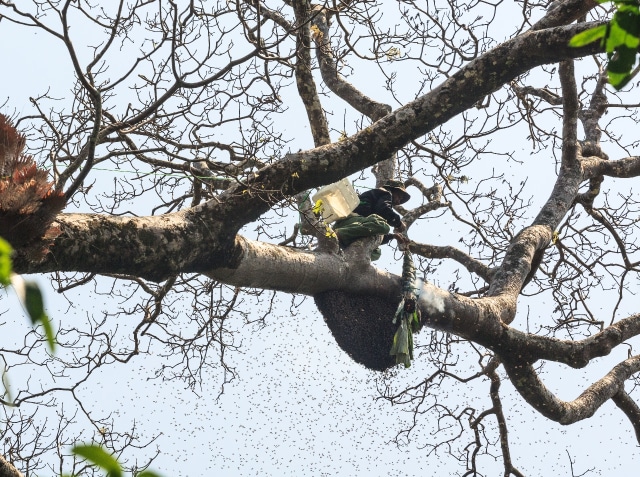
Pandeglang, Indonesia – The Hanjuang Cooperative has been at the forefront of promoting collective marketing for Apis dorsata forest honey, better known as the giant honey bee, among communities in Pandeglang. This initiative seeks to improve the economic situation of farmers living in and around Ujung Kulon National Park, in Pandeglang Regency.
“The majority of farmers here rely on rain-fed agriculture. During the dry season, many of them are left without income because the fields cannot be cultivated. At the same time, forest honey is in season once a year, during the dry months when forest plants are in bloom,” explained Eman Sulaiman, Chairman of the Hanjuang Cooperative.
The collective effort was first pioneered in 2013 and later formalized with the establishment of the Hanjuang Cooperative in 2015. Since then, the cooperative’s forest honey production has steadily grown and reached markets across Indonesia, even attracting private companies such as Oriflame.
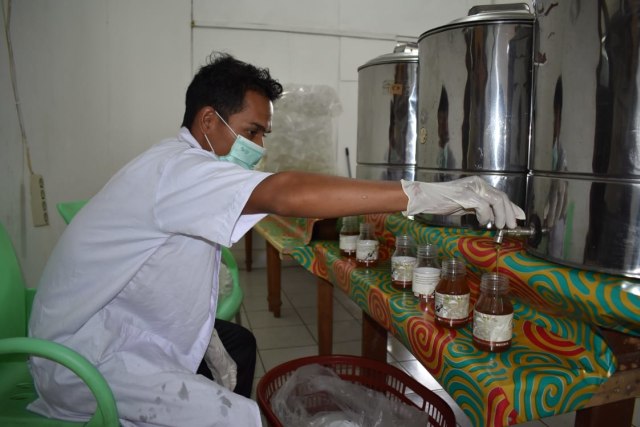
In 2016, with support from the Aliansi Petani Indonesia (API), the cooperative was able to acquire dehumidifier technology to meet national SNI standards by reducing honey’s water content. This innovation allowed the cooperative to strengthen its production and ensure better product quality.
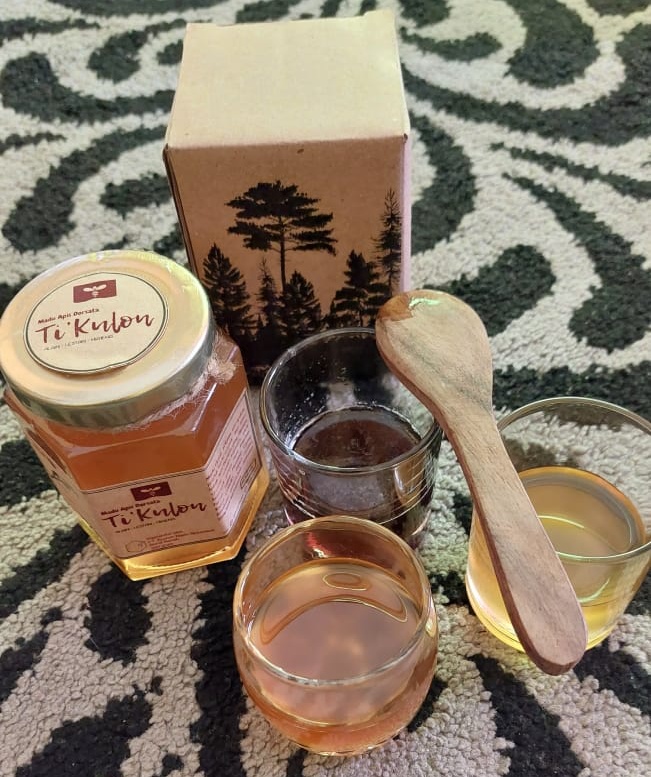
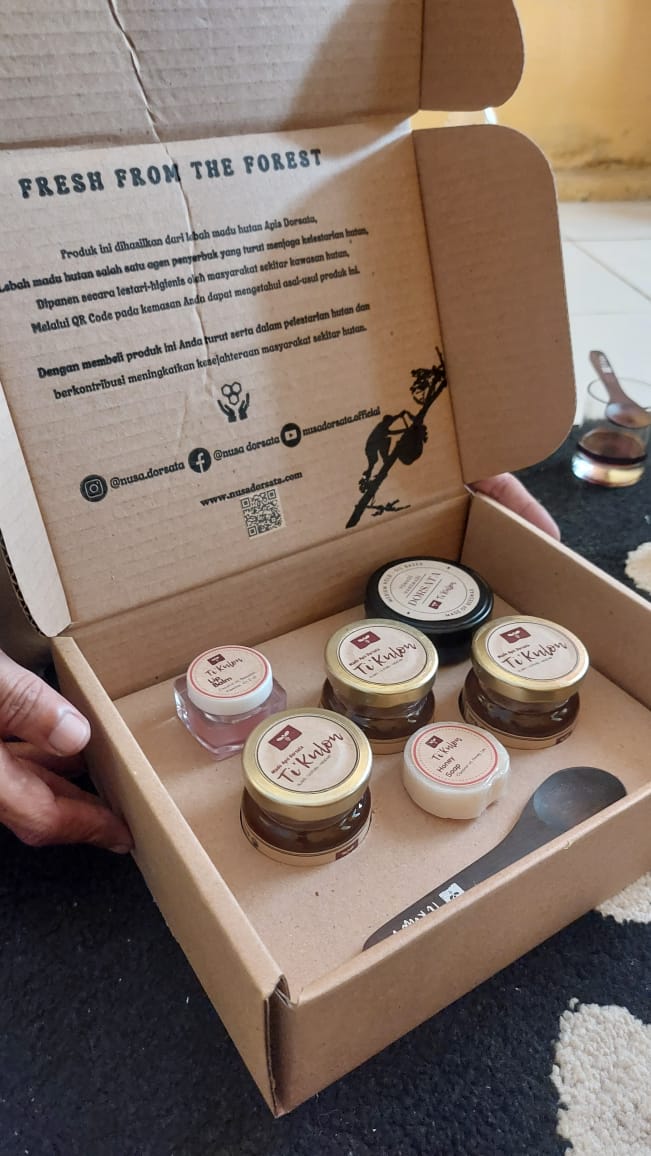
When the COVID-19 pandemic struck, marketing had to shift to digital platforms and social media, enabling the cooperative to continue reaching consumers despite restrictions.
Collaboration has also been key to the cooperative’s growth. With support from API, Hanjuang worked closely with the Ujung Kulon National Park Office to apply sustainable harvesting techniques and improve post-harvest practices. Instead of squeezing honey by hand, honeycombs are now sliced on clean cloths, making the process more hygienic.
“API has also supported us in strengthening organizational management, including cooperative governance, financial recording, business development planning, and market channeling. We have also collaborated with WWF to map honeycomb trees,” added Eman.
Looking ahead, the cooperative and API plan to pursue organic certification in the Pandeglang area to further expand business opportunities. While the certification process is costly, they are taking it step by step, beginning with database development to trace the origins of their products.
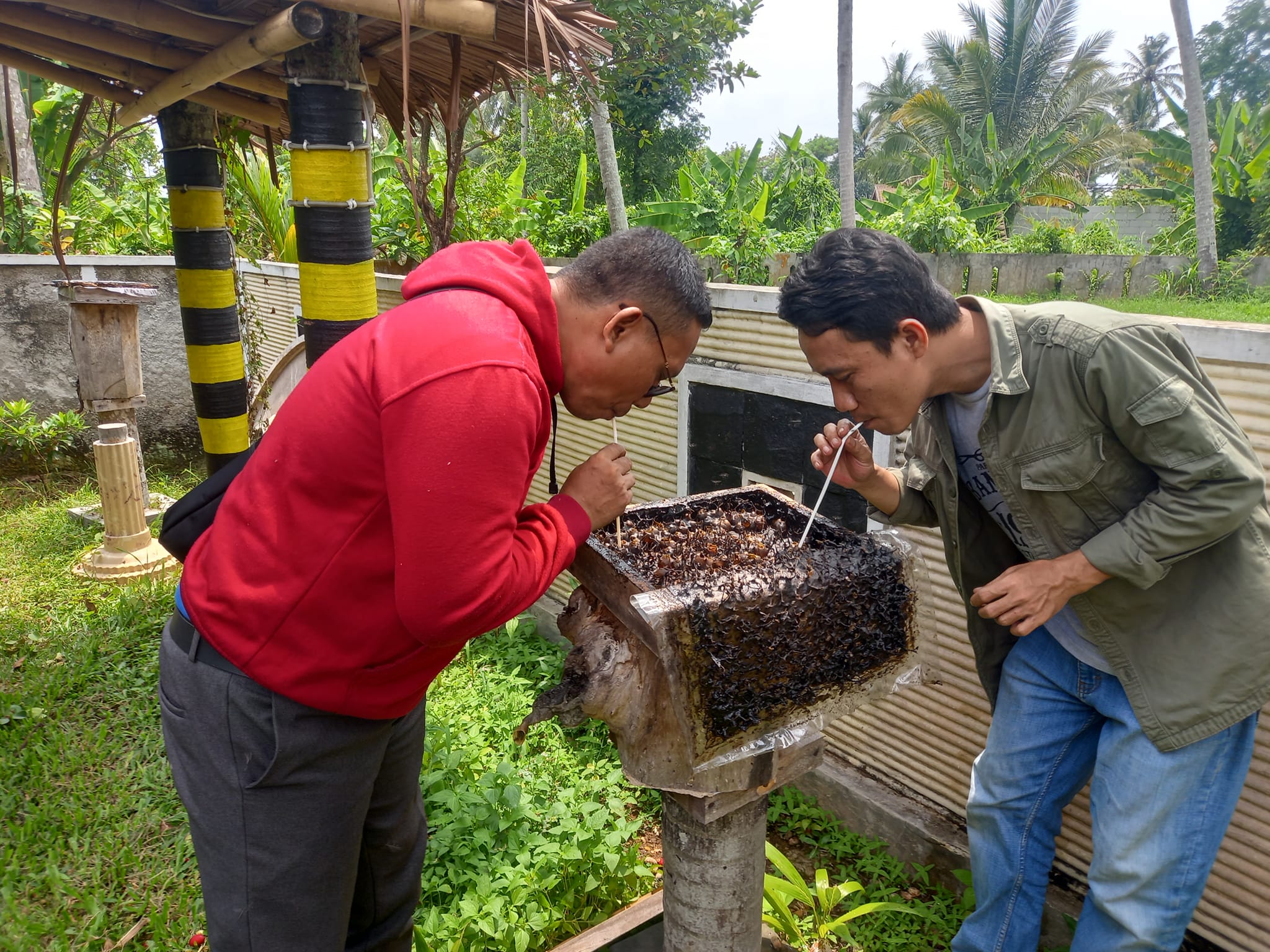
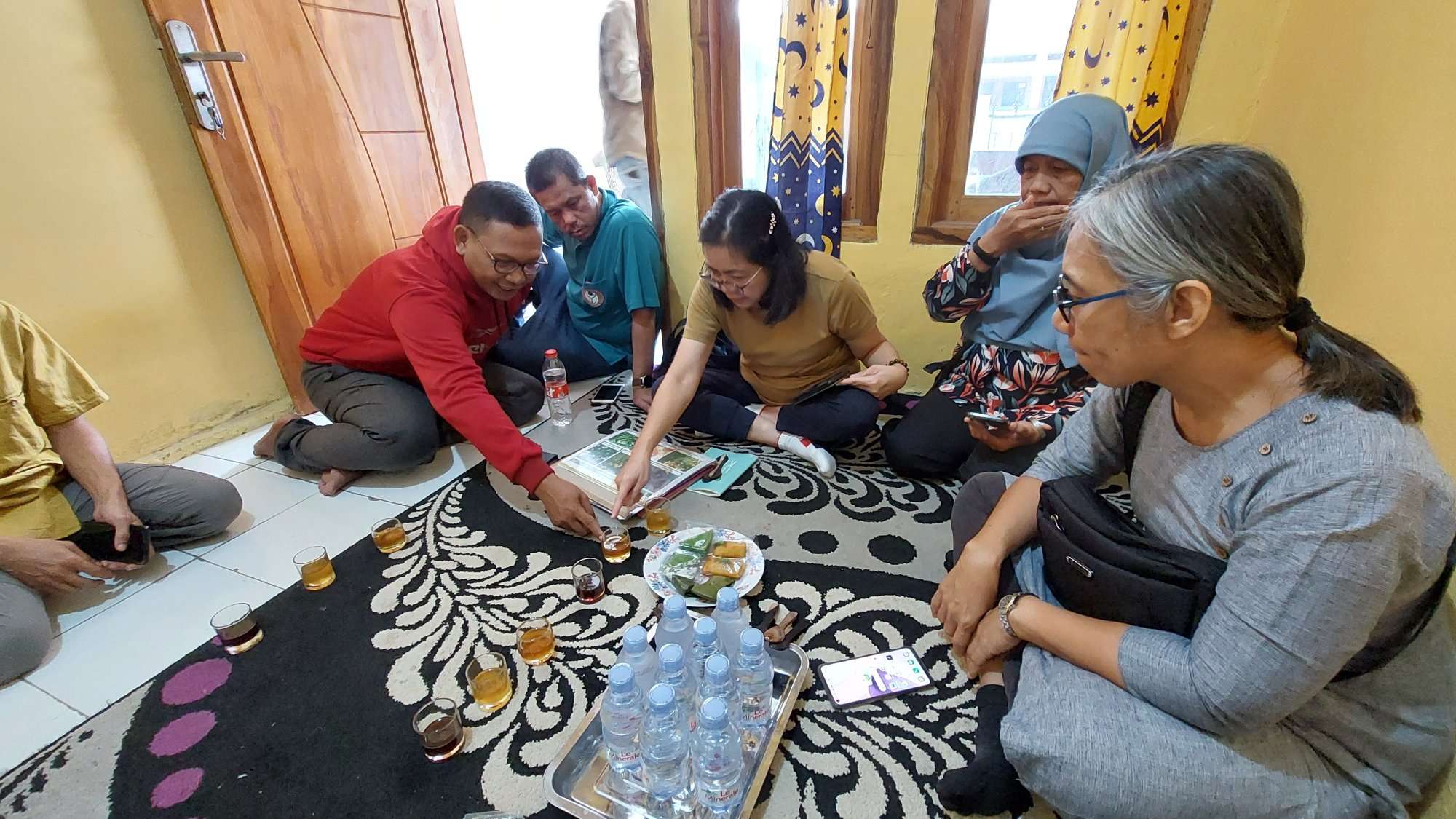
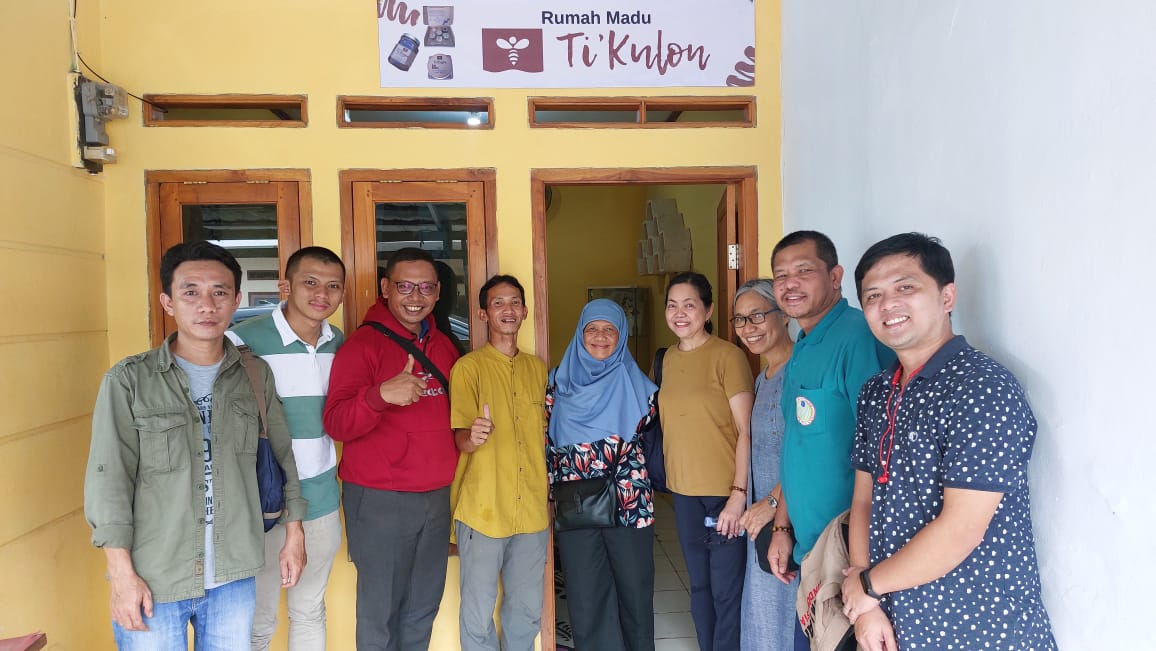
Alongside forest honey, the cooperative is also cultivating trigona bees, which produce honey with higher propolis content and added health benefits.
Eman remains optimistic about the future. “We believe the forest honey business will continue to grow, even with the challenges. Together with API, we are committed to making this commodity sustainable while improving the livelihoods of local communities. The market is competitive, especially with the presence of fake honey, but we are confident that by maintaining quality and developing the best forest honey products, we can convince consumers and achieve significant growth,” he concluded.

Comments are closed