
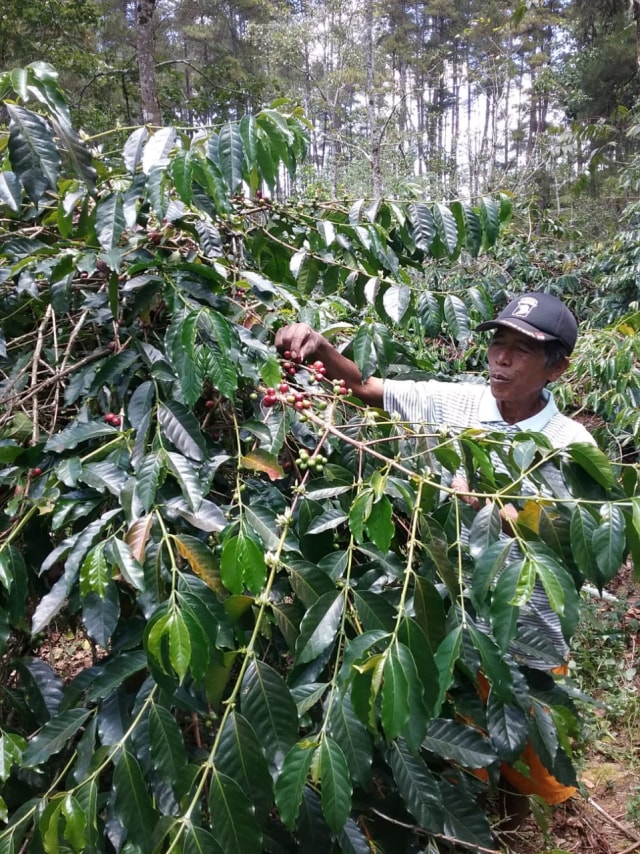
South Sulawesi, Indonesia – In the highlands of Toraja, coffee has long been more than just a crop; it is a way of life. For generations, smallholder farmers have cultivated the rich, volcanic soil to produce Toraja’s world-renowned Arabica beans. Yet, despite the global demand for their coffee, many farmers struggled to secure fair prices and improve their livelihoods.
That story is beginning to change. The Toraja Coffee Farmers Cooperative, with the support of the Aliansi Petani Indonesia (API) and the APFP-FO4A program, is empowering farmers to take control of their coffee value chain.
According to Cooperative Head Thomas Upping, their mentoring and capacity-building programs are designed to strengthen the bargaining power of farmers. “Through the cooperative, farmers can now sell their products directly to consumers, without going through traders or middlemen. This allows them to get better prices and more stable income,” he explained.
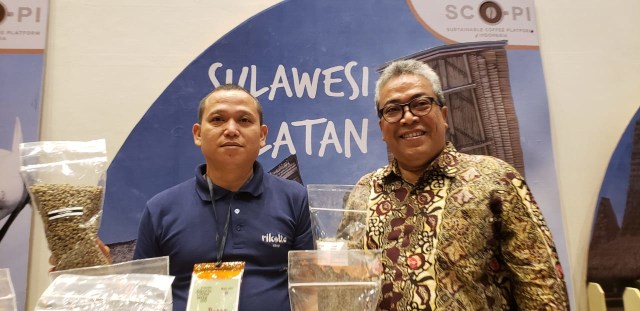
The cooperative brings together 90 farmer groups across eight sub-districts—from Gandangbatu Sillanan and Sesean Suloara’, to Buntu Pepasan, Kapala Pitu, Bangkele Kila’, Awan Rante Karua, Mengkendek, and Makale Selatan. With such a wide network, collaboration is essential. The cooperative partners not only with local government and the private sector, but also with organizations like Rikolto Indonesia to strengthen training in cultivation, post-harvest handling, spatial management, and marketing.
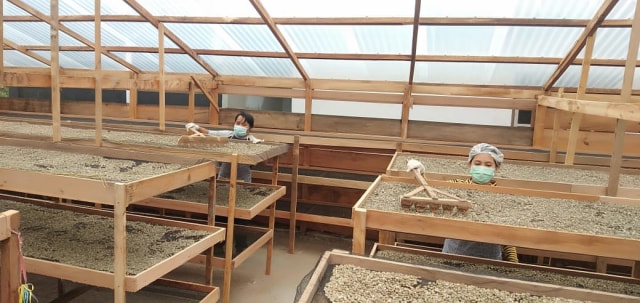
A key contribution of the APFP-FO4A program has been its support for Toraja coffee processing, helping farmers improve quality, consistency, and branding. This investment in processing ensures that Toraja coffee can compete strongly in both local and global markets.
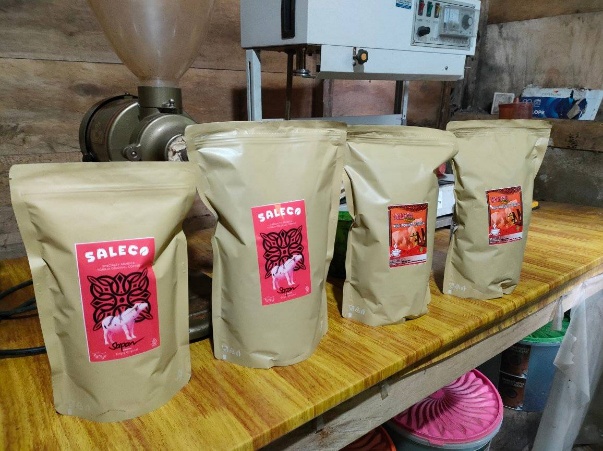
Under the cooperative’s brand SALECO (Specialty Arabica Coffee, Origin of Toraja), farmers now proudly market their own coffee—green beans, roasted, and ground—to both local and international buyers.
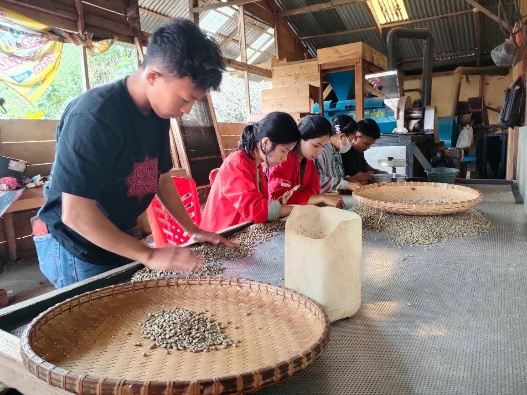
A distinctive feature of the cooperative’s approach is its focus on youth and women farmers. Recognizing that sustainability depends on engaging the next generation, they actively involve young people and women in coffee farming and processing. “This is one of Toraja’s greatest challenges,” Thomas shared, “but also one of our biggest opportunities. In developing the cooperative, we embrace the energy and ideas of young farmers and women to ensure that Toraja Arabica remains strong for years to come.”
The APFP-FO4A program is implemented by the Asian Farmers’ Association for Sustainable Rural Development (AFA) and La Via Campesina (LVC), with funding support from the European Union (EU) and the International Fund for Agricultural Development (IFAD). The program aims to strengthen the capacities of farmers’ organizations to provide economic services, advocate for enabling policies, and promote sustainable livelihoods for small-scale family farmers across Asia.

Comments are closed