
Background
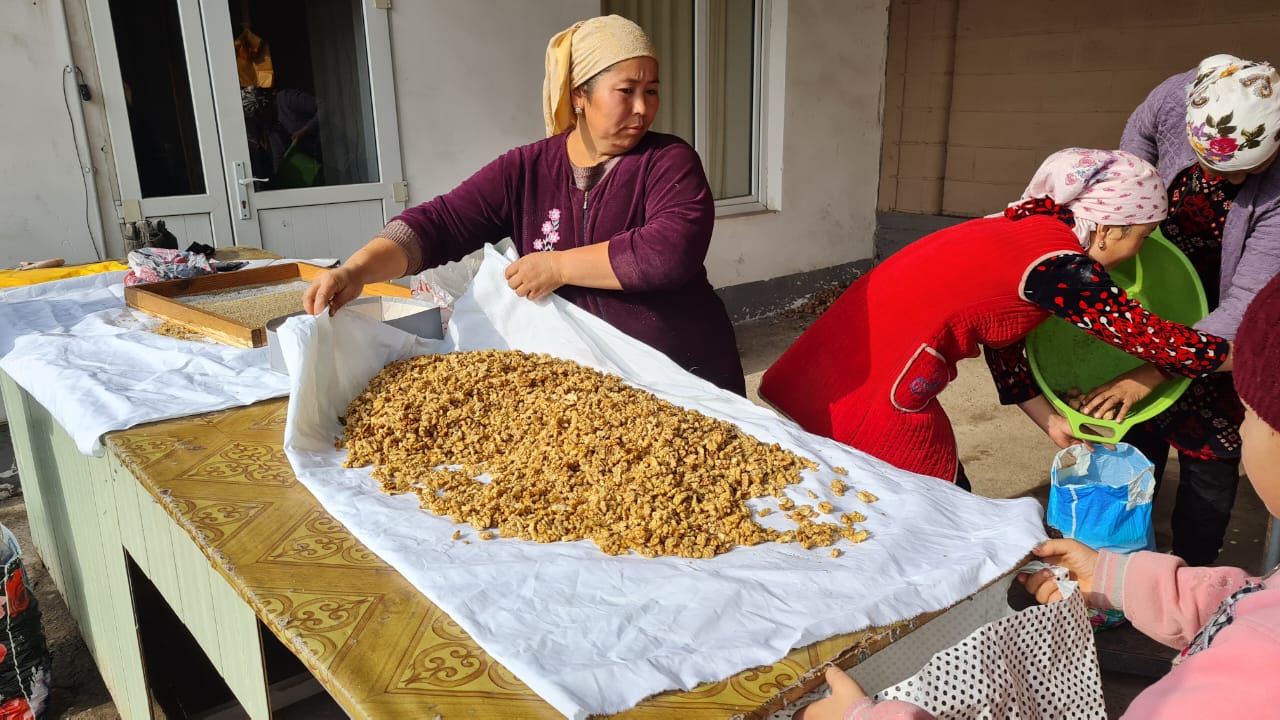
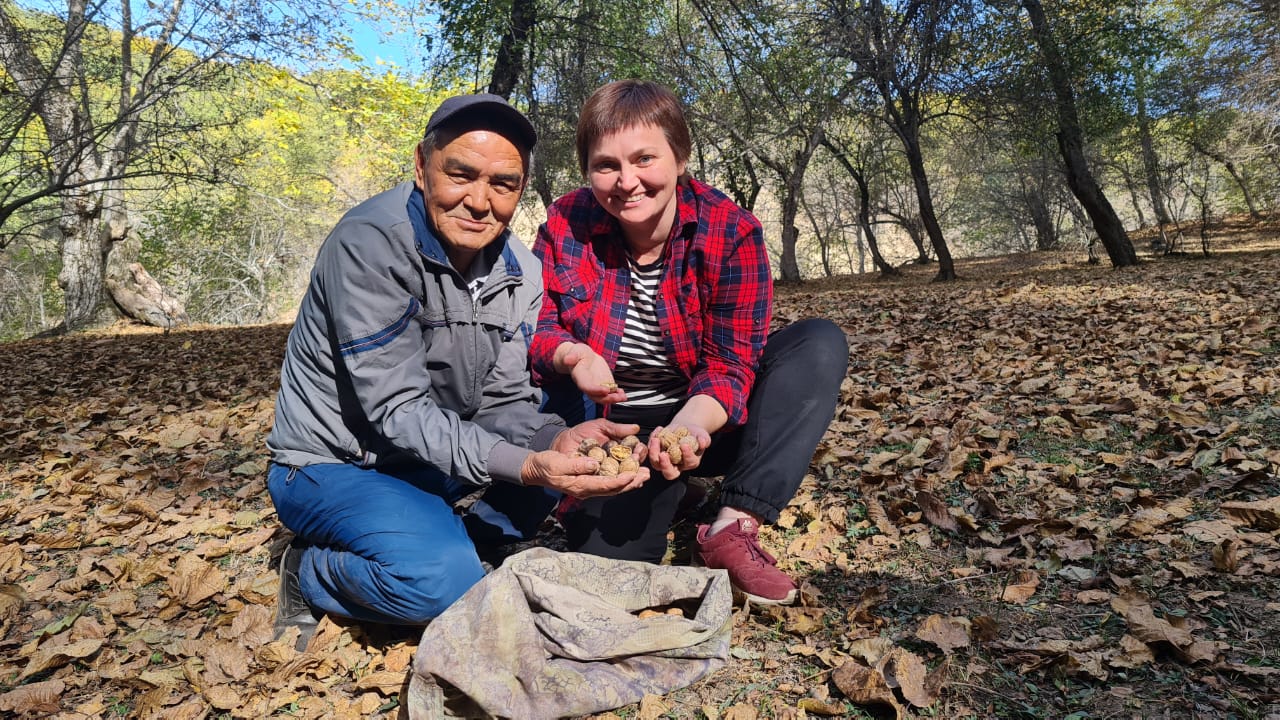
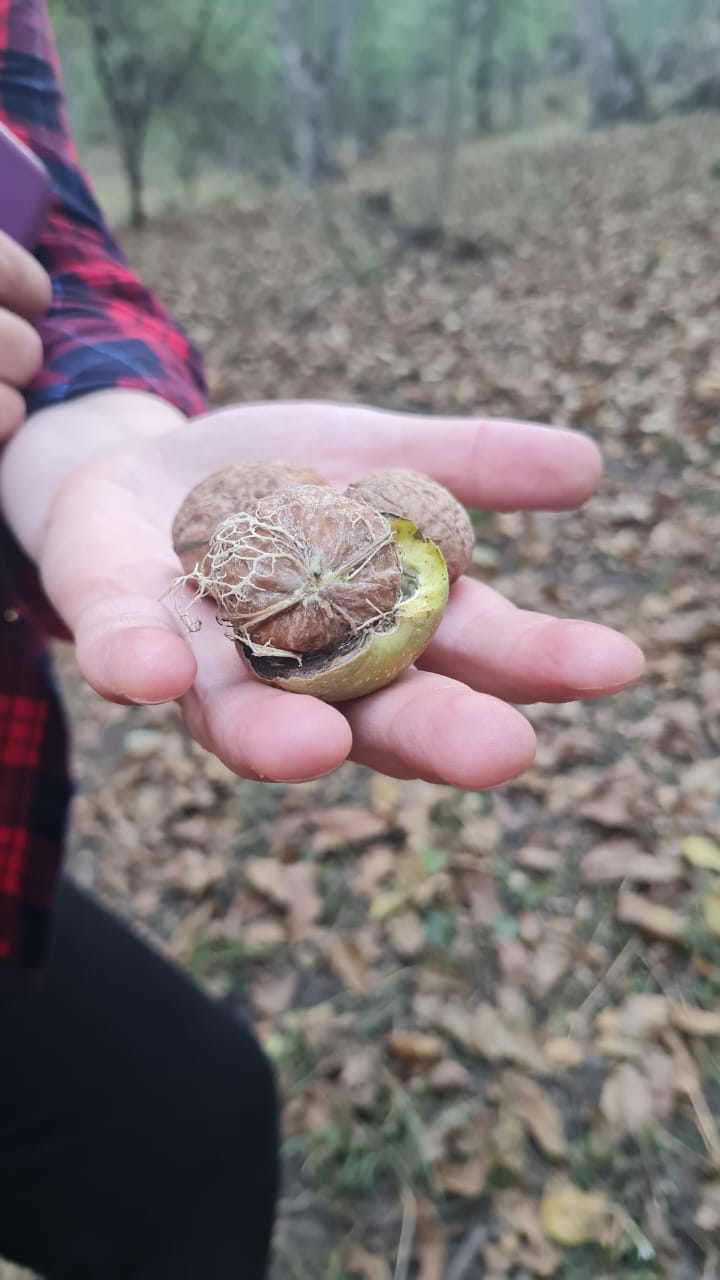
Ishker KG Cooperative is a community-based producers’ organization operating in the southern regions of the Kyrgyz Republic, working primarily with wild forest products such as walnuts, pistachios, rose hips, and apricots. Prior to the APFP-FO4A intervention, cooperative members were largely engaged in raw material collection and small-scale processing, with limited access to modern equipment, branding, and stable markets. Most products were sold locally with minimal value addition, resulting in low and unstable incomes for farmers.
The cooperative faced several structural challenges: outdated processing tools, weak financial and accounting systems, limited experience with export requirements, and inadequate packaging and branding to meet international market standards. These constraints significantly limited the cooperative’s ability to expand production, diversify products, and access higher-value markets.
Through APFP-FO4A support, Ishker KG aimed to strengthen its economic services to members by improving processing capacity, developing value-added products, enhancing market access, and building institutional and managerial competencies.
The Asia-Pacific Farmers’ Program (APFP) – Farmers’ Organizations for Asia (FO4A) is implemented by the Asian Farmers’ Association for Sustainable Rural Development (AFA) and La Via Campesina (LVC), with funding from the European Union (EU) and the International Fund for Agricultural Development (IFAD). The program aims to strengthen the capacities of farmers’ organizations to provide economic services, advocate for enabling policies, and promote sustainable livelihoods for small-scale family farmers across Asia. The program is implemented in the Kyrgyz Republic by the National Union of Water Users’ Associations of the Kyrgyz Republic (NUWUA) and the Kyrgyz Association of Forest and Land Users (KAFLU).
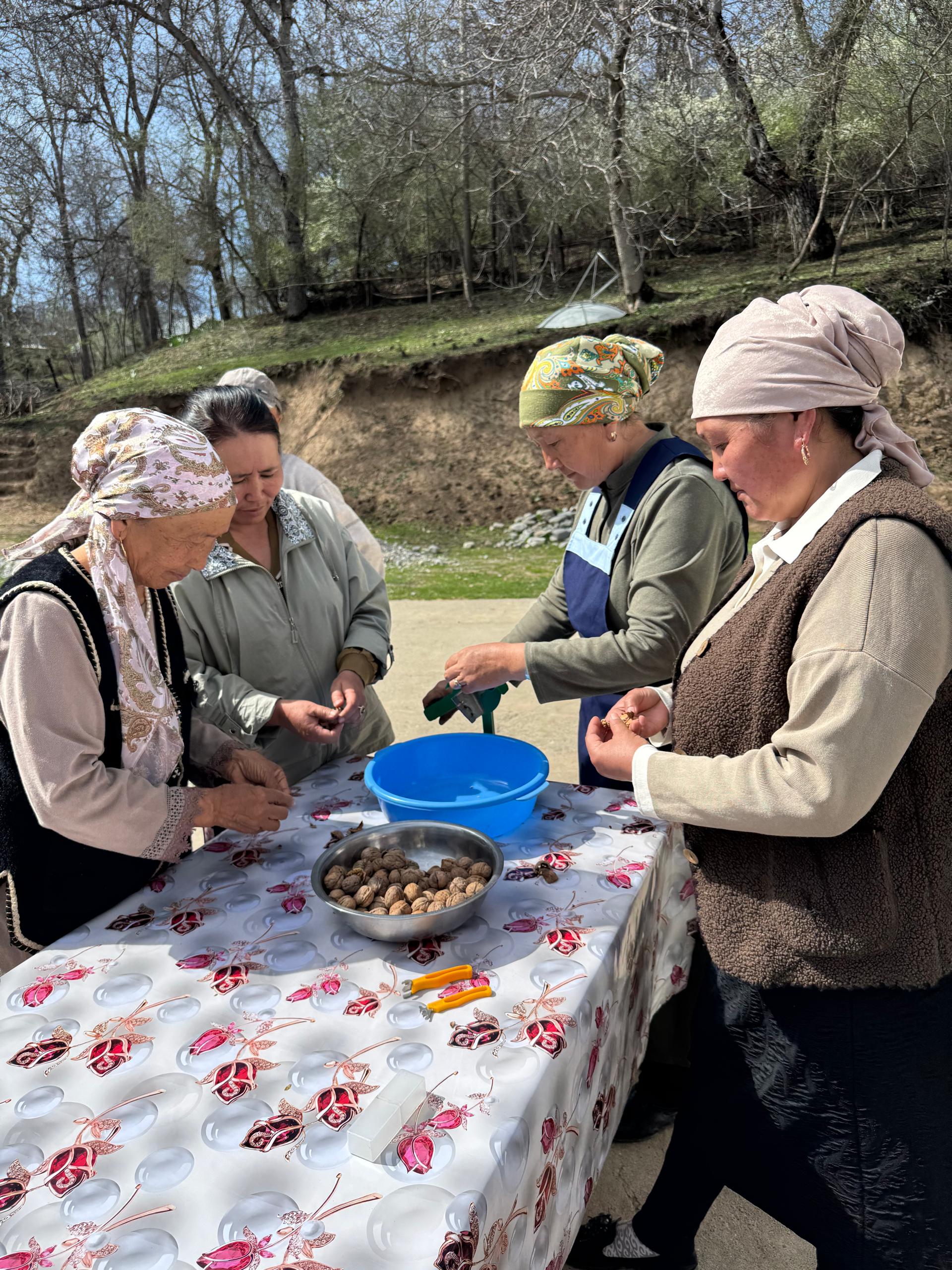
Innovations/Good Practices
With financial and technical support from APFP-FO4A, Ishker KG introduced several innovations and good practices that transformed its operations:
- Investment in value-added processing: The cooperative procured nut-cracking equipment and strengthened working capital, enabling systematic processing of walnuts and pistachios rather than selling raw produce. This allowed members to move up the value chain.
- Product diversification: Ishker KG expanded its product portfolio to include peeled walnuts and pistachios, nut oils, nut pastes, flours, and dried rose hips. This diversification reduced dependency on a single product and improved income stability.
- Branding and labeling: With support from the national coordinator, the cooperative developed professional product labeling in Kyrgyz, Russian, and English, increasing market credibility and readiness for international buyers.
- Market-oriented approach: Participation in national and international exhibitions (Organic Expo Almaty, ANUGA Cologne) enabled the cooperative to test products, receive buyer feedback, and initiate export negotiations.
- Quality assurance practices: Product testing and equipment calibration were introduced, improving consistency and compliance with buyer expectations.
These practices marked a clear shift from subsistence-level processing toward a structured, market-driven cooperative enterprise model.
Impact
The introduction of value-added processing and market-oriented practices led to tangible economic and organizational results:
- Increased production and sales: Ishker KG processed and sold several tons of walnuts and pistachios, alongside oils, pastes, and flours, supplying local markets in Bishkek as well as buyers in the United States, Uzbekistan, Kazakhstan, and institutional clients.
- Income growth for members: Value addition significantly increased product prices compared to raw nut sales, directly improving farmers’ incomes and financial resilience.
- Expanded market access: Participation in international exhibitions resulted in preliminary export agreements and ongoing negotiations with foreign buyers, marking the cooperative’s entry into global value chains.
- Strengthened organizational capacity: The cooperative improved internal coordination, branding, and business planning, positioning itself as a reliable supplier rather than an informal producer group.
Beyond financial gains, members gained confidence in collective entrepreneurship and long-term business development, reinforcing trust in the cooperative model.
Facilitating Factors
Facilitating factors included:
- APFP-FO4A financial support, which enabled strategic investments that were previously unattainable;
- Technical guidance from the national implementing agency;
- Strong leadership and initiative from the cooperative’s management;
- Growing demand for natural and organic nut-based products.
Challenges
Challenges encountered during implementation included:
- Limited accounting and financial management skills, complicating reporting and planning;
- Difficulties in preparing export documentation and understanding international requirements;
- Insufficient packaging quality to fully meet international market expectations;
- Inadequate production facilities requiring further modernization.
Addressing these challenges became part of the cooperative’s learning and growth process.
Lessons Learned
The experience of Ishker KG generated several key lessons:
- Value addition is critical for income growth: Processing and product diversification significantly increase farmers’ earnings compared to raw material sales.
- Financial management is foundational: Strong accounting systems are essential for sustainability, donor trust, and business scaling.
- Packaging and branding matter: Market success depends not only on product quality but also on professional presentation.
- Exposure to international markets accelerates learning: Trade fairs and buyer interactions rapidly improve understanding of standards and requirements.
- Leadership drives transformation: Proactive management is crucial for mobilizing resources, partnerships, and innovation.
Recommendations
Based on Ishker KG’s experience, the following recommendations are proposed:
- Continue supporting cooperatives with targeted investments in value addition and processing infrastructure.
- Strengthen financial literacy and export management training for cooperative leaders and accountants.
- Provide branding, packaging, and certification support to enable access to premium markets.
- Encourage participation in international exhibitions as a practical learning and market-entry tool.
- Promote replication of this model among other forest-based cooperatives in similar contexts.
Related documentation

Comments are closed