
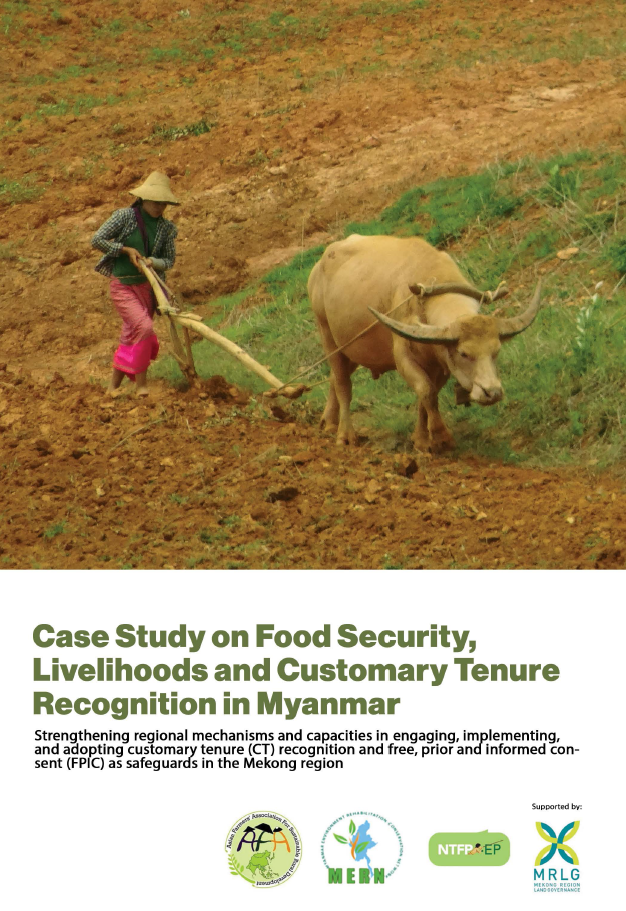
Over the past few years, there has been progress in tenure and safeguards at the ASEAN level, particularly in the Mekong region. Both customary tenure (CT) and free prior informed consent (FPIC) have been recognized as key indicators in an important guideline for responsible investment in food agriculture and forestry. However, despite this development, several […]
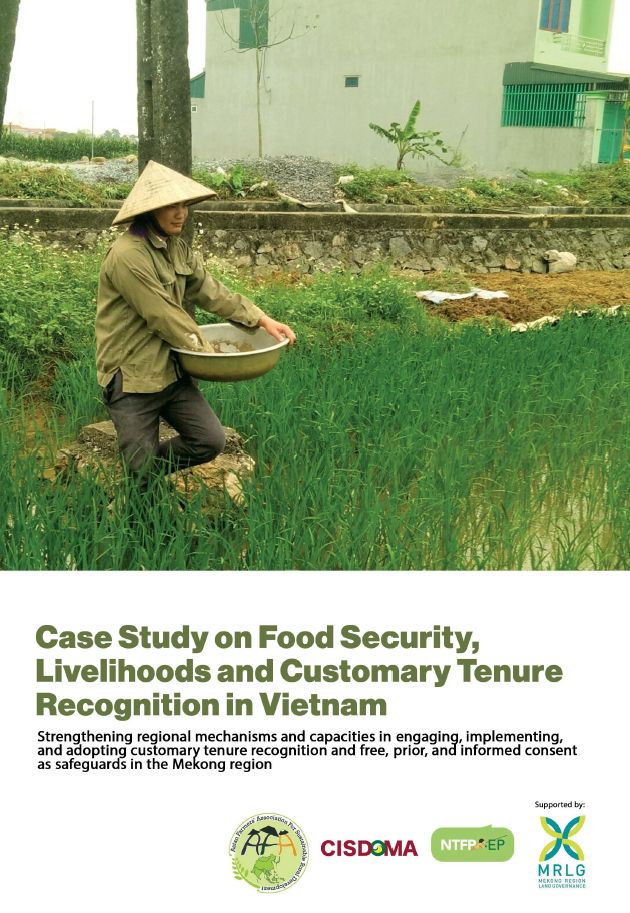
Over the past few years, there has been progress in tenure and safeguards at the ASEAN (regional) level, particularly in the Mekong sub-region. Customary tenure (CT) has been recognized as a key indicator in an important guideline for responsible investment in food agriculture and forestry. However, despite these developments, several challenges remain. For customary forest […]
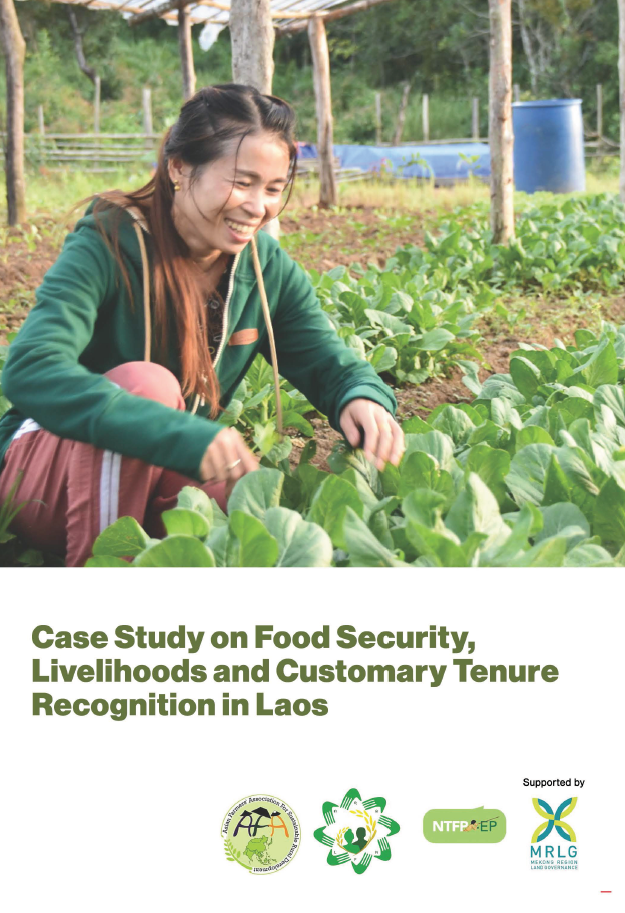
This report aims to assess the status of customary tenure recognition and implementation in livelihoods and food security in Laos. It is part of the “Strengthening Regional Mechanisms and Capacities in Engaging, Implementing, and Adopting Customary Tenure (CT) recognition and free, prior, and informed consent (FPIC) as safeguards in the Mekong region’ project led by […]
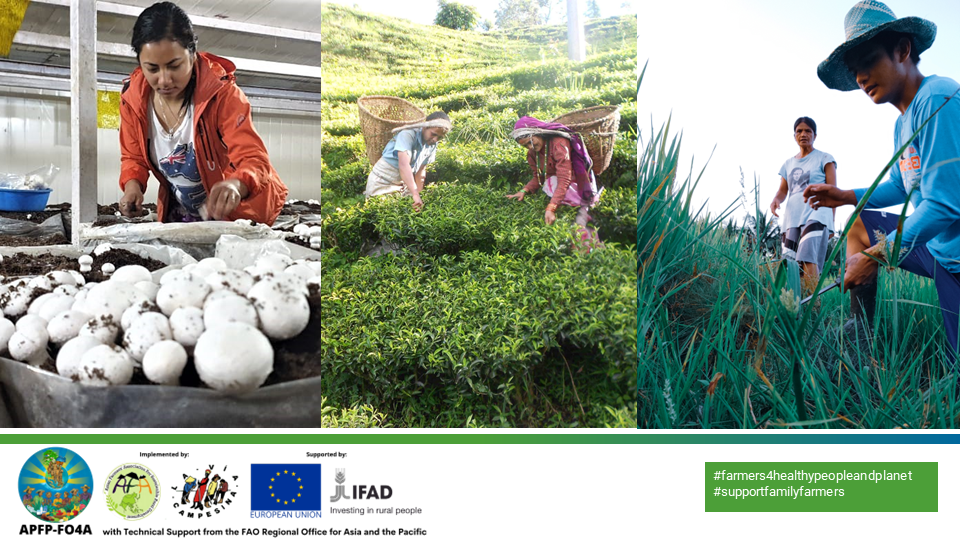
Background The recently held UN Food Systems Stocktaking Moment highlighted the enormous contribution of food systems transformation to solving many of the world’s sustainability challenges. Among them are biodiversity loss, ecosystem degradation, income inequality, malnutrition, and climate change, which are interrelated crises that are undermining progress made toward the 2030 Agenda and pose threats to […]
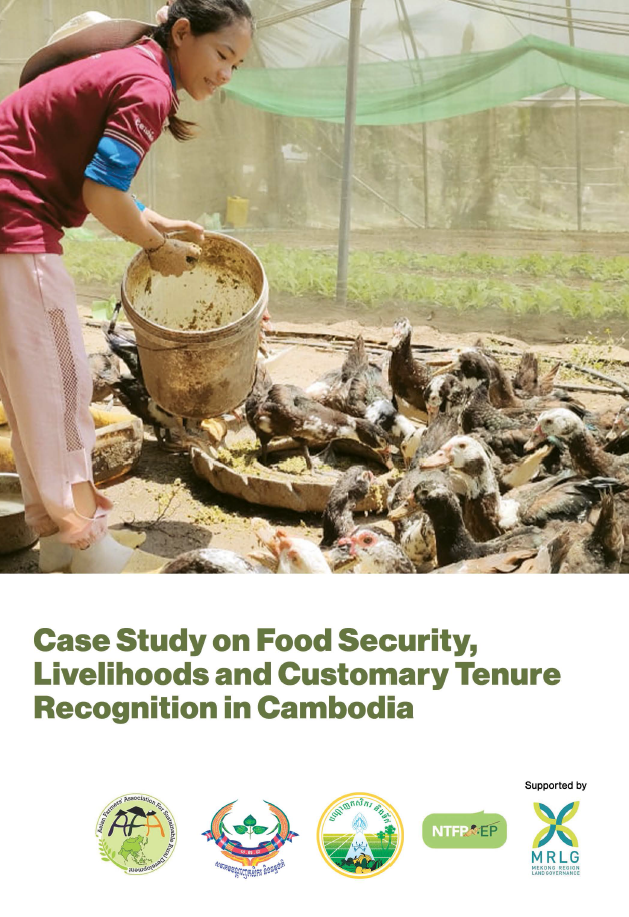
Agriculture has the potential to be an engine for economic growth and food security in Cambodia. However, productive assets such as land and other natural resources have been widely destroyed. Land issues have increased since the country adopted a free market economy in the early 1990s. Privatization, large-scale infrastructural development, tourism, foreign investment, and agro-industry […]
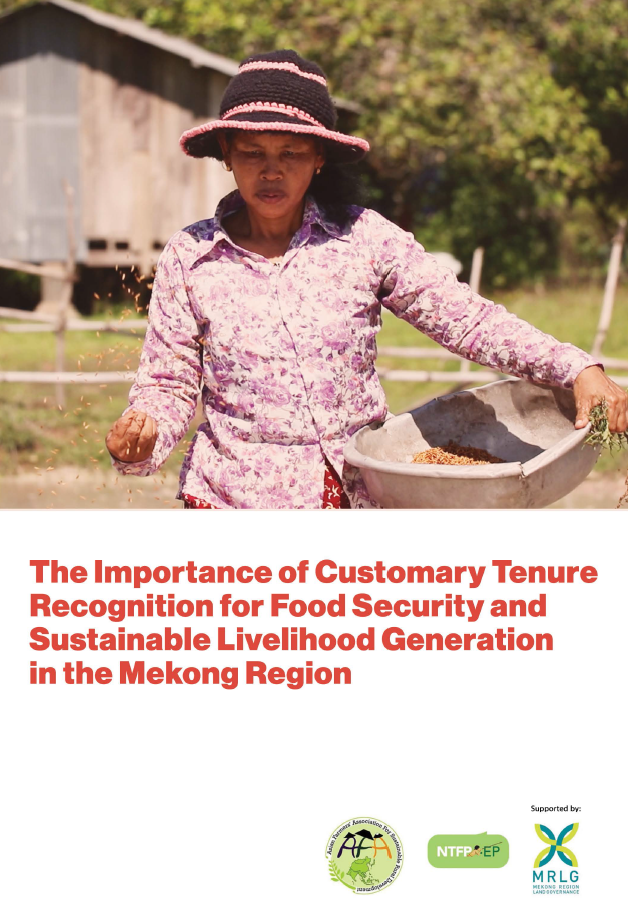
Southeast Asia’s extensive forest cover is a critical source of food and livelihood for approximately 14 million people, particularly for indigenous peoples and ethnic minorities. Forest areas where customary tenure predominantly shapes and define how communities manage land and other resources, including the way community members collect and produce food and earn income to meet […]