

Lessons from Laos: The Indonesian Farmers Alliance Promotes Resilient, Adaptive, and Sustainable Cooperatives
Farmer cooperatives must do more than increase production, expand markets, and develop their businesses. They must also be able to withstand crises, including climate change, declining production, price fluctuations, distribution disruptions, and financial or institutional challenges.
This was one of the key lessons from the Business Continuity Management System (BCMS) Session 3: On-site Training, held on 20–22 October 2026 at Jhai Coffee Farmers Cooperative in Laos. The event was facilitated by the Asian Farmers’Association (AFA) in collaboration with DGRV, bringing together representatives of farmer organizations and cooperatives from several countries. Indonesia participated through Ayu Antariksa, Chairperson of Koperasi Tani Masagena, representing the Indonesian Farmers Alliance (API).
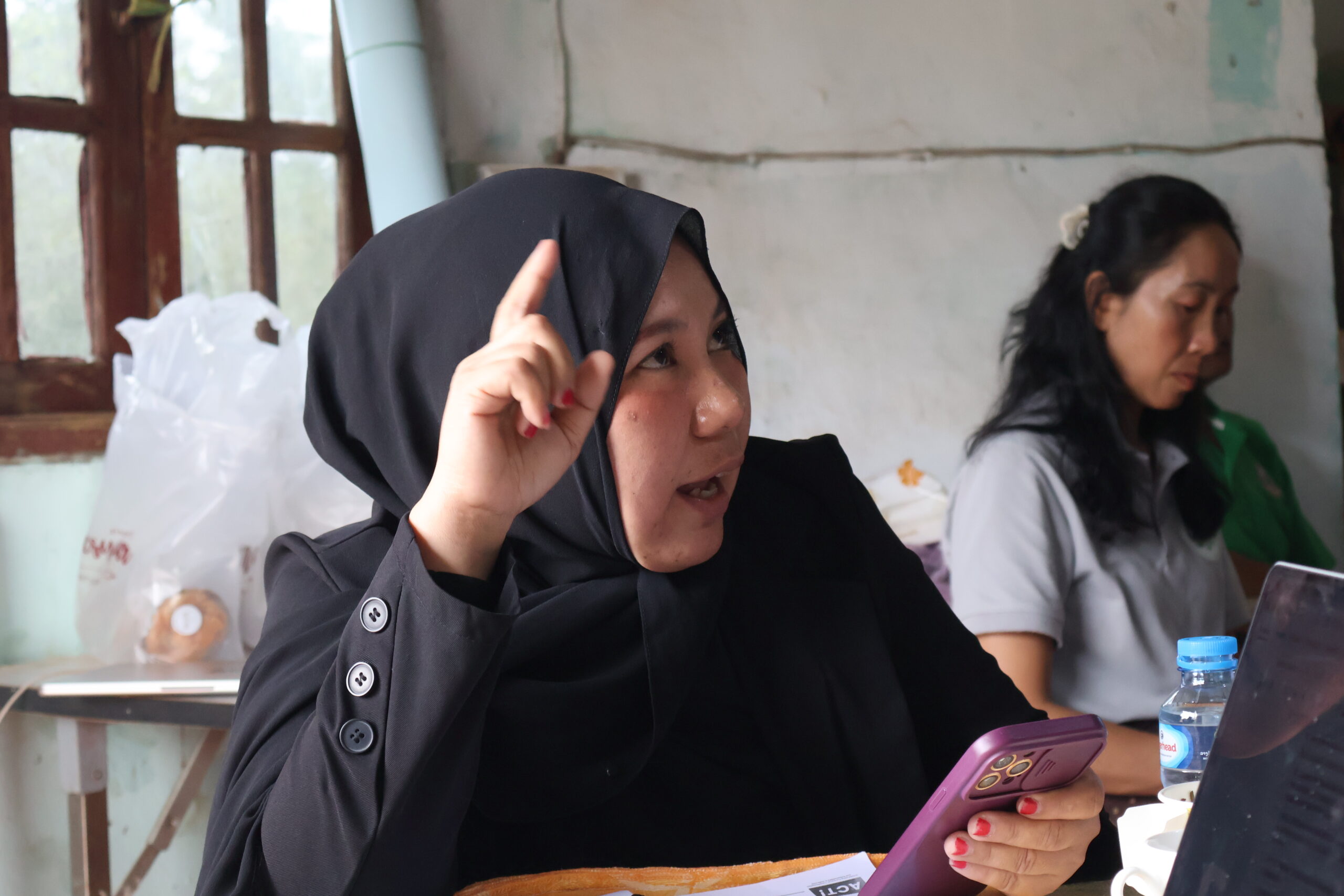
The BCMS learning session: participants share their perspectives and take part in discussions during the training in Laos.
Building Cooperatives That Are Prepared for Risk
The Business Continuity Management System (BCMS) is a systematic approach that helps organizations identify critical business activities, recognize risks, analyze the impacts of disruptions, and prepare strategies to keep business operations running or restore them as quickly as possible.
Over the three days, participants studied three main stages. The first day focused on establishing the foundations of a BCMS, including the organization’s profile, business continuity scope, objectives, policies, and document review and approval mechanisms. Participants also studied Business Impact Analysis (BIA) to identify critical activities and assess the consequences if those activities were interrupted.
The second day covered Risk Assessment and the development of business continuity solutions, strategies, and procedures. Risks that cooperatives need to consider include changing weather conditions, declining production, delayed supplies, commodity price changes, damaged facilities, transportation disruptions, and limited working capital. The third day focused on drafting, testing, refining, and presenting a Business Continuity Plan (BCP) to guide the organization in responding to disruptions and restoring business operations.
Lessons from Laos for Indonesian Cooperatives
For Koperasi Tani Masagena, these lessons are highly relevant to the development of its cocoa business, from purchasing cocoa beans from farmers and carrying out fermentation and drying to marketing, chocolate production, and the development of organic fertilizer.
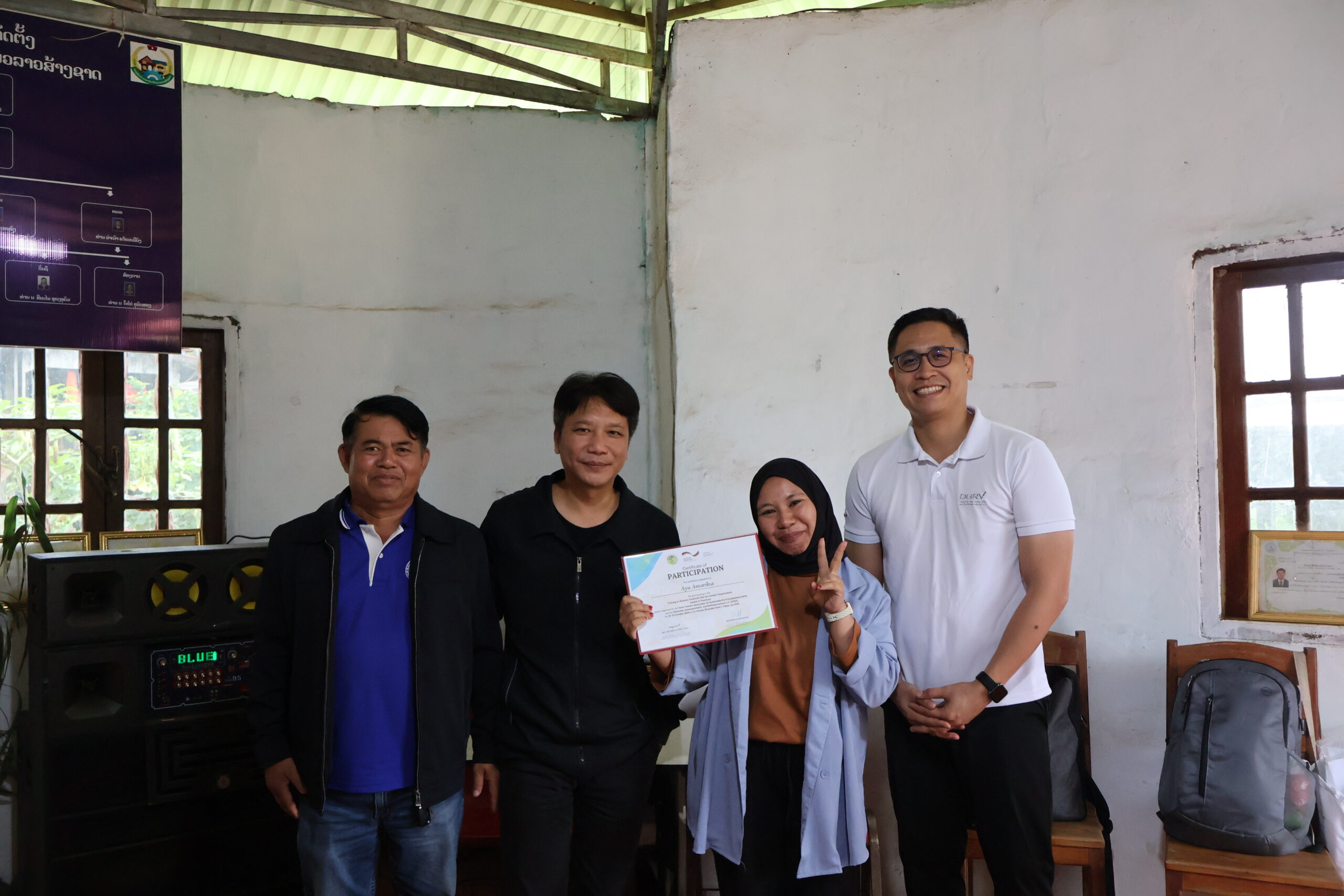
Ayu Antariksa receives a certificate of participation alongside other participants and facilitators of BCMS Session 3 at Jhai Coffee Farmers Cooperative, Laos.
For example, when prolonged rainfall disrupts the cocoa drying process, the cooperative needs alternative strategies. These may include making optimal use of its dome dryer facilities, adjusting drying schedules, monitoring moisture content, and preparing procedures for responding to equipment breakdowns. This experience shows that business continuity depends not only on production facilities and capital, but also on the quality of governance, clear role-sharing, communication, administration, and the management’s ability to make decisions.
Four Key Documents for Follow-up
As a follow-up to the training, four key documents need to be completed: (1) the BCMS foundation document; (2) the Business Impact Analysis (BIA) document; (3) the Risk Assessment document; and (4) the document outlining solutions, strategies, and operating procedures.
These four documents will be prepared in Indonesian so that cooperative board members and managers can easily understand and apply them. API will coordinate the follow-up and submit the documents to AFA for review, examination, and refinement, with the aim of developing them into a practical BCMS implementation guide for farmer organizations.
A Strong Cooperative Is Not One Without Problems
For the Indonesian Farmers Alliance, the learning experience in Laos provides an important reference for strengthening institutional capacity and the business sustainability of cooperatives in Indonesia. A strong cooperative is not one that never faces problems. It is one that can anticipate risks, make sound decisions, maintain members’ trust, and restore business operations when disruptions occur.
From Laos to Indonesia: building farmer cooperatives that are not only productive and competitive, but also resilient, adaptive, and capable of safeguarding the economic well-being of their members. Read this article in Bahasa Indonesia (Written by: Ayu Antariksa, Aliansi Petani Indonesia (API))

Comments are closed