The economic level of the community in Subang Regency, West Java, Indonesia is mostly influenced by the income rate from the agricultural sector. On the other hand, this sector still often faces problems related to Agricultural Production Facilities and marketing of agricultural products.
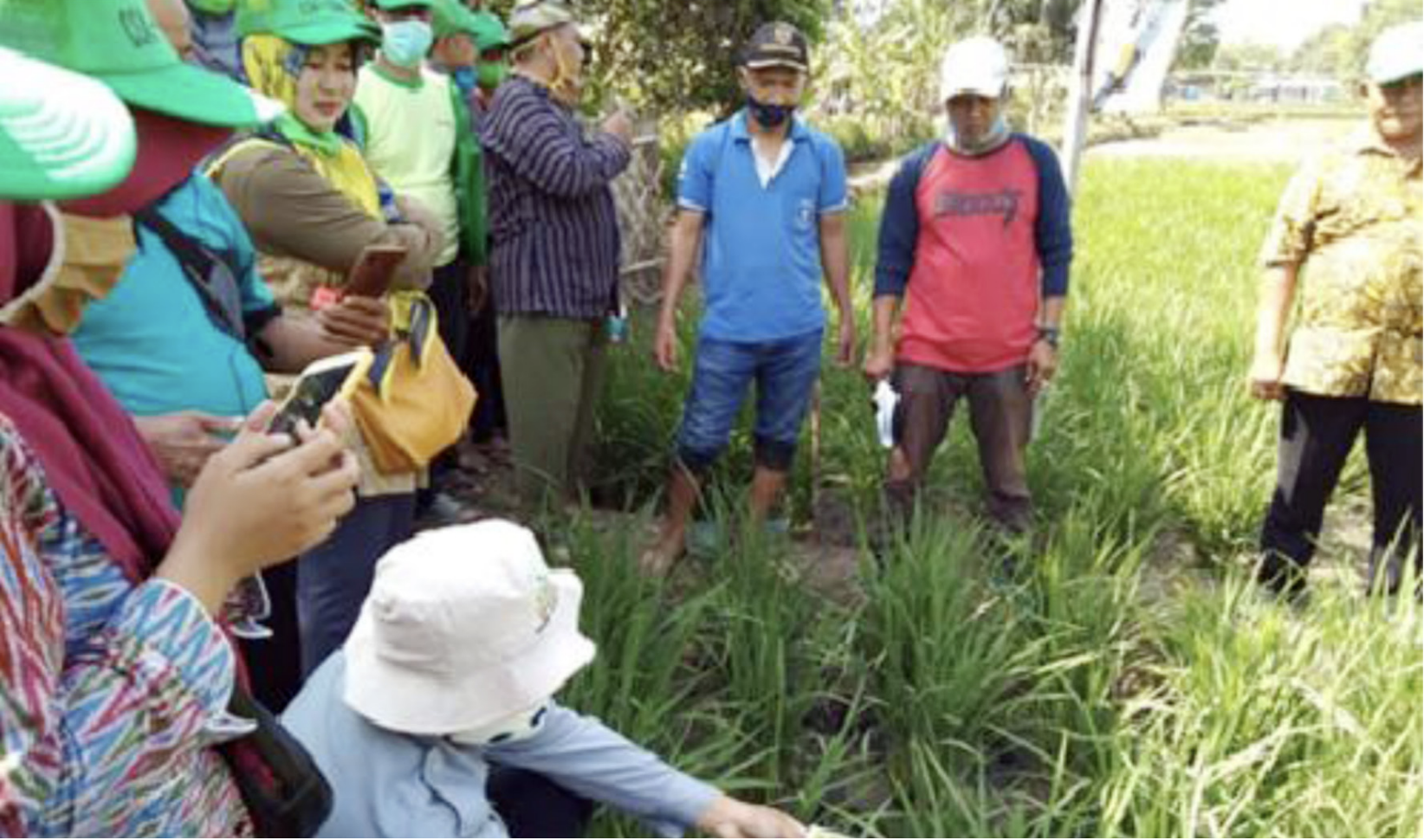
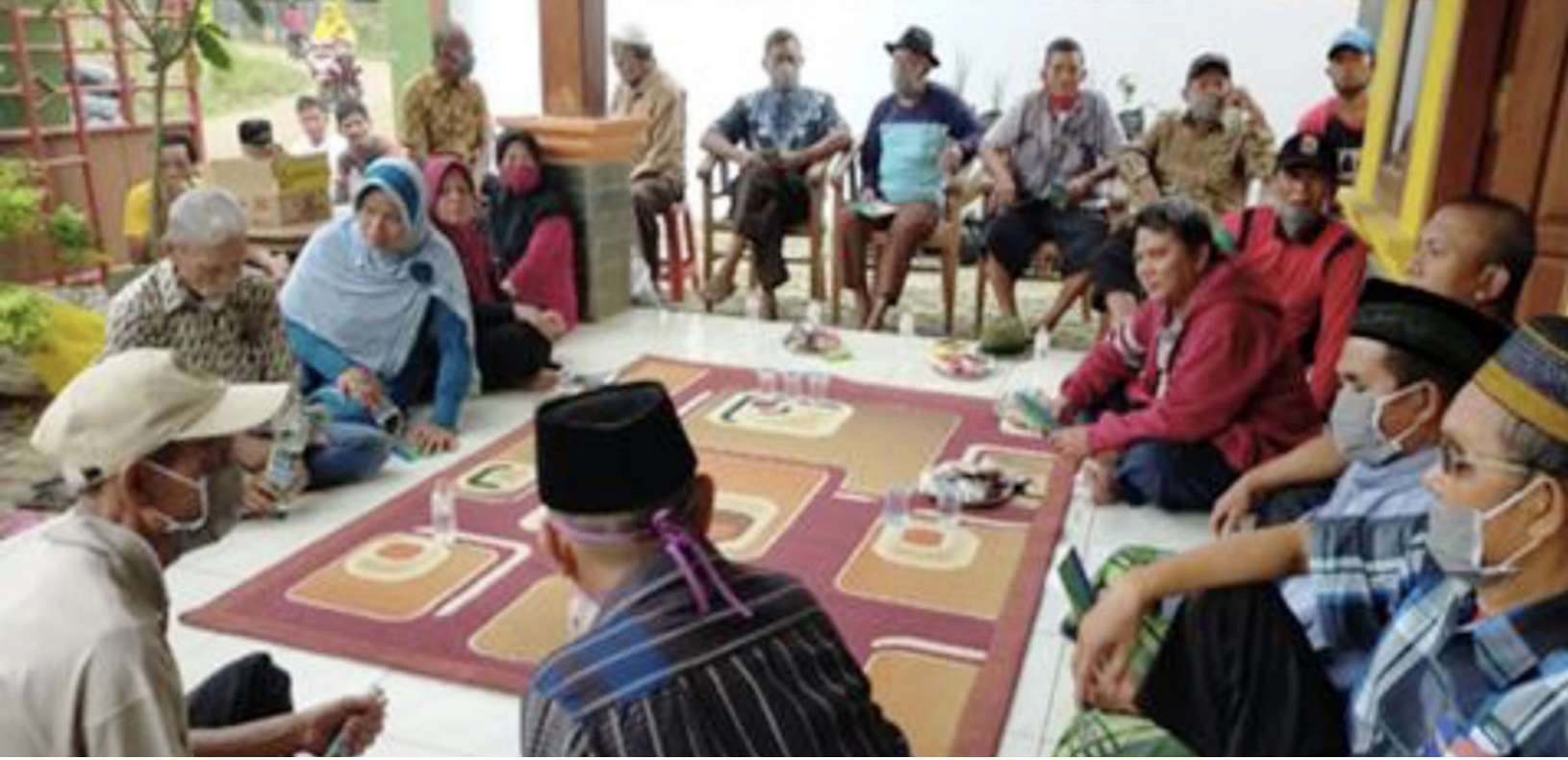
In coordination with the Subang Regency Agriculture Office and the Central Government, the Wahana Masyarakat Tani Indonesia (WAMTI) (Indonesian Farmers and Fisherfolks Community Organization) is committed to encouraging, helping, and overcoming obstacles faced by farmers, especially in Subang Regency. Therefore, WAMTI conducts counseling and assistance with Agricultural Extension Center officers at the district level (PPL, UPTD Agriculture, and POPT) in Subang Regency.
They serve farmers with Planting Season Acceleration Planning and Socialization, Mass Pest Control Movement for rats, and also the YESS Registration Facilitation Program for youth and young farmers aged 17-38 years. The YESS program is one of the programs run by the Ministry of Agriculture and the International Fund for Agricultural Development (IFAD) designed to synergize with young farmer, as well as regenerate farmers in rural areas to become young entrepreneurs and professional workers in agriculture. “For Subang Regency alone, the quota that will be absorbed is around 10 thousand people who will become farmers and young entrepreneurs,” said Johana Satar, Chair of WAMTI Subang Regency.
In addition, they also continue to carry out assistance to oversee the increase in production and optimal marketing of rice. “With the hope of prospering farmers, including producing something that can be benefited by the general public,” added Johana.
“Generally, the conditions for the gadu II planting season in 2023 (means: dry seasons), the majority of superior rice production got satisfying results,” explained Johana.
This is due to several factors, including sufficient rainfall and full sunlight, accompanied by good irrigation arrangements and sufficient production facilities.
To oversee the increase in rice production, they provide assistance from the preplanting stage, until the paddy are ready for harvest, and post-harvest. “The cultivation of wetland rice involves farmers, including young farmers. In this activity, there is an
equitable distribution of work, including for those under 40 years,” said Johana.
For the marketing of agricultural products, farmers sell their produces to middlemen or traders. The offered purchase price is quite good according to the market share in the Dejabotabek area (Depok, Jakarta, Bogor, Tangerang, Bekasi) and surrounding areas.
“The quick way to receive money is indeed through middlemen. The price of Dry Milled Grain (GKG) is higher than the price of Dry Harvested Grain (GKP), because Dry Milled Grain (GKG) requires costs for the drying process,” explained the chair of WAMTI Subang Regency.
In general, both Dry Harvested Grain (GKP) and Dry Milled Grain (GKG) whose prices are set through the Government Purchase Price (HPP) are still low compared to market prices. Therefore, WAMTI encourages the government to have strong will to buy grain at the farmer level at a higher price than the price offered by middlemen.
Johana explained that the orientation of farmers in the past and now is different. In the past, farmers cultivated land just as a routine. Now, farmers are required to meet the increasing needs of life. Starting from nutritional needs, education, health, and
others. All these needs can’t be postponed anymore.
“If in other Asian countries or in Japan for example, rice farmers can enjoy their harvest with an upper-middle-class lifestyle. The condition in Indonesia can only be experienced by farmers who have quite large land. For farmers who have less than 2 hectares of land, the harvest results are only used to pay debts while continuing to cultivate the land and finance other needs,” said Johana.