
The Lao Farmers’ Association (LFA) plans to strengthen farmers’ group networks with the aim of producing quality agricultural products and increasing incomes. This was the consensus of the association’s annual meeting held in Vientiane, Lao PDR on February 11-12 to review achievements in 2024, discuss ongoing projects within each Commodities Network (ComNET), and outline the […]
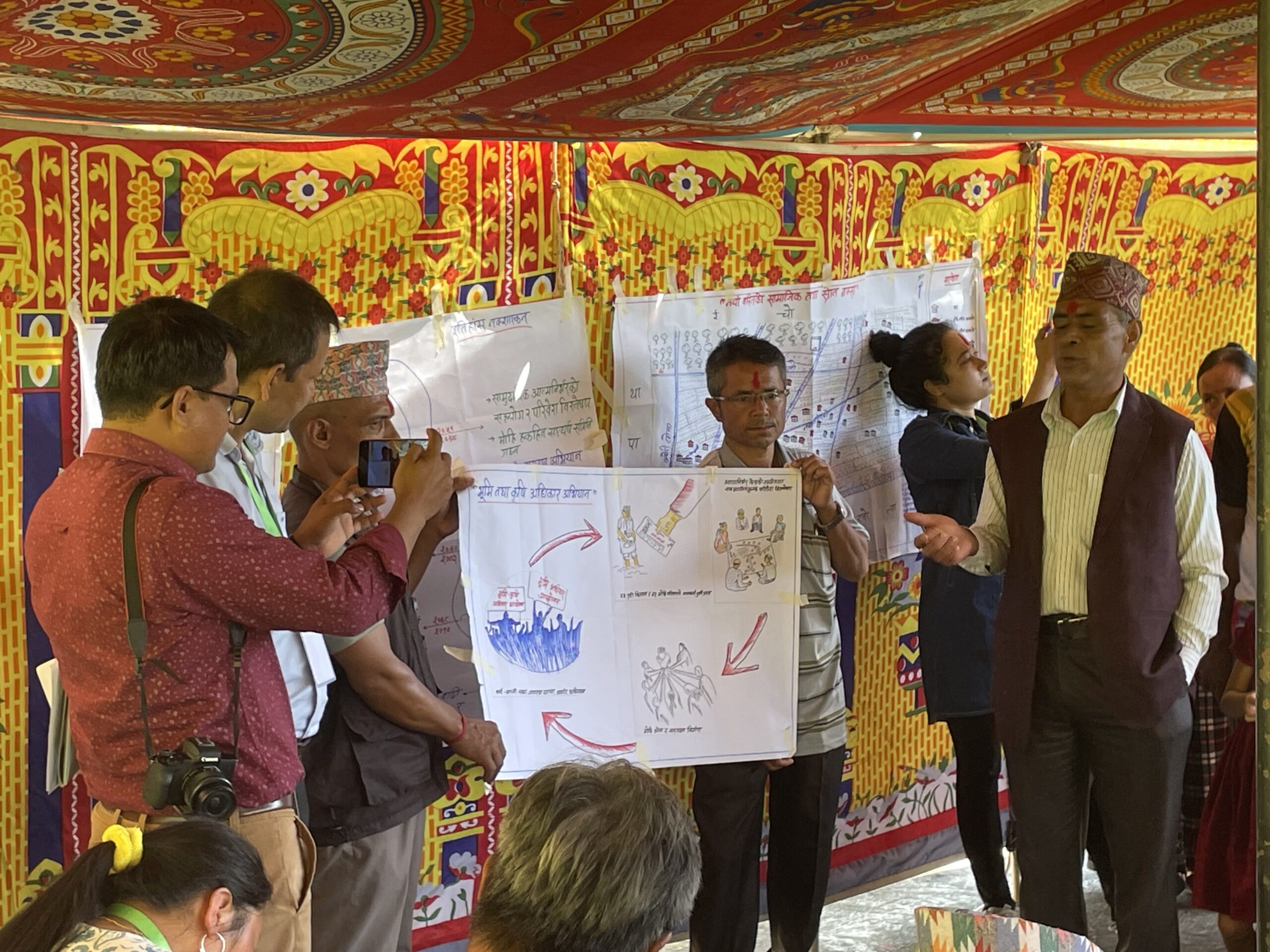
In Helambu Rural Municipality, Ward 6, Nayabasti Tole, Nepal, the Taruke Village Land Rights Forum unites a diverse community of 59 households comprising Magar, Dalit, Brahmin, and Chhetri families. Once landless, these residents now practice sustainable farming, growing staple crops like paddy and engaging in vegetable cultivation and livestock rearing. This shift highlights their commitment to diversified and sustainable agriculture.
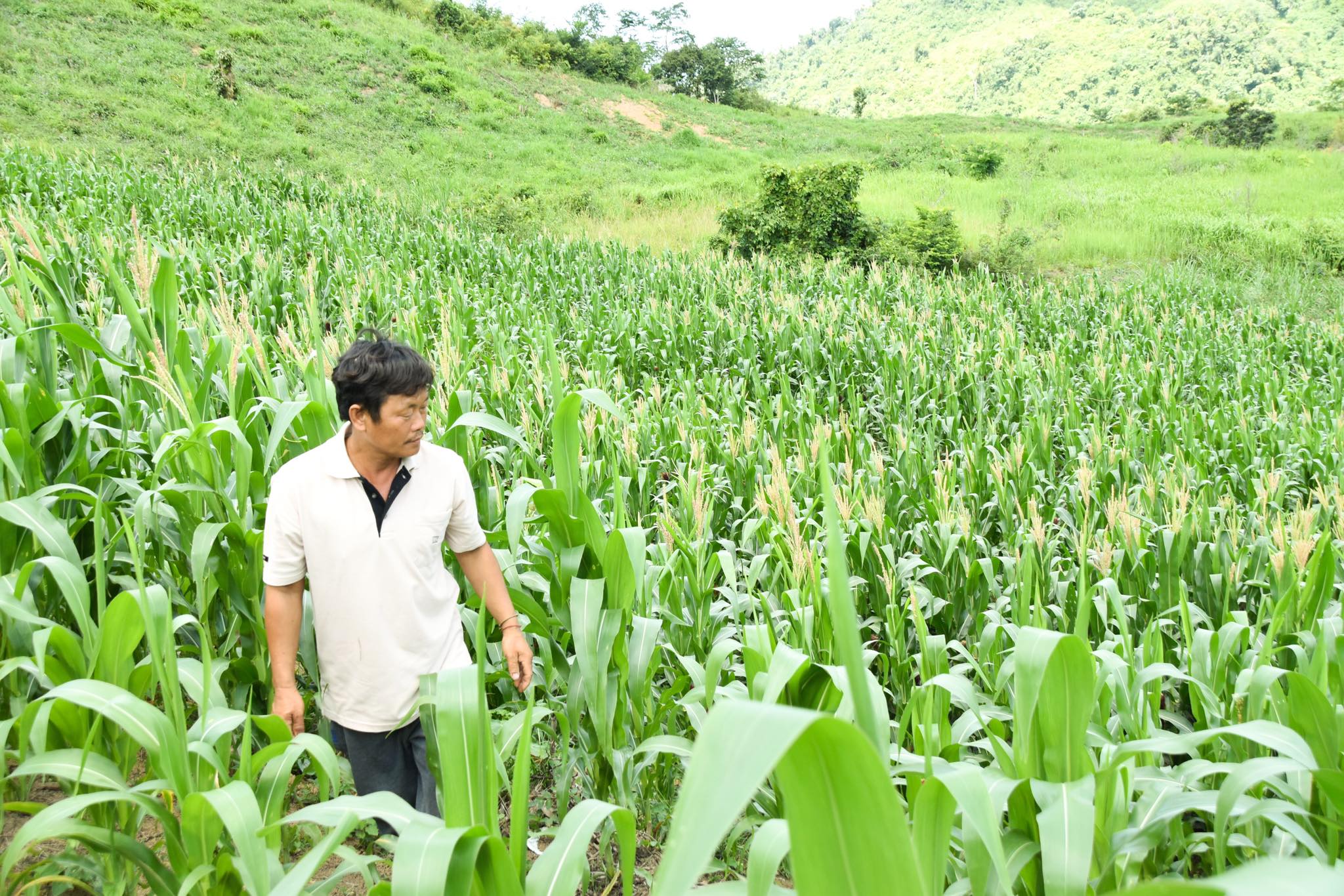
Vietnam's ecologically sensitive wetlands, which produce much of the country's food staples, including rice, fish and fowl, are now beginning to suffer the effects of over-exploitation.
''Environmental protection and economic development sometimes contradict each other,'' Deputy Minister of Natural Resources and Environment (NRE) Pham Khoi Nguyen said, spelling out the government's dilemma.
But Nguyen indicated that the time had come for drastic measures to protect a vast region of shimmering paddies and mudflats, stretching from the Red River valley in the north to the Mekong Delta in the south, which ''plays a crucial role in ensuring the national food supply but is also home to delicate ecosystems''.
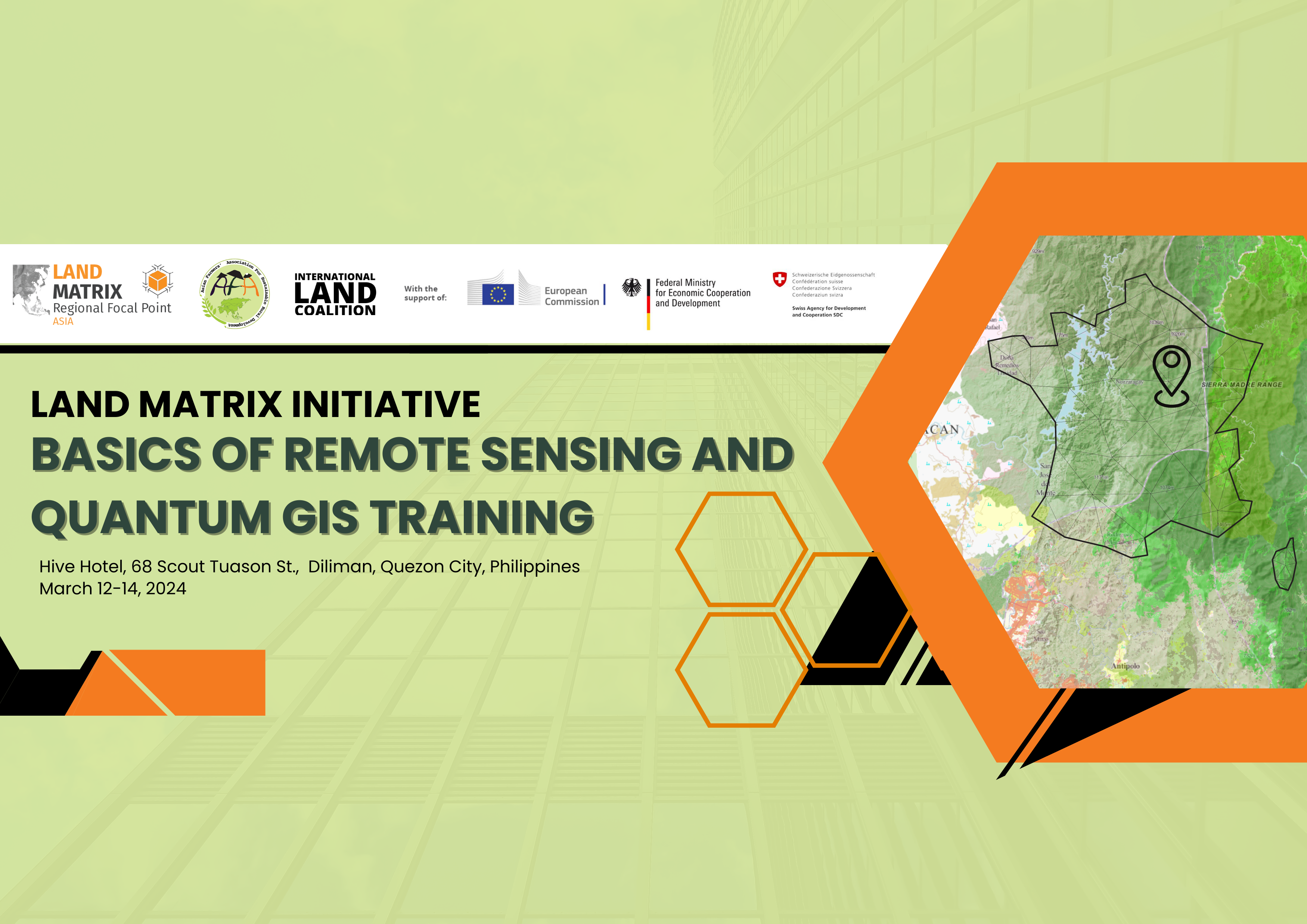
The Asian Farmers Association for Sustainable Rural Development (AFA) will be conducting an in-person training to capacitate its country data partners for the Land Matrix Initiative (LMI). The training, which includes participants from Farmer and Nature Net (Cambodia), Aliansi Petani Indonesia (Indonesia), and Pambansang Kilusan ng mga Samahang Magsasaka (Philippines), will take place on 12-14 […]
Industrial agriculture is devastating our land, water, and air, and is now threatening the sustainability of the biosphere. Its massive chemical and biological inputs cause widespread environmental havoc as well as human disease and death. Its monoculturing reduces the diversity of our plants and animals. Its habitat destruction endangers wildlife. Its factory farming practices cause untold animal suffering. Its centralized corporate ownership destroys farm communities around the world, leading to mass poverty and hunger. The industrial agriculture system is clearly unsustainable. It has truly become a fatal harvest.
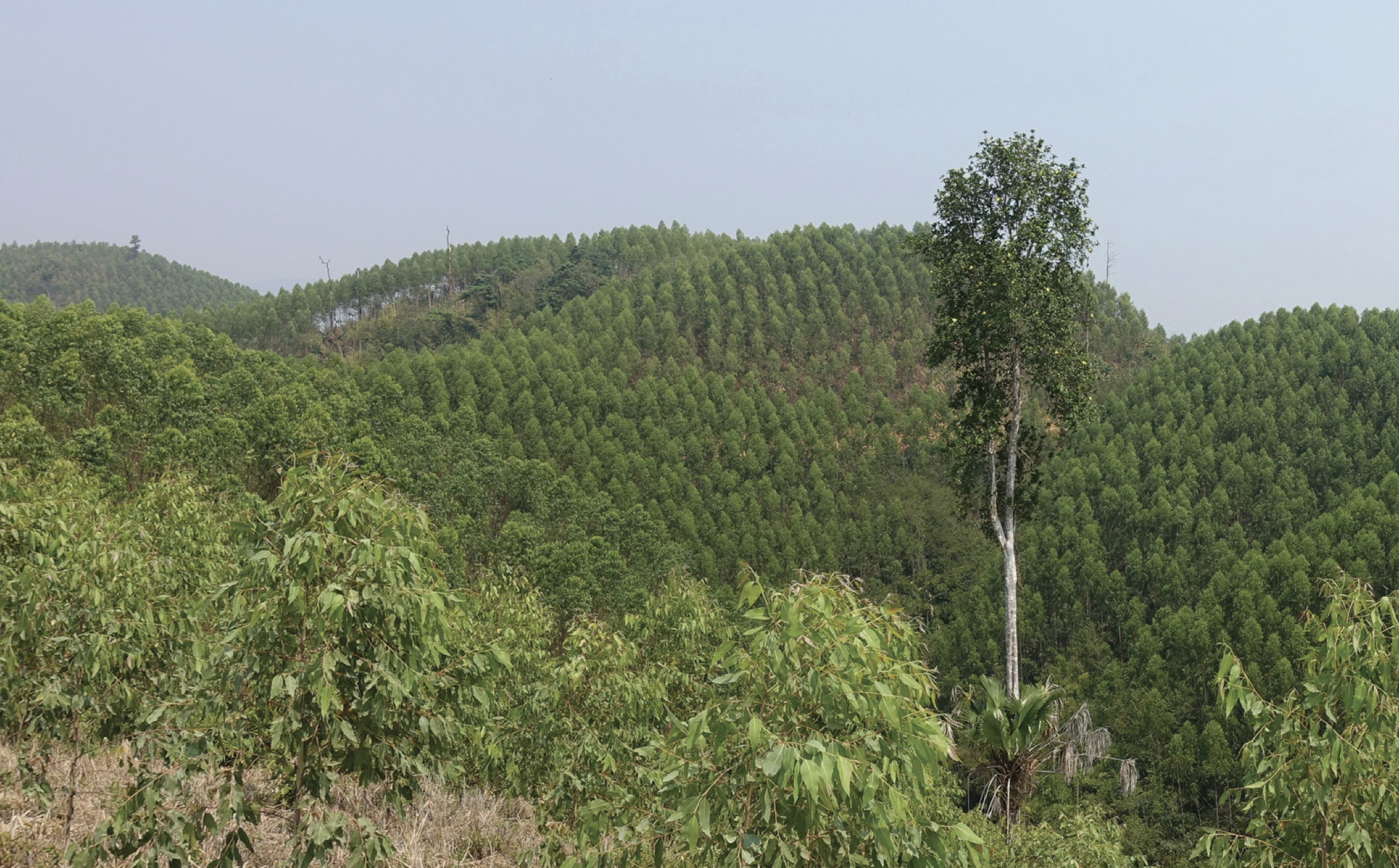
With biological carbon removal projects already receiving large parts of the increasing financial flows towards carbon offsetting, this deal narrative illustrates the ensuing trade-offs and potential benefits using the example of two land deals from the Land Matrix database in Lao People’s Democratic Republic (Lao PDR), commonly known as Laos. To meet the global goals […]

Nine representatives from the Asian Farmers’ Association (AFA) member farmers’ organizations and AFA Secretariat, namely Mr. Lilaraj Raut, AFA Regional Young Farmer Committee Chairperson and a secretariat staff of the Central Tea Cooperative Federation (CTFC) (Nepal), Mr. Aitkul Burkhanov, a forest user and Director of the the Kyrgyz Association of Forest and Land Users […]
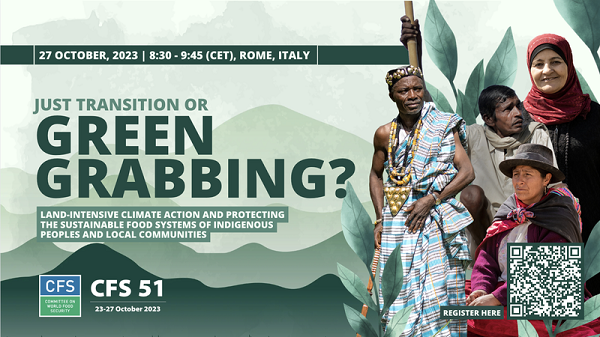
CFS 51 Side event Just transition or green grabbing? Land-intensive climate action and protecting the sustainable food systems of indigenous peoples and local communities (IPLCs) 27 October 2023 | 8:30?9:45 am (CET) Red Room (Building A), FAO Headquarters Complex, Viale delle Terme di Caracalla, 00153 Rome OR online (Zoom) REGISTRATION Large-scale commercial agriculture continues to […]