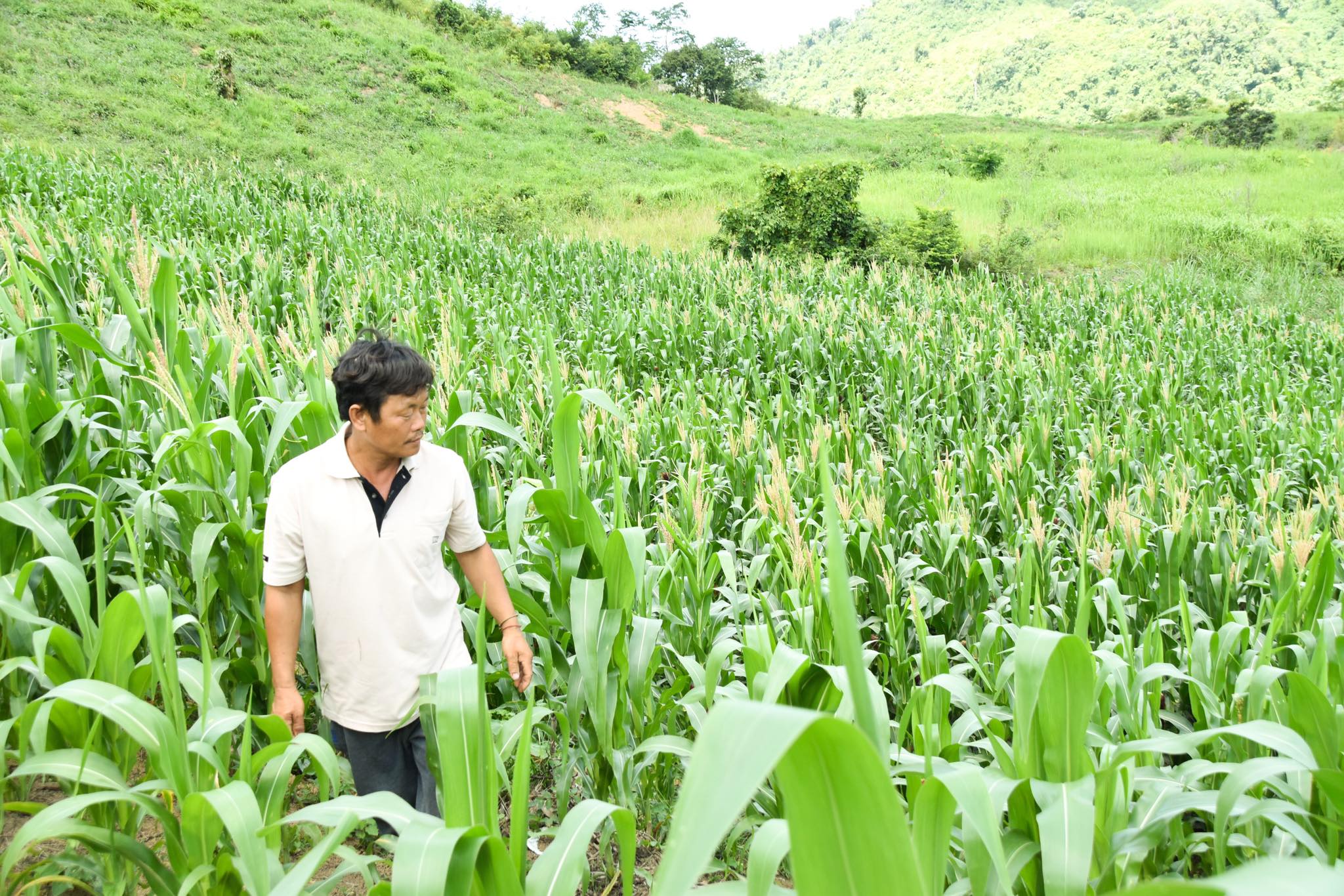
Vietnam's ecologically sensitive wetlands, which produce much of the country's food staples, including rice, fish and fowl, are now beginning to suffer the effects of over-exploitation.
''Environmental protection and economic development sometimes contradict each other,'' Deputy Minister of Natural Resources and Environment (NRE) Pham Khoi Nguyen said, spelling out the government's dilemma.
But Nguyen indicated that the time had come for drastic measures to protect a vast region of shimmering paddies and mudflats, stretching from the Red River valley in the north to the Mekong Delta in the south, which ''plays a crucial role in ensuring the national food supply but is also home to delicate ecosystems''.
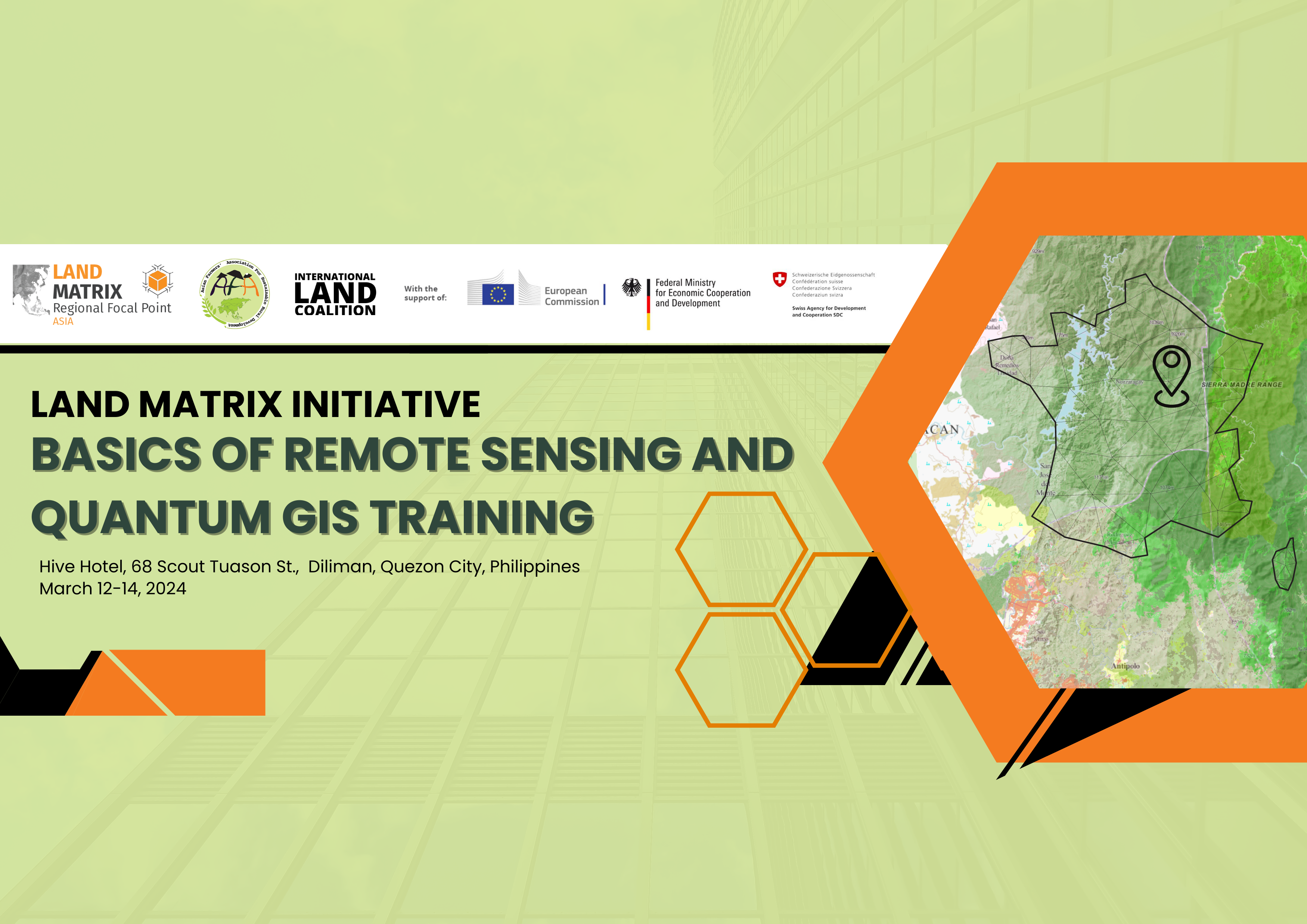
The Asian Farmers Association for Sustainable Rural Development (AFA) will be conducting an in-person training to capacitate its country data partners for the Land Matrix Initiative (LMI). The training, which includes participants from Farmer and Nature Net (Cambodia), Aliansi Petani Indonesia (Indonesia), and Pambansang Kilusan ng mga Samahang Magsasaka (Philippines), will take place on 12-14 […]
Industrial agriculture is devastating our land, water, and air, and is now threatening the sustainability of the biosphere. Its massive chemical and biological inputs cause widespread environmental havoc as well as human disease and death. Its monoculturing reduces the diversity of our plants and animals. Its habitat destruction endangers wildlife. Its factory farming practices cause untold animal suffering. Its centralized corporate ownership destroys farm communities around the world, leading to mass poverty and hunger. The industrial agriculture system is clearly unsustainable. It has truly become a fatal harvest.
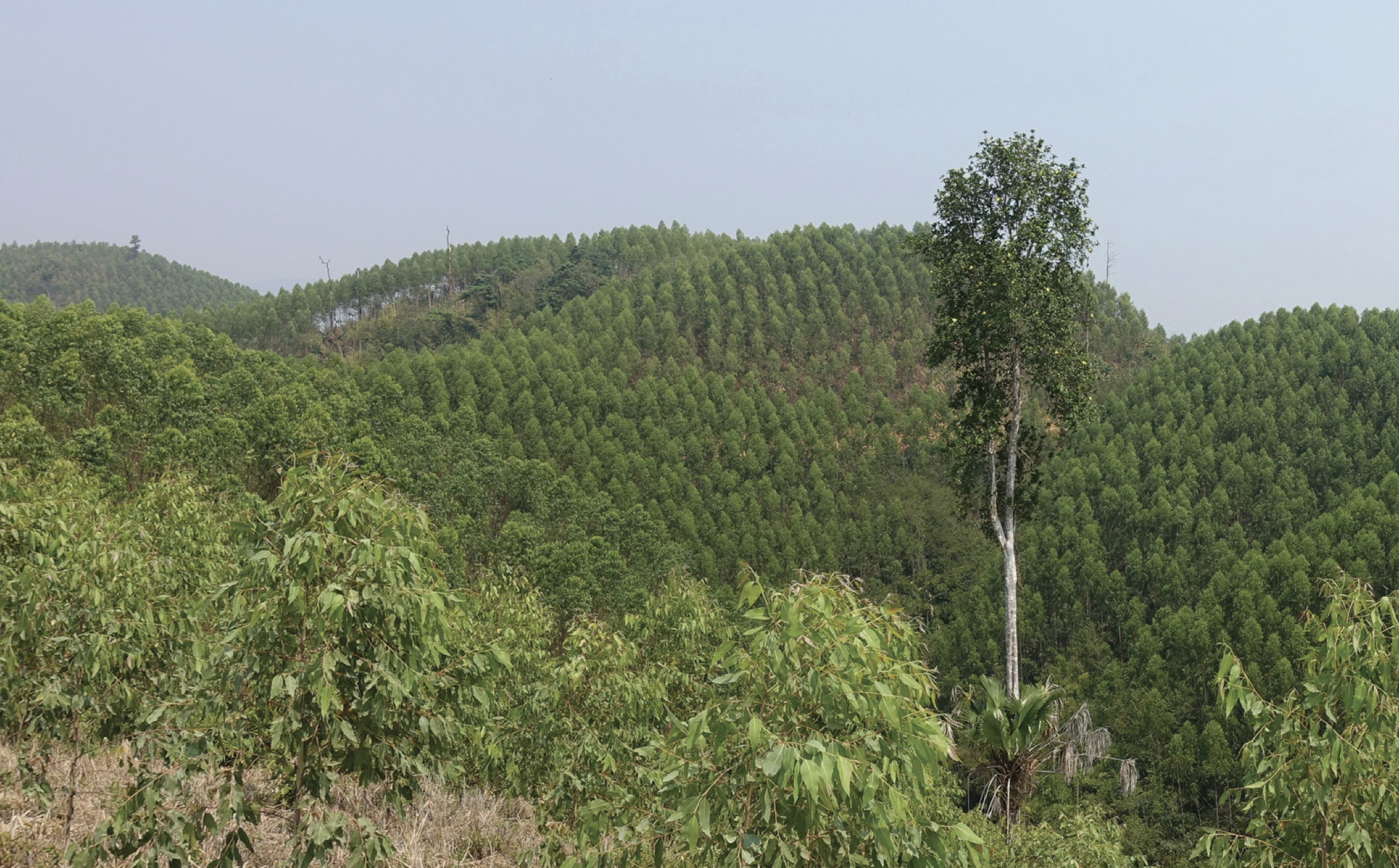
With biological carbon removal projects already receiving large parts of the increasing financial flows towards carbon offsetting, this deal narrative illustrates the ensuing trade-offs and potential benefits using the example of two land deals from the Land Matrix database in Lao People’s Democratic Republic (Lao PDR), commonly known as Laos. To meet the global goals […]
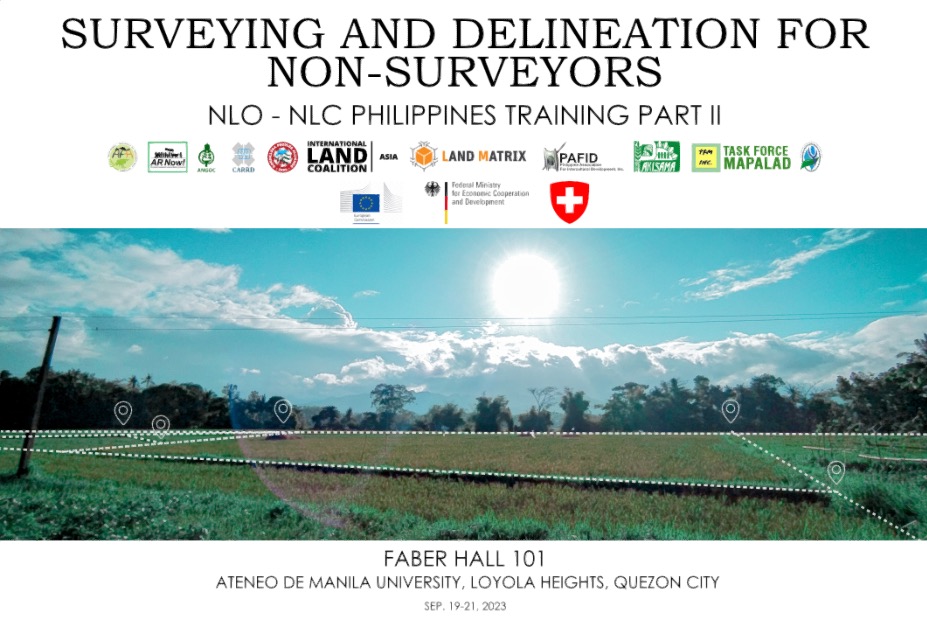
Land conflict issues in the Philippines, especially the problem of overlapping claims on land tenure, have greatly affected smallholder farmers, indigenous peoples, and local communities. The country’s complex history of land ownership, coupled with the rush for land, rapid urbanization and economic development, has led to numerous disputes over land rights. One of the major […]
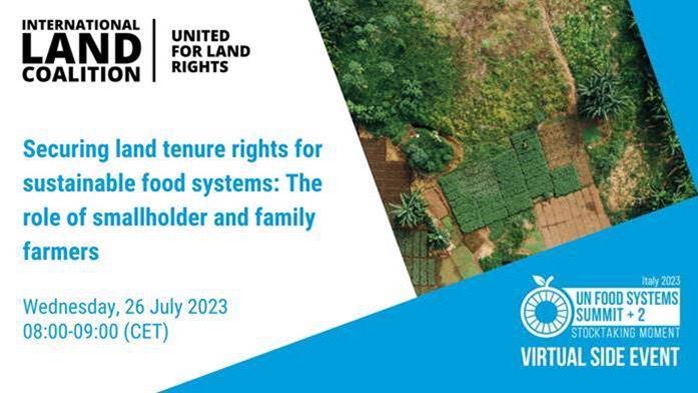
UN Food System Stocktaking Moment Rome, 24-26 of July 2023 REGISTER Family Farming presents the most promising prospects for achieving the required transformation, encompassing production systems and food governance in the context of climate change and interconnected crisis. It entails the transition towards more agroecological and resilient practices, ensuring the preservation of biodiversity, efficient management […]
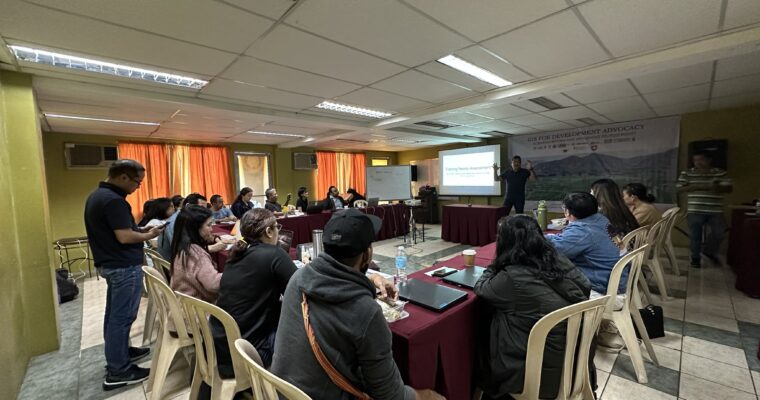
The Asian Farmers’ Association for Sustainable Rural Development (AFA), Pambansang Kilusan ng mga Samahang Magsasaka (PAKISAMA), and the National Land Coalition (NLC) -Philippines, are jointly conducting a capacity-building training on Mapping Tools. The training is supported by the Land Matrix Initiative, with AFA as the regional focal point in Asia and PAKISAMA as the host […]
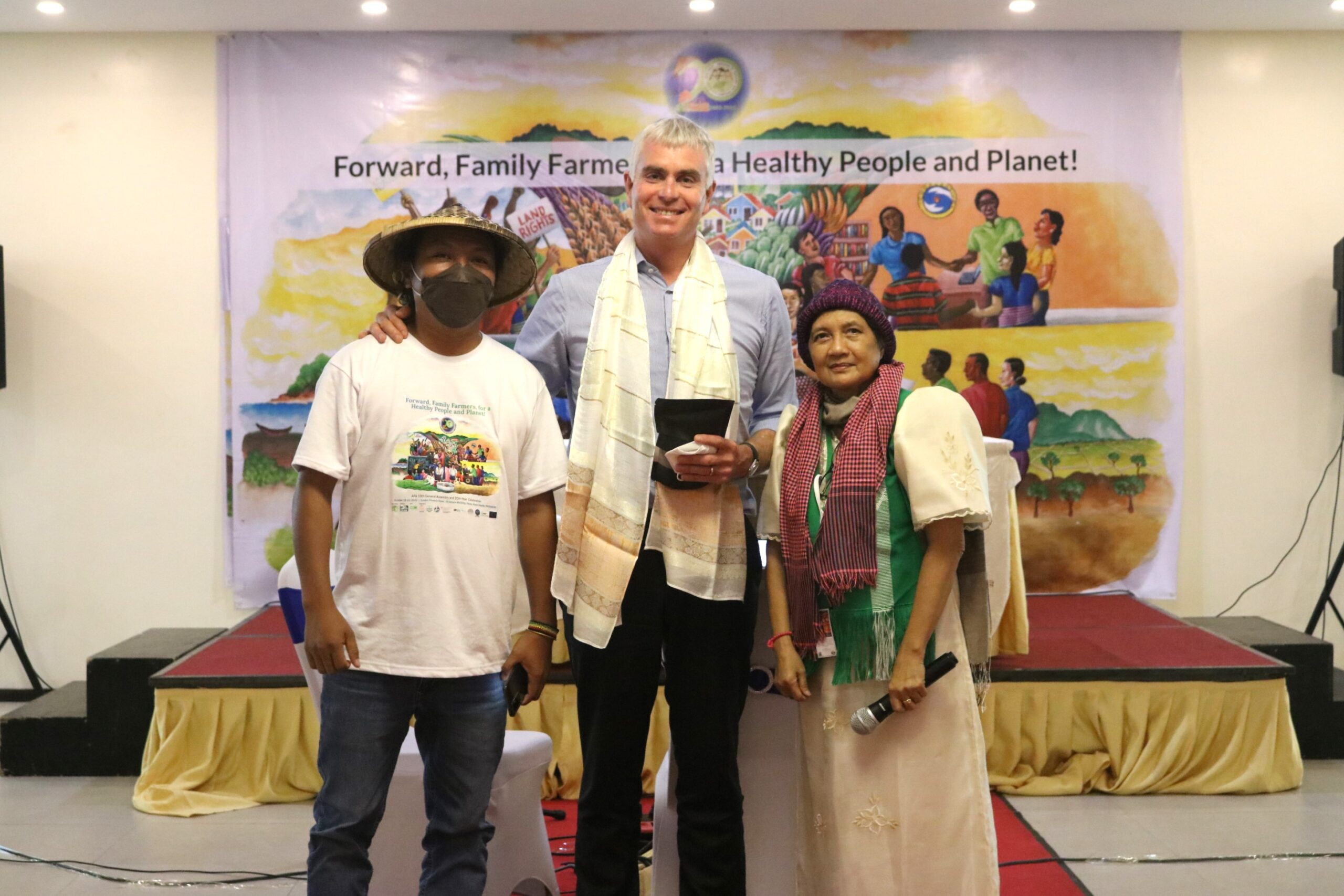
Creating an impact is one thing; but making your impact known is another thing. This was what Mike Taylor, director of the International Land Coalition (ILC), highlighted during his inspirational message in the 20th-year celebration of the Asian Farmers’ Association for Sustainable Rural Development (AFA) last 20 October 2022 at Pasay City, Philippines. The […]