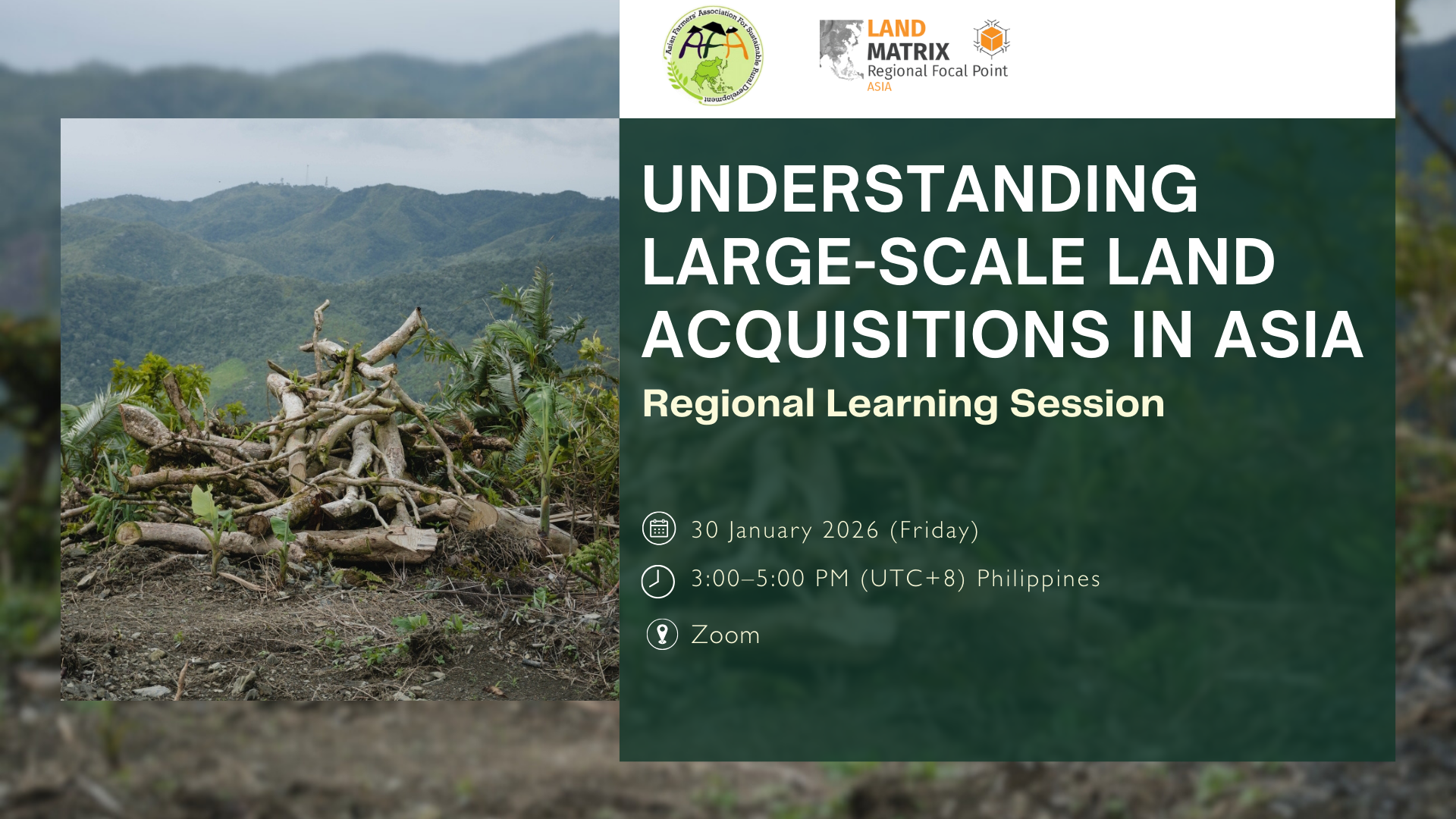
Understanding Large-scale Land Acquisitions in AsiaRegional Learning Session ? January 30, 2026 (Friday)? 3:00–5:00 PM (Manila time)? Via Zoom We invite you to […]
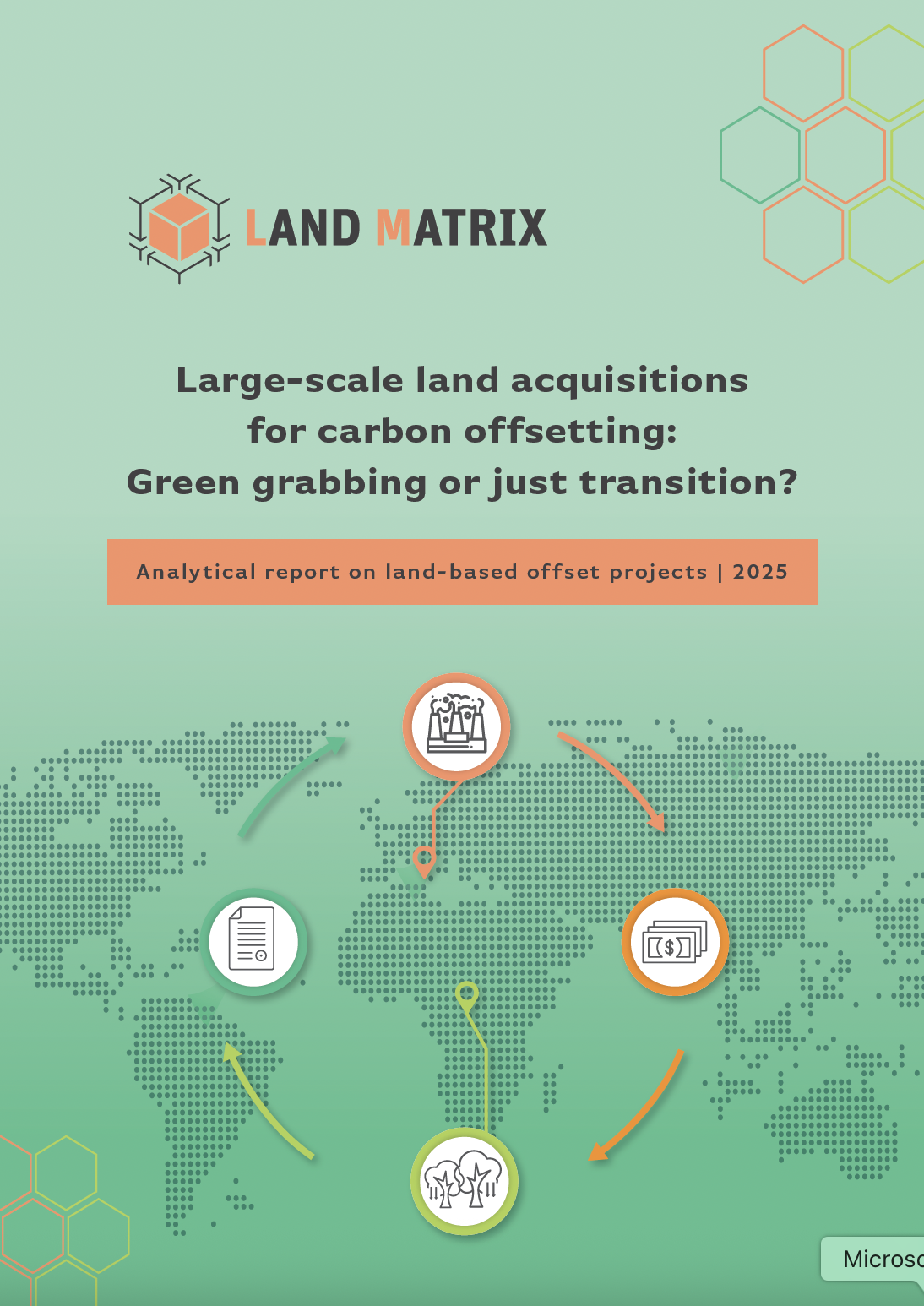
Large-scale land acquisitions for carbon offsetting: Green grabbing or just transition? Analytical report on land-based offset projects The Land Matrix Initiative and […]
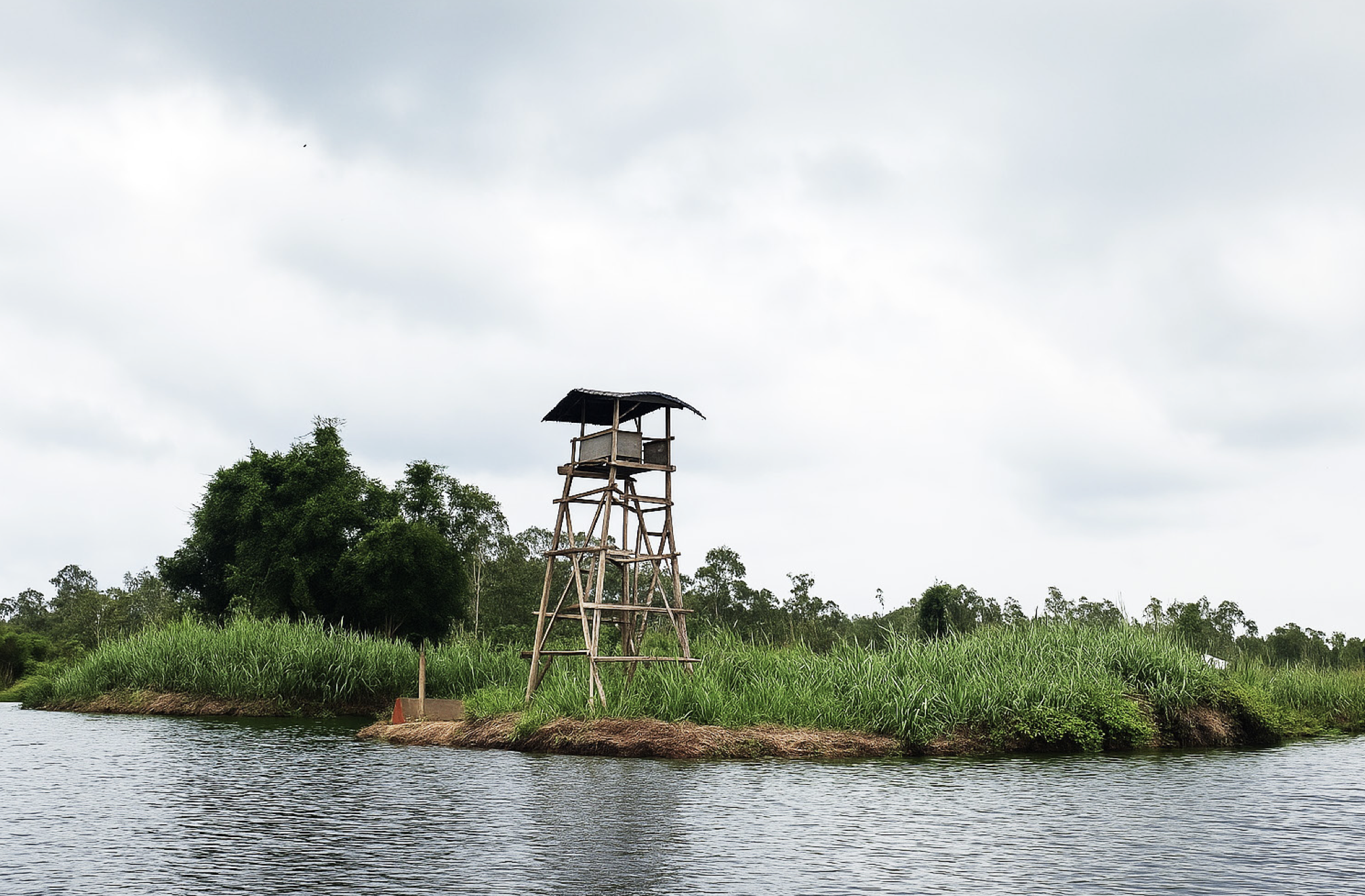
Although land-intensive investment projects have shaped economies and societies for centuries in low- and middle-income countries (LMICs), renewed global attention […]
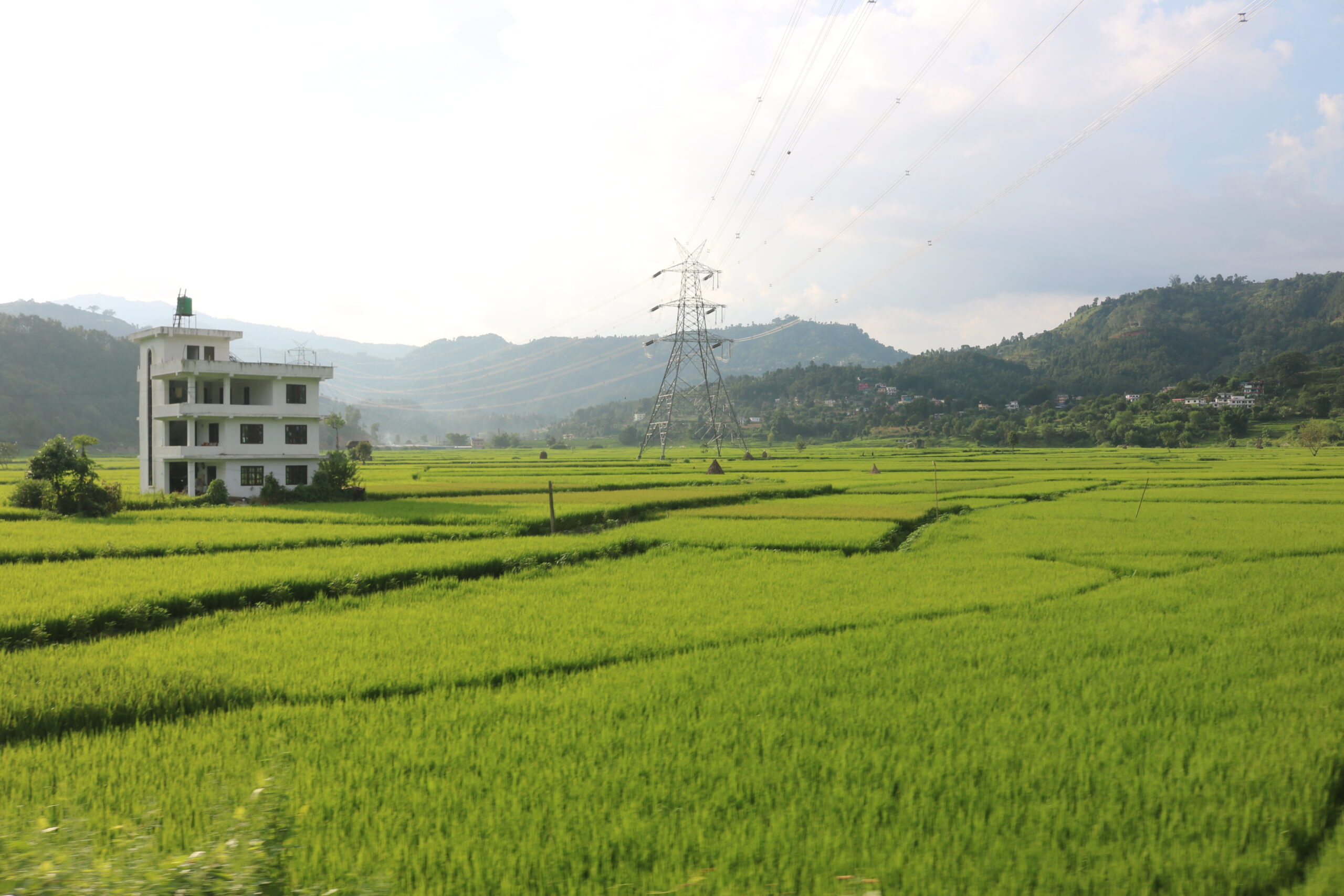
Nepal’s Energy Landscape Nepal’s persistent energy scarcity stems from its heavy reliance on traditional biomass and imported fossil fuels, which […]

The Lao Farmers’ Association (LFA) plans to strengthen farmers’ group networks with the aim of producing quality agricultural products and […]
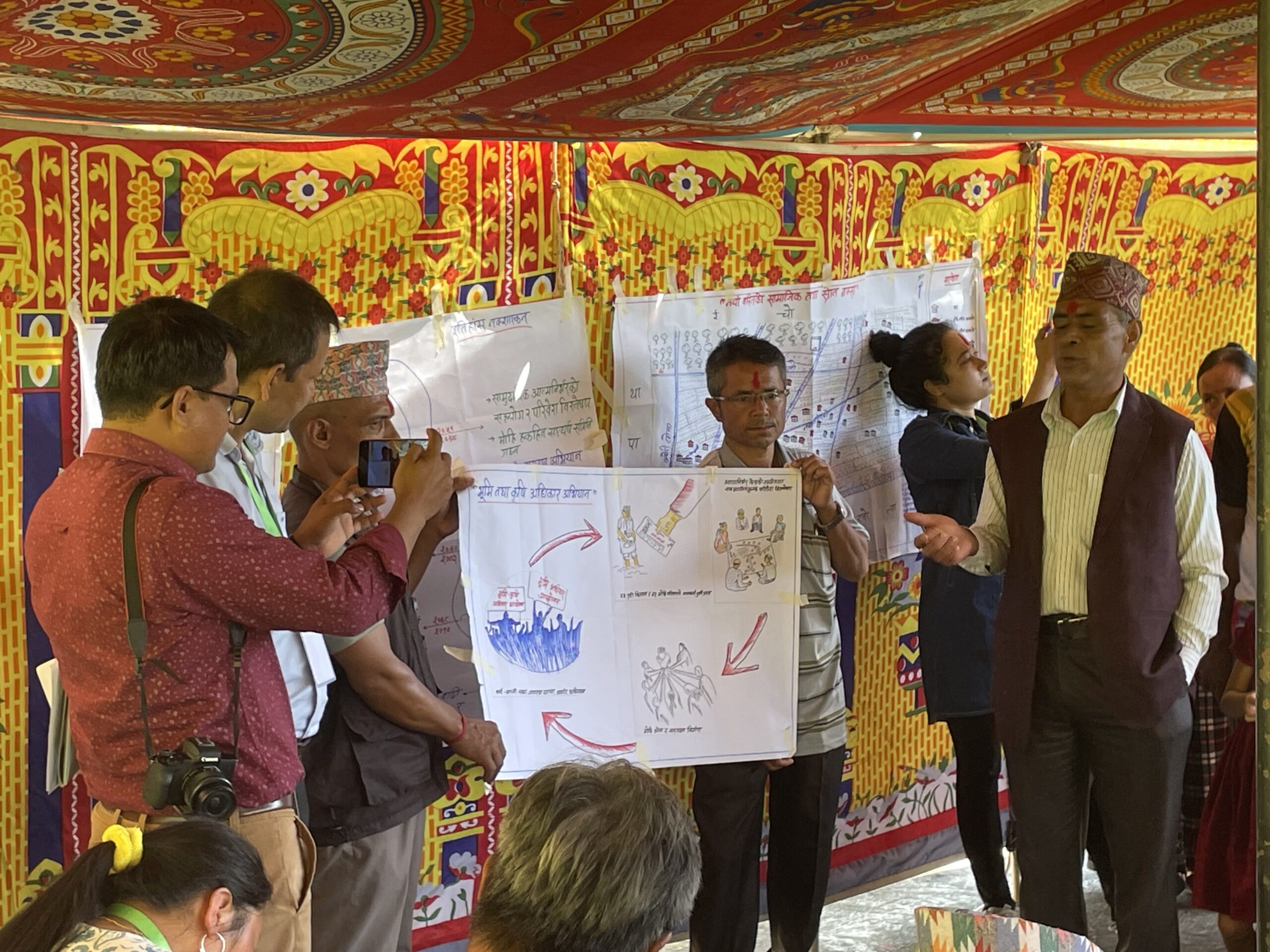
In Helambu Rural Municipality, Ward 6, Nayabasti Tole, Nepal, the Taruke Village Land Rights Forum unites a diverse community of 59 households comprising Magar, Dalit, Brahmin, and Chhetri families. Once landless, these residents now practice sustainable farming, growing staple crops like paddy and engaging in vegetable cultivation and livestock rearing. This shift highlights their commitment to diversified and sustainable agriculture.
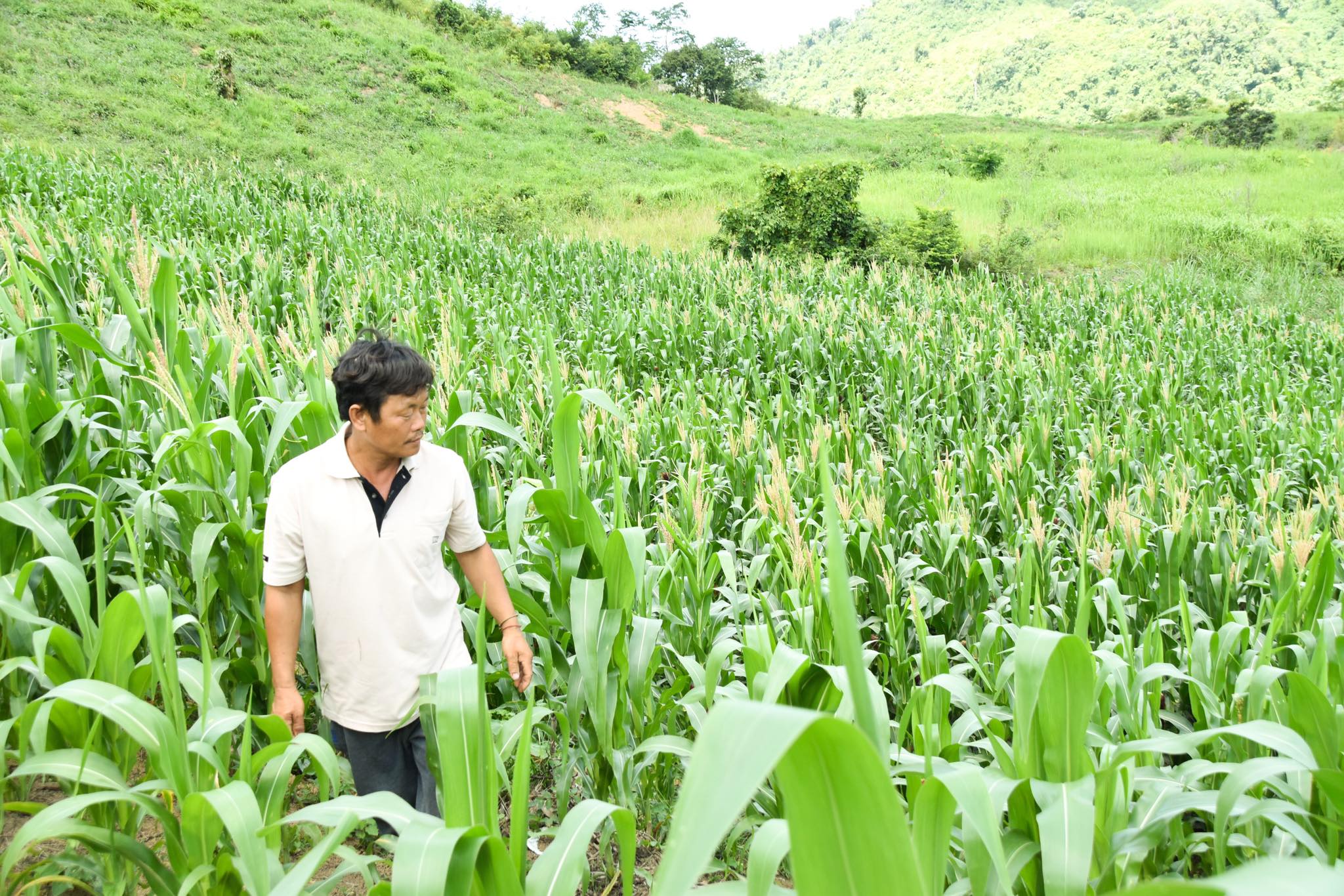
Vietnam's ecologically sensitive wetlands, which produce much of the country's food staples, including rice, fish and fowl, are now beginning to suffer the effects of over-exploitation.
''Environmental protection and economic development sometimes contradict each other,'' Deputy Minister of Natural Resources and Environment (NRE) Pham Khoi Nguyen said, spelling out the government's dilemma.
But Nguyen indicated that the time had come for drastic measures to protect a vast region of shimmering paddies and mudflats, stretching from the Red River valley in the north to the Mekong Delta in the south, which ''plays a crucial role in ensuring the national food supply but is also home to delicate ecosystems''.
The Asian Farmers Association for Sustainable Rural Development (AFA) will be conducting an in-person training to capacitate its country data […]