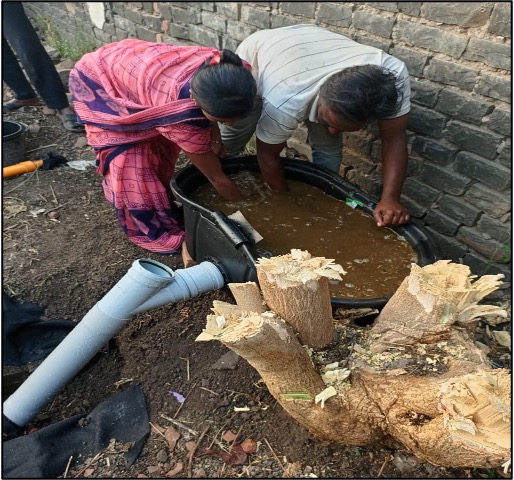
Maharashtra, India – The Self Employed Women’s Association (SEWA) has pioneered a biogas success story in Ballal village, Bhokar Block, […]
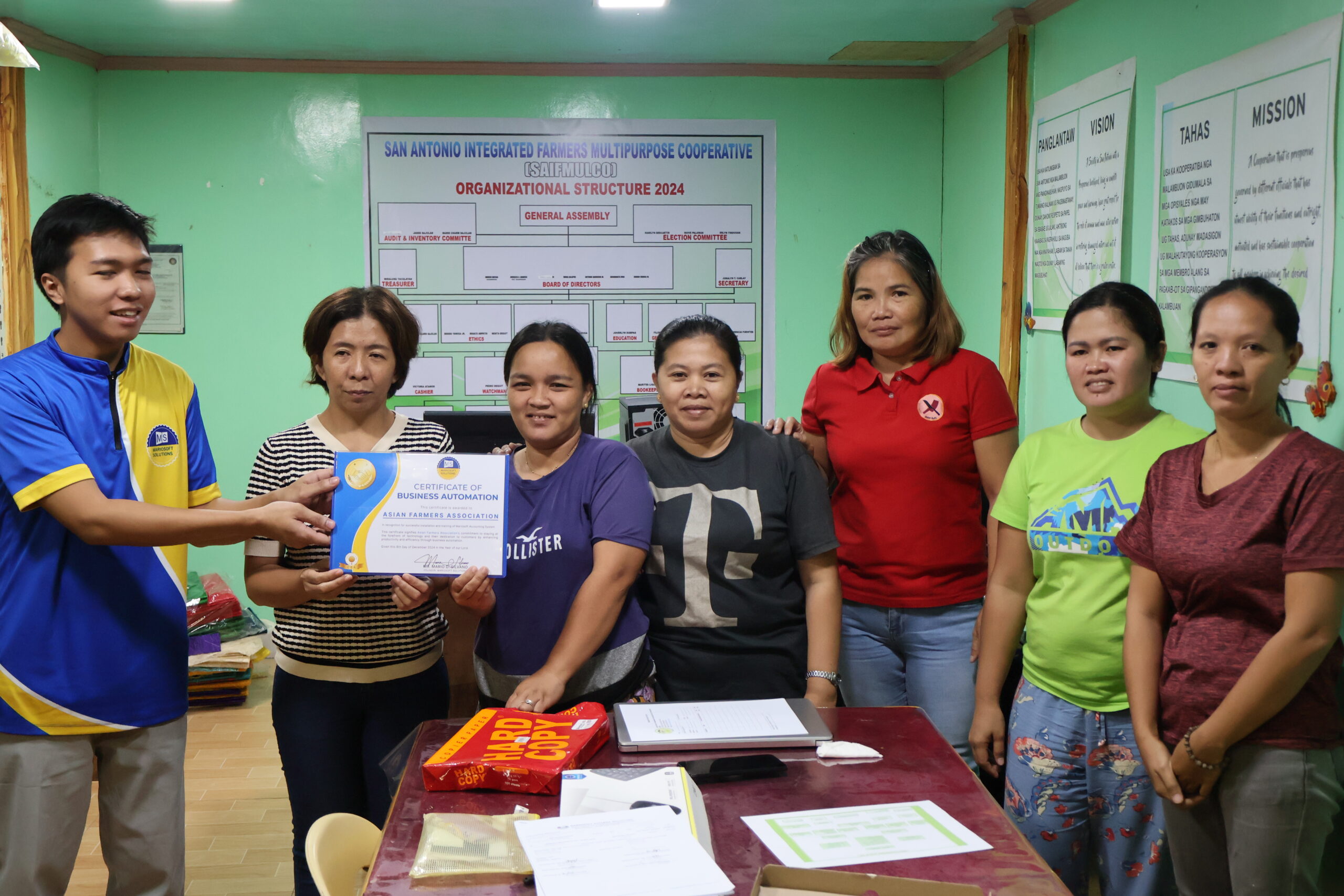
Agusan del Sur, Philippines — Two agricultural cooperatives in Region 13 reached a new milestone in digital transformation with the […]
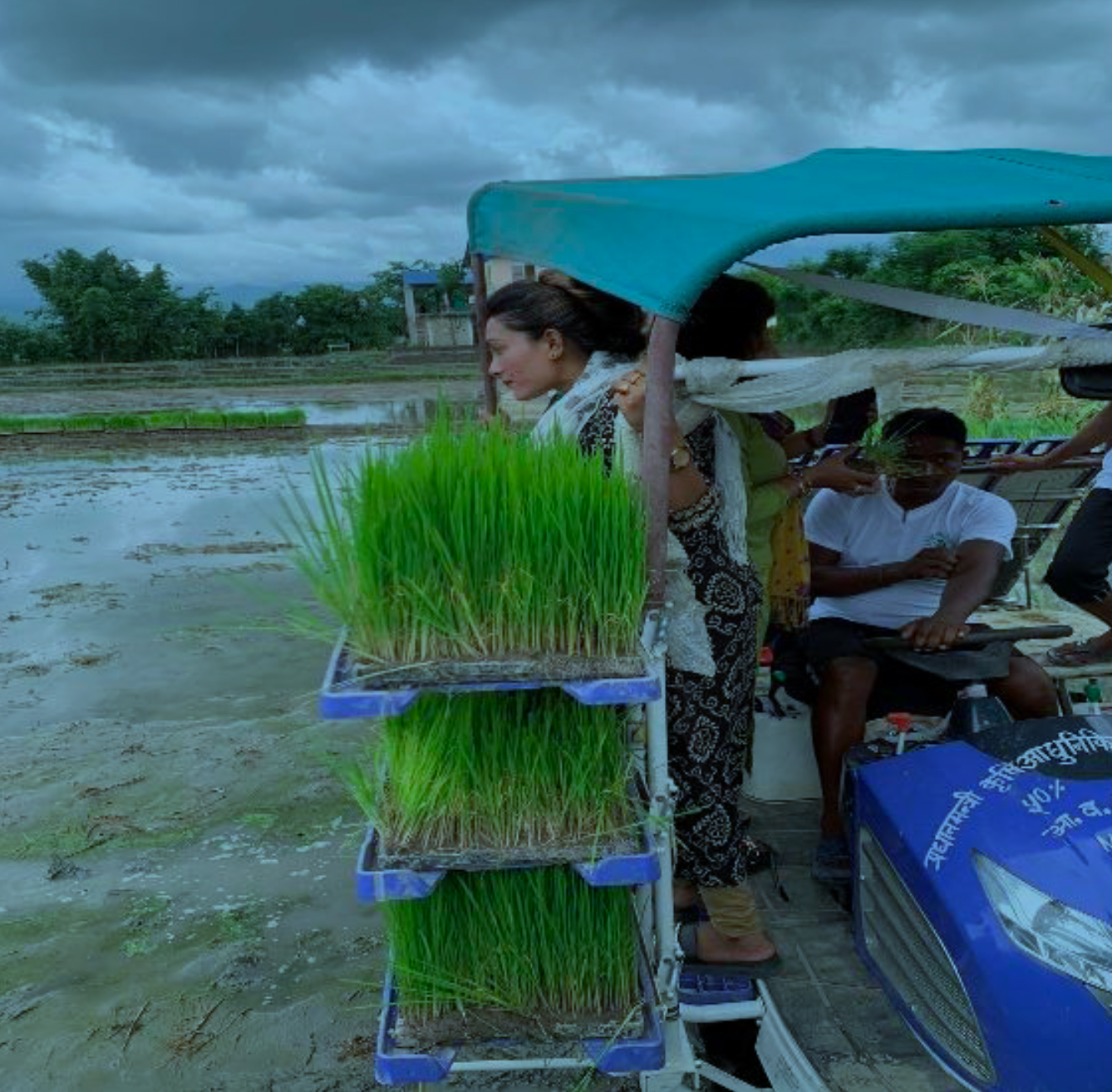
Rice is the most important crop in Nepal, accounting for about 50% of the country’s total agricultural area and production […]
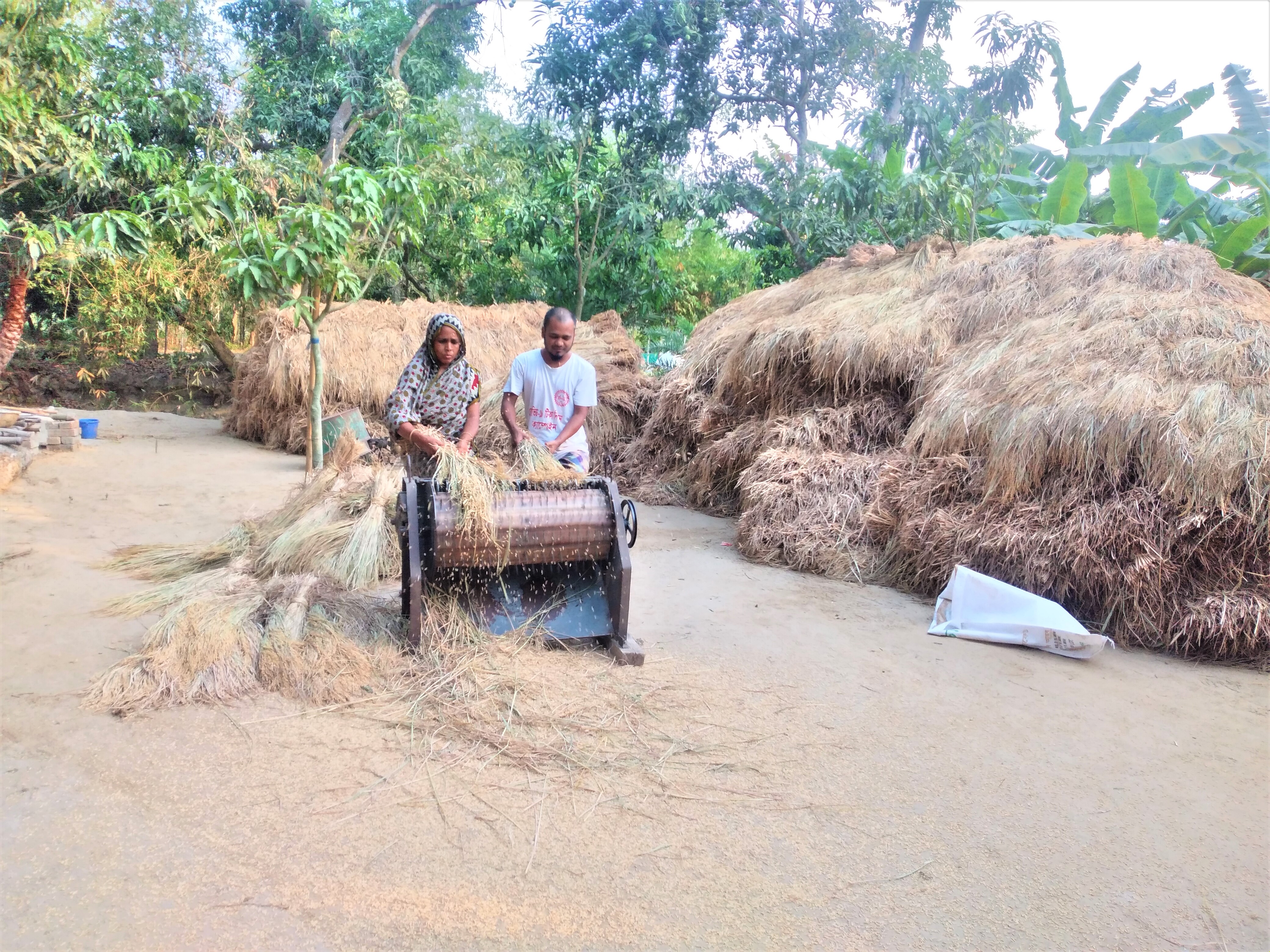
The $250,000 World Food Prize, considered by many the Nobel Prize of food and agriculture, was awarded today to an Indian scientist credited with launching a "blue revolution" (a rapid increase in fish production) in the developing world.
Modadugu Gupta has spent 30 years creating a cheap and ecologically sustainable system of small-scale fish-farming using abandoned ditches and seasonally flooded fields and water holes smaller than the average swimming pool.
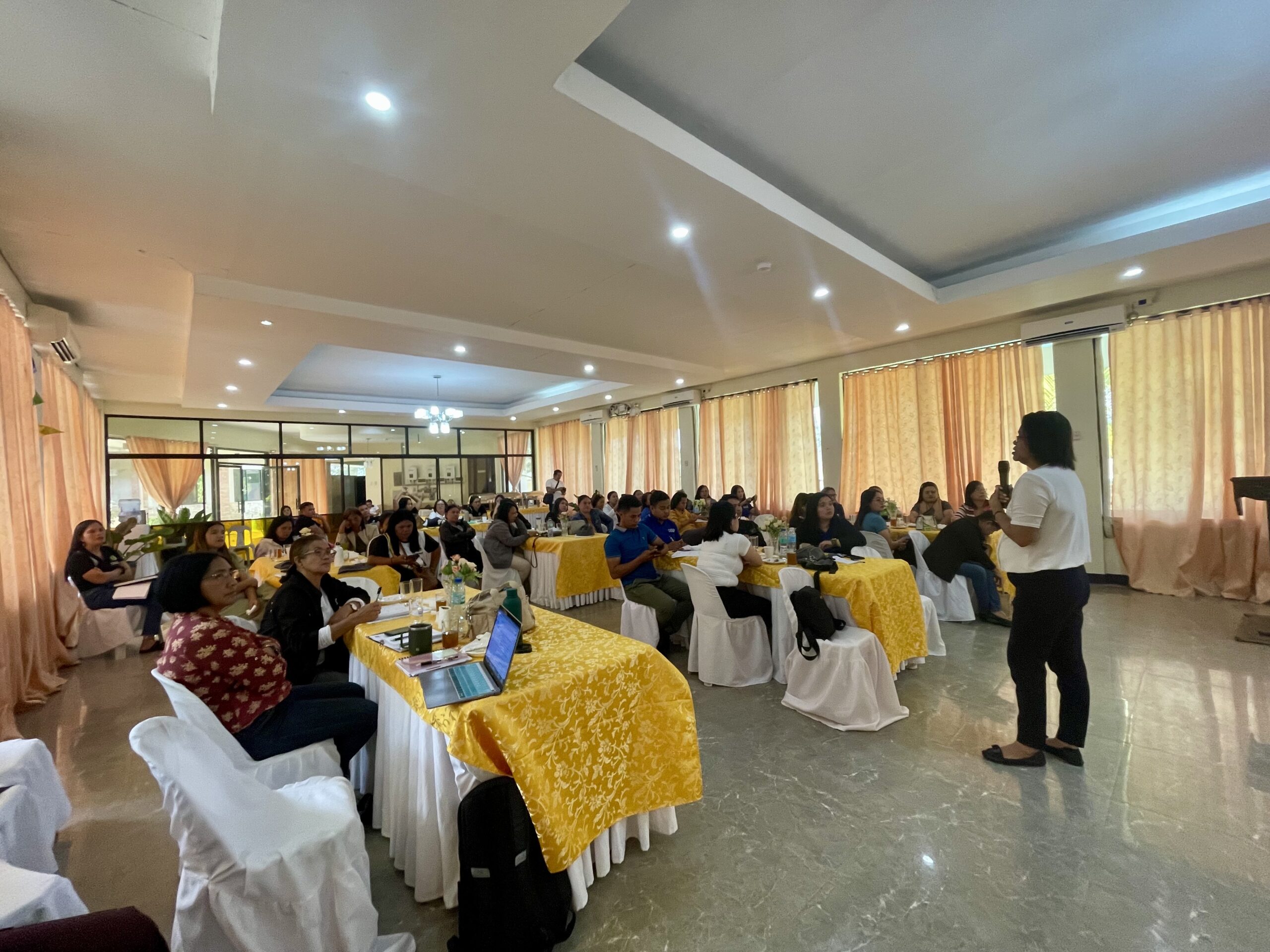
One of the important recent concepts in agricultural development has been the concern for sustainability. This concern originated with the high tech, high input and high yielding systems of the developed world and its meaning and appropriateness to the developing world. The presentation represents some reflections on the application of sustainability to the developing countries of Asia.
Sustainable agriculture is defined as agriculture that balances the need for essential agricultural commodities such as food, fibre, etc. with the necessity of protecting the physical environment and public health, the foundation of agriculture.

Nine representatives from the Asian Farmers’ Association (AFA) member farmers’ organizations and AFA Secretariat, namely Mr. Lilaraj Raut, AFA […]
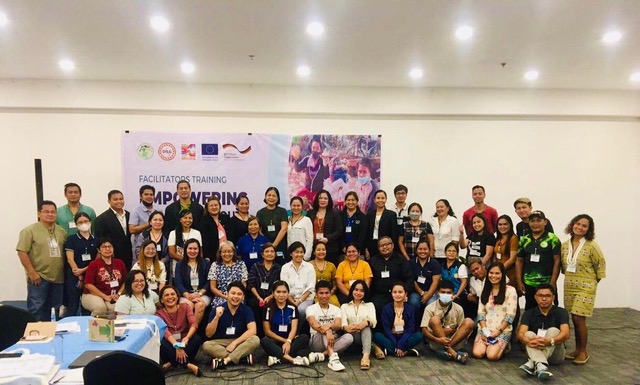
May 31, 2023. The Asian Farmers’ Association for Sustainable Rural Development (AFA) started its first of a series of Mindanao-wide […]
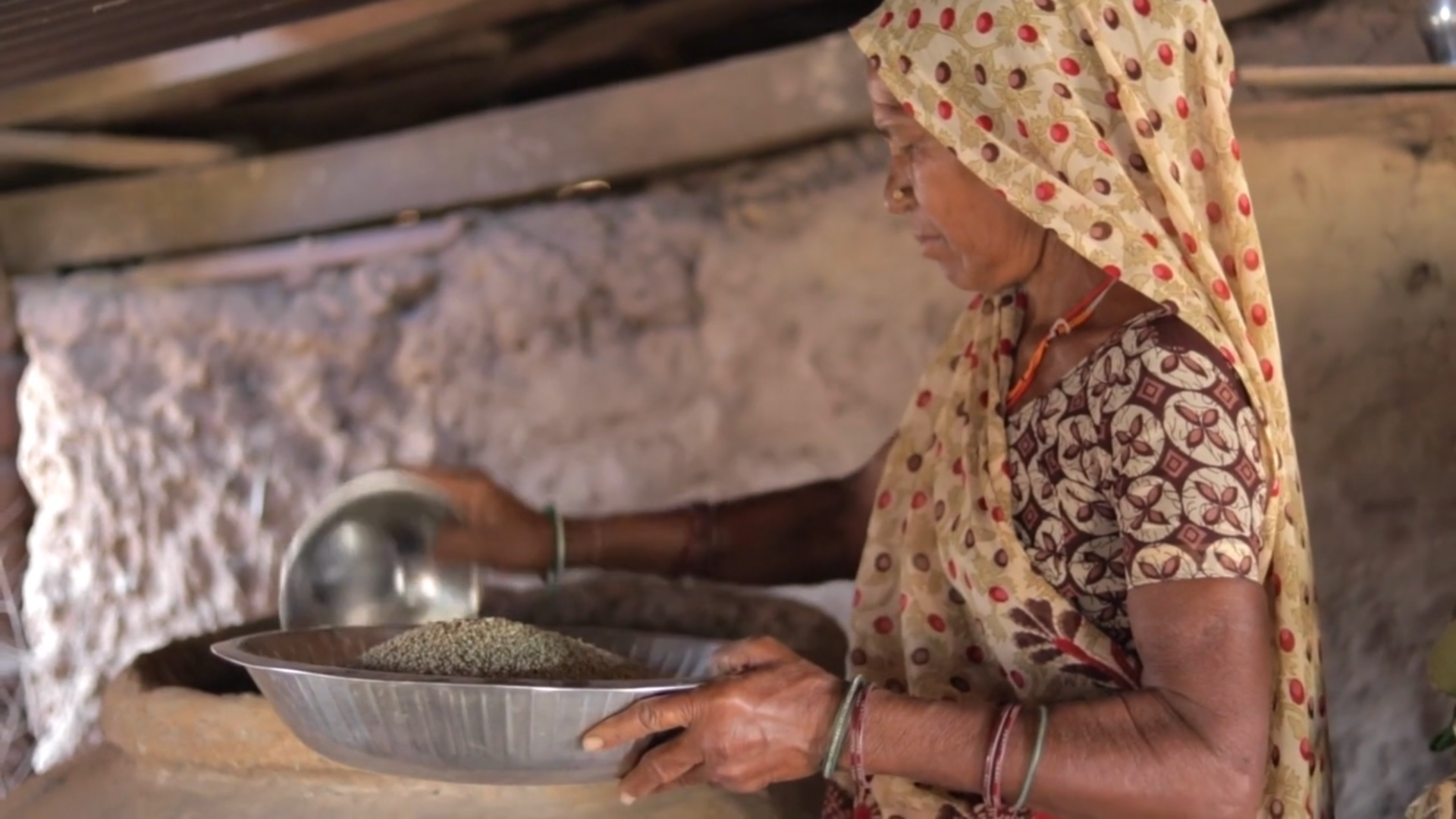
Coarse grains, like bajra and jowar, have been enduring staples in the diets of many Indians, often cultivated by small […]