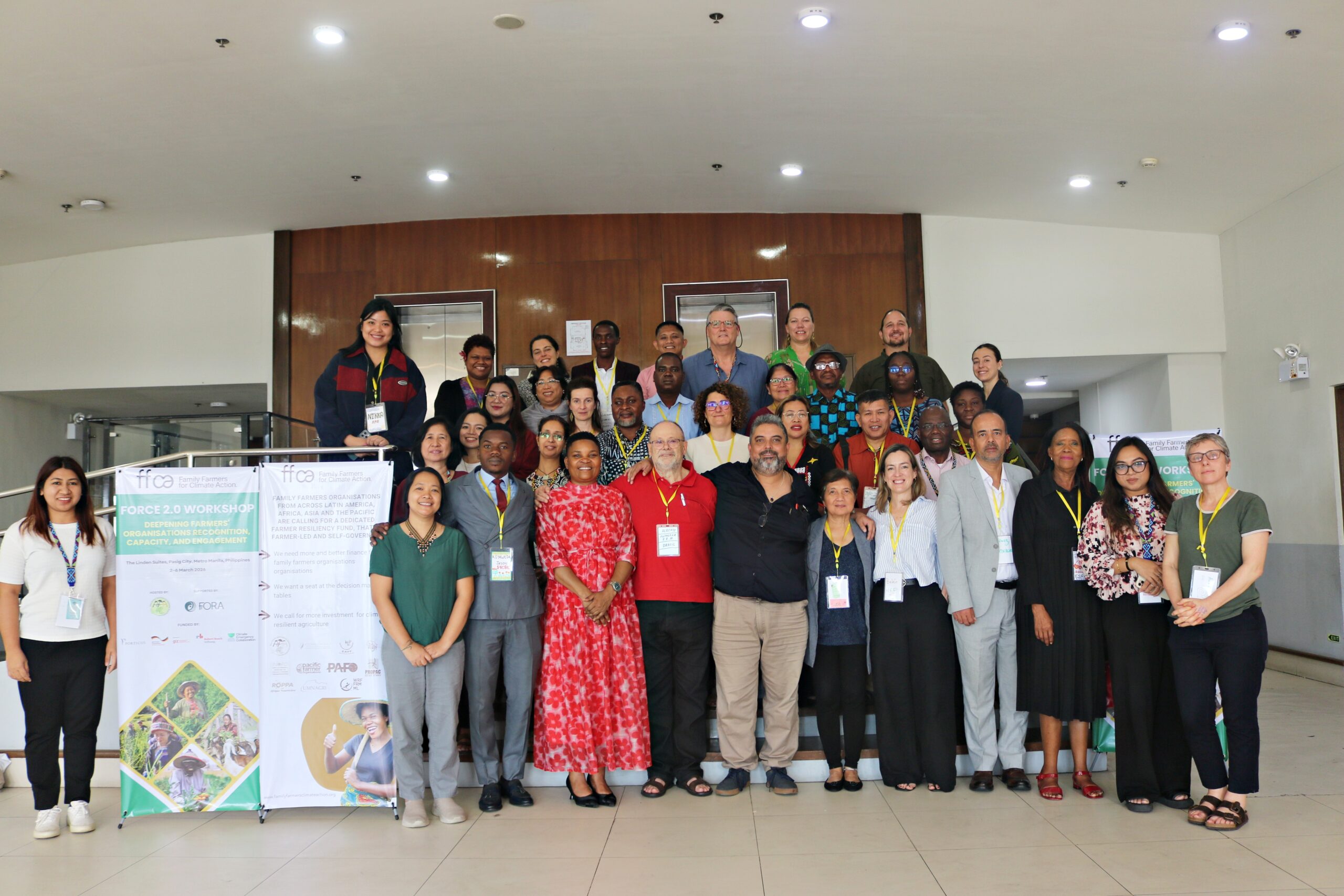
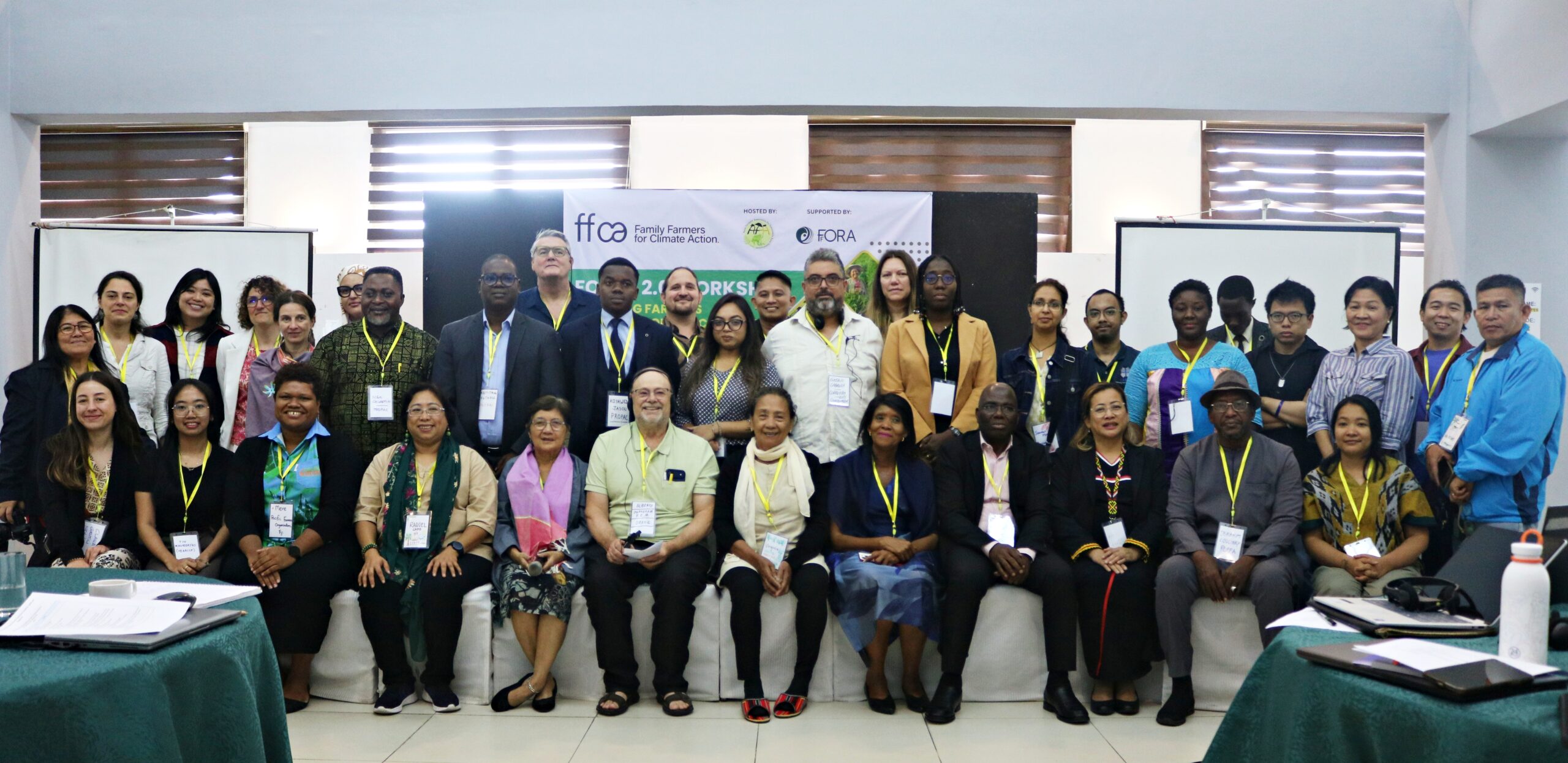
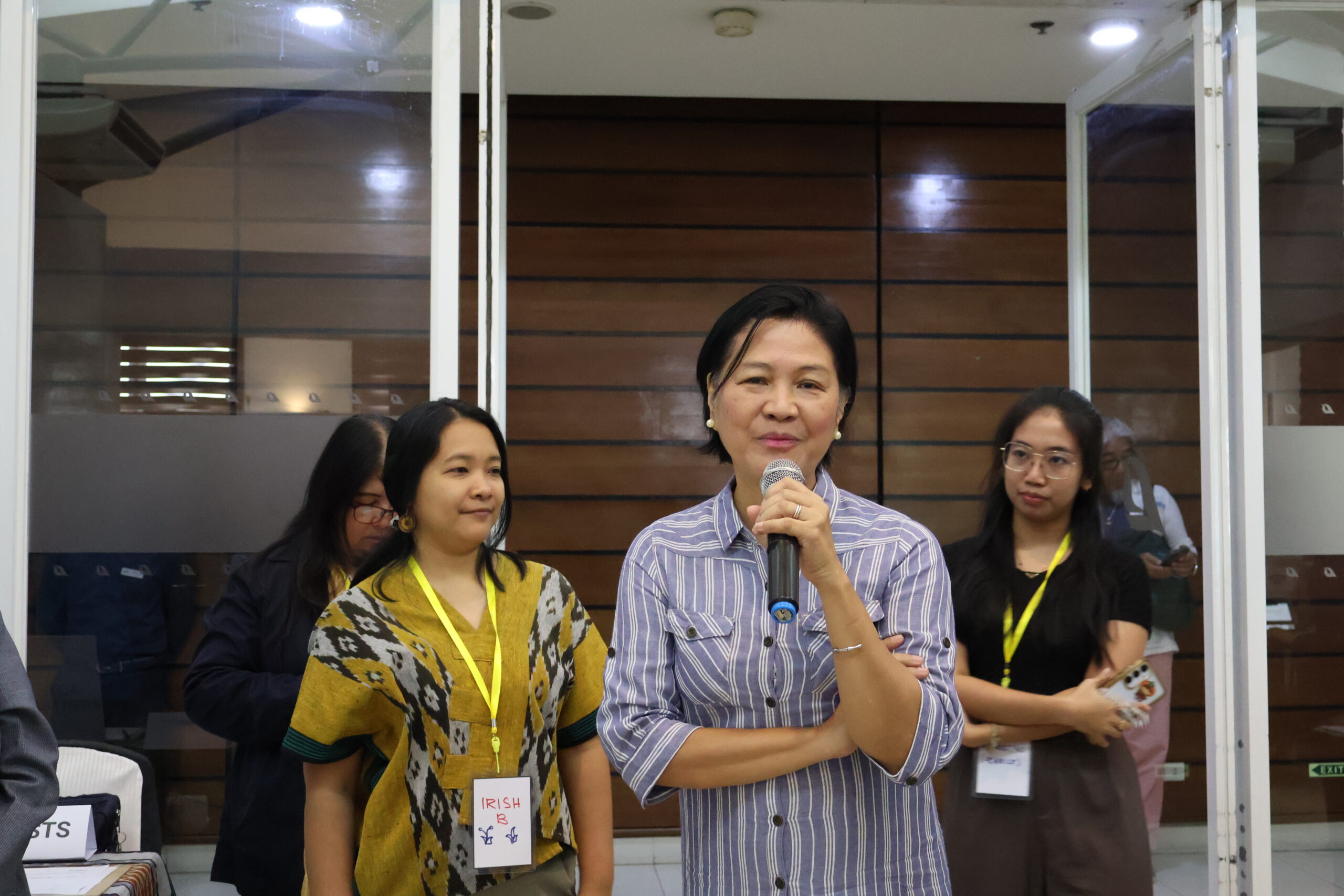
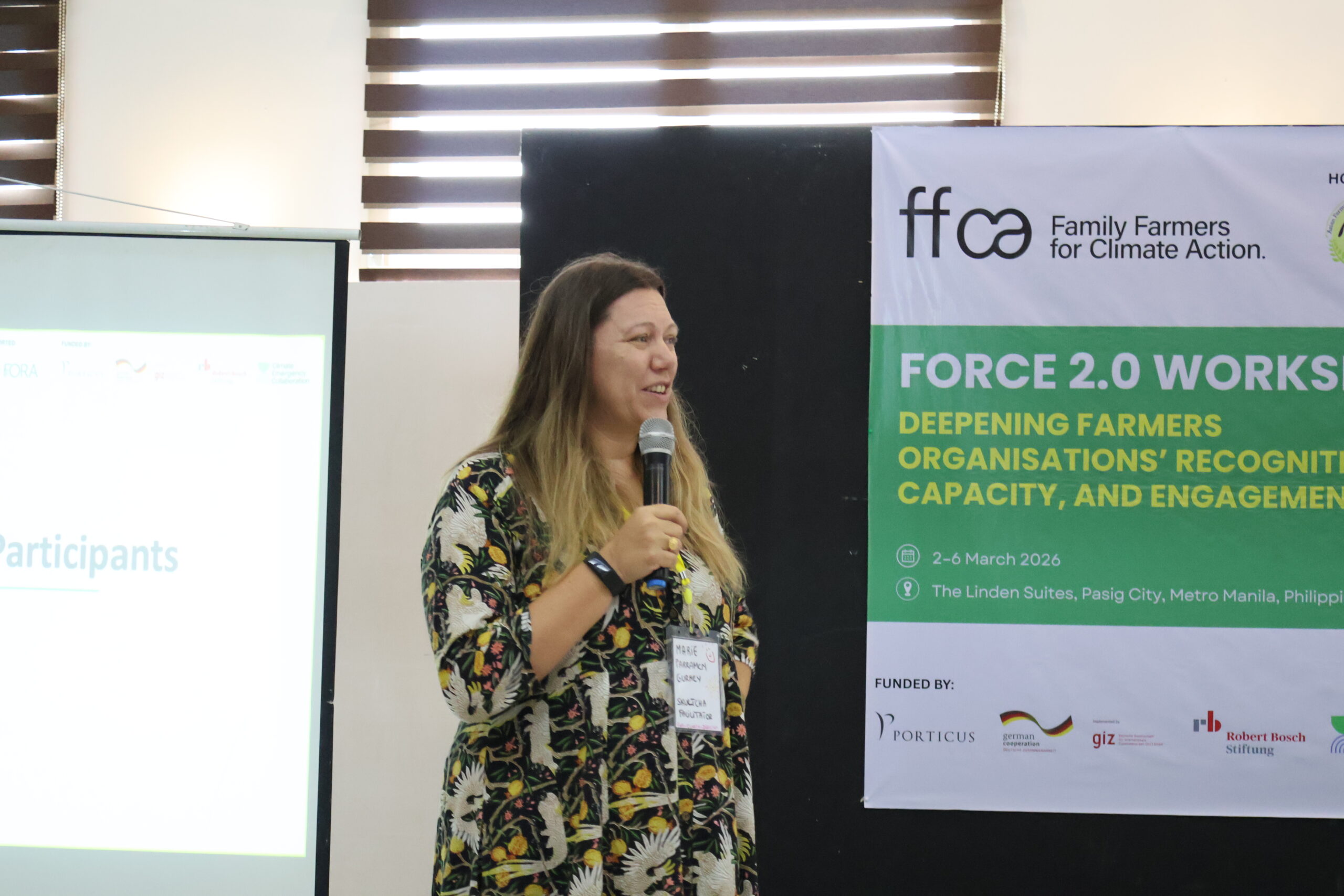
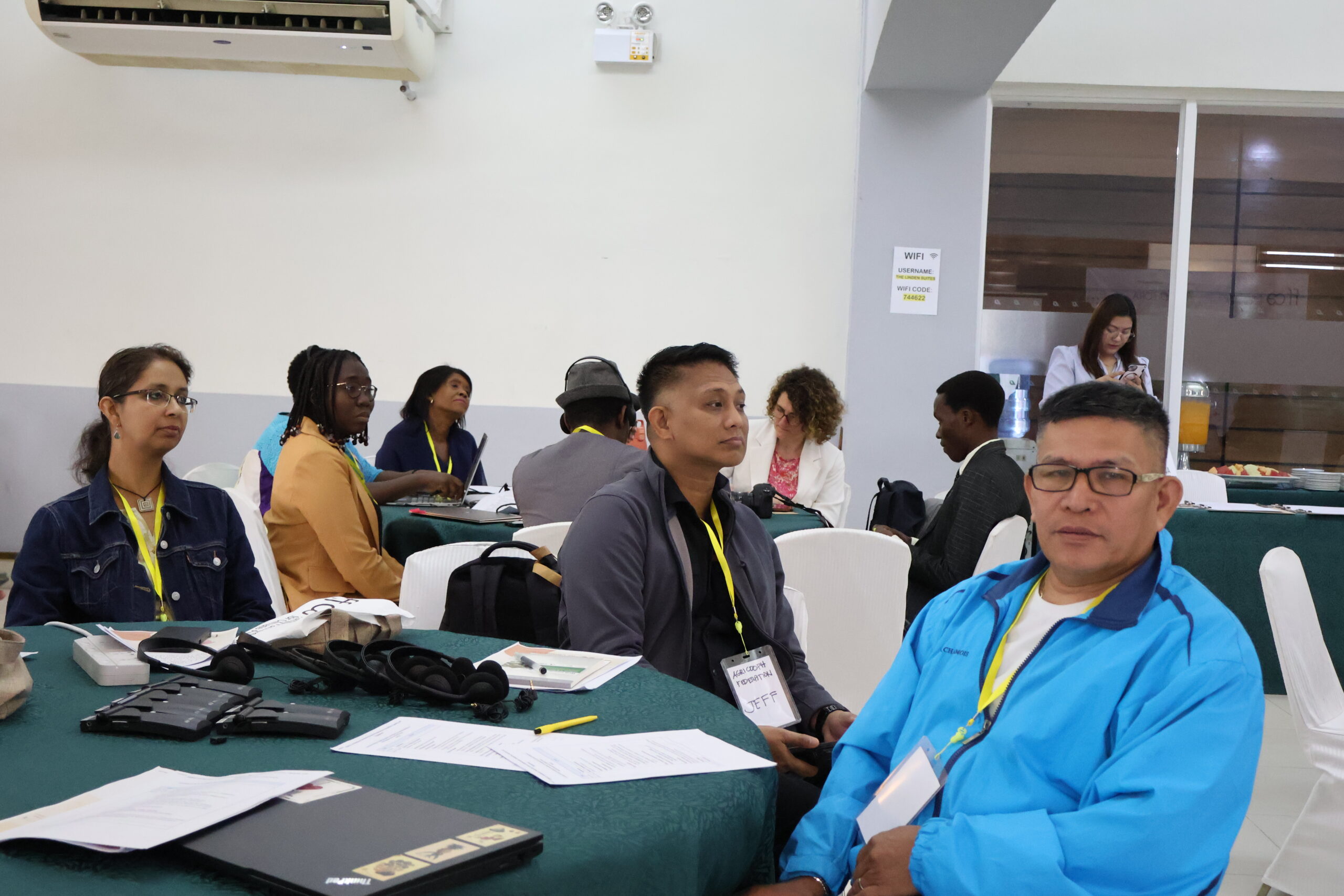
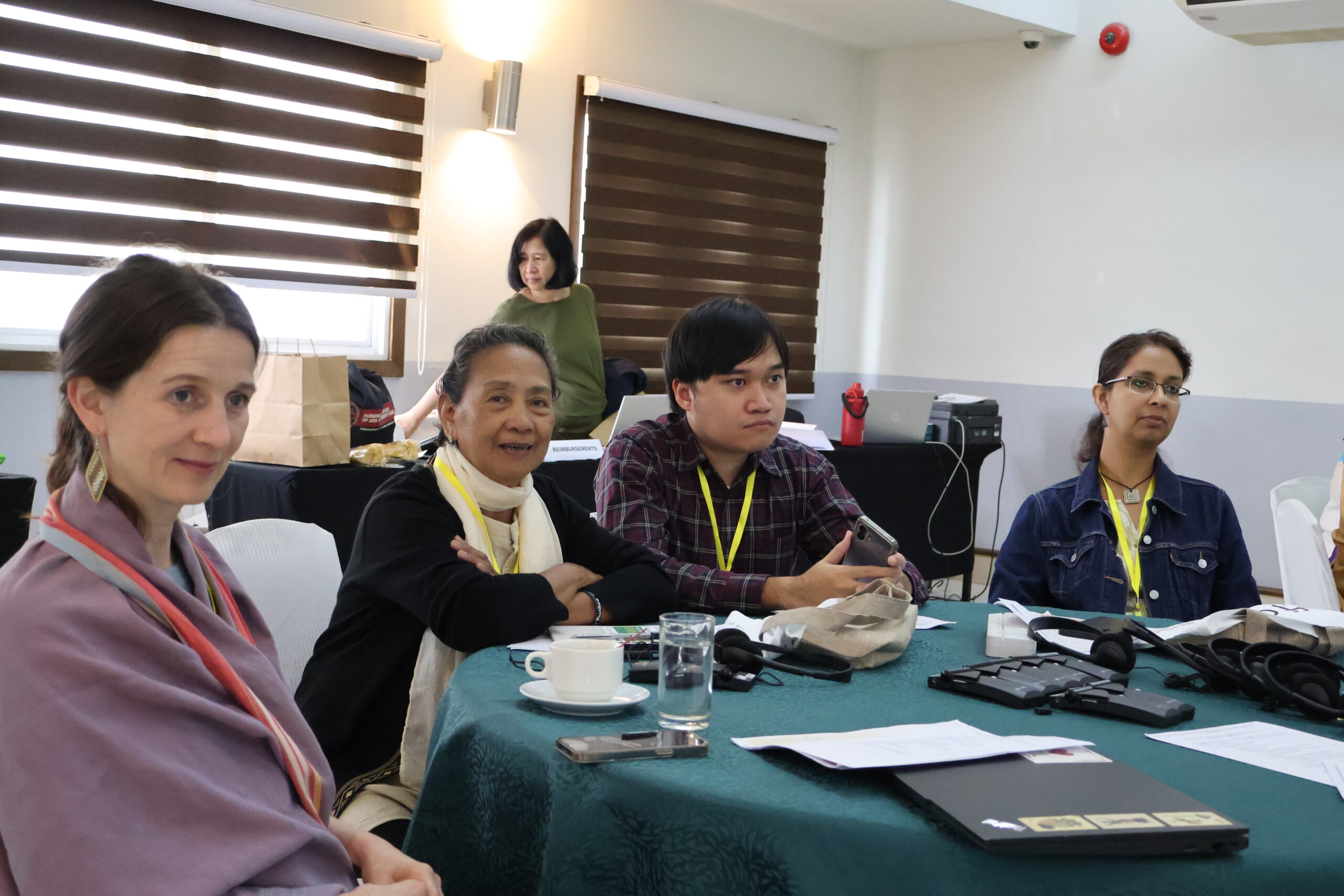
Pasig, Metro Manila, Philippines — Leaders of farmer organizations, climate advocates, and development institutions from across the globe gathered from 2-6 March 2026 for the FORCE 2.0 Workshop, which aimed at strengthening the role of family farmers in climate action and improving their access to climate finance.
Bringing together representatives from 18 national, regional, and global organizations, collectively representing over 95 million small-scale farmers, the workshop underscored a clear message: those most affected by climate change must have a stronger voice in shaping its solutions.
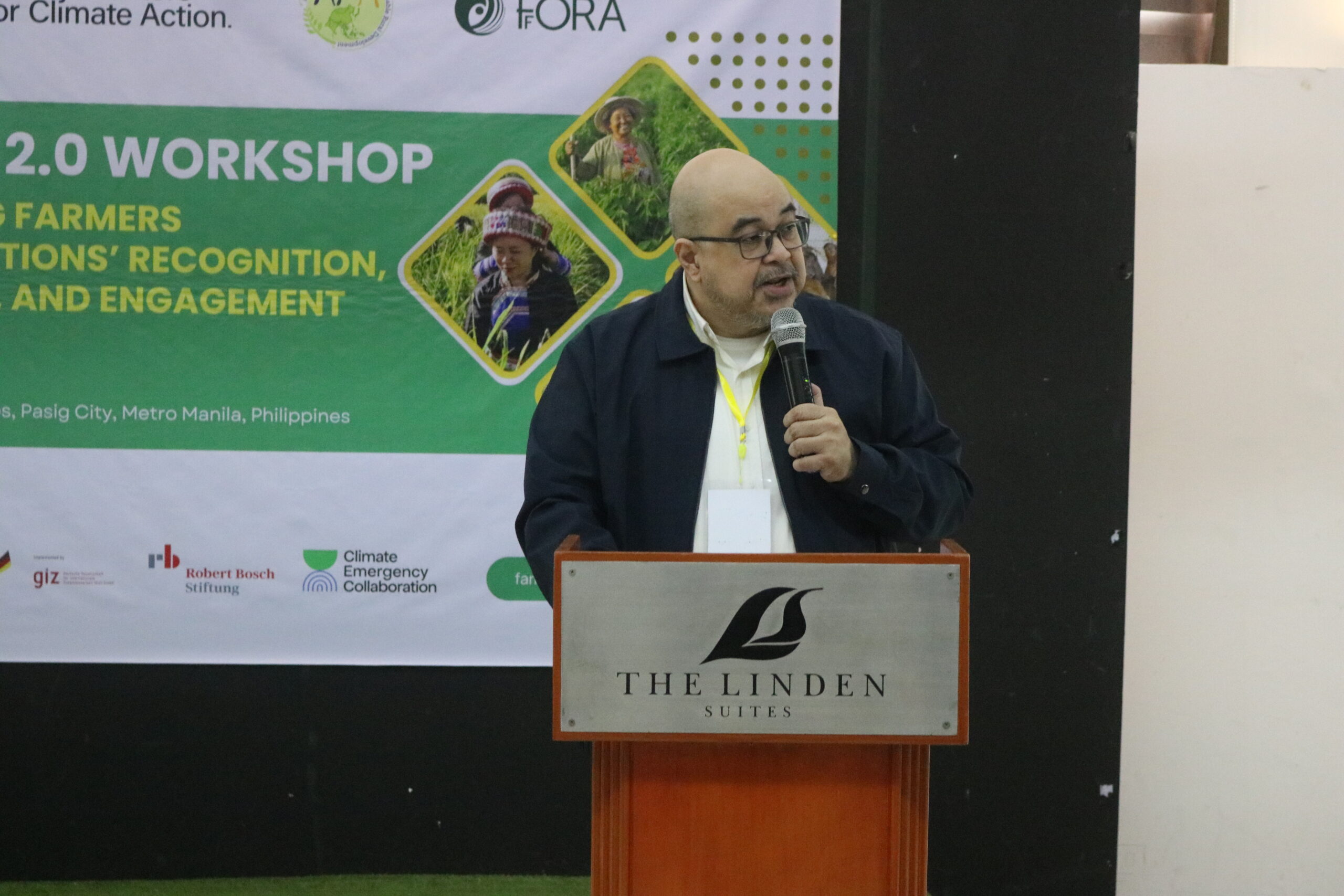
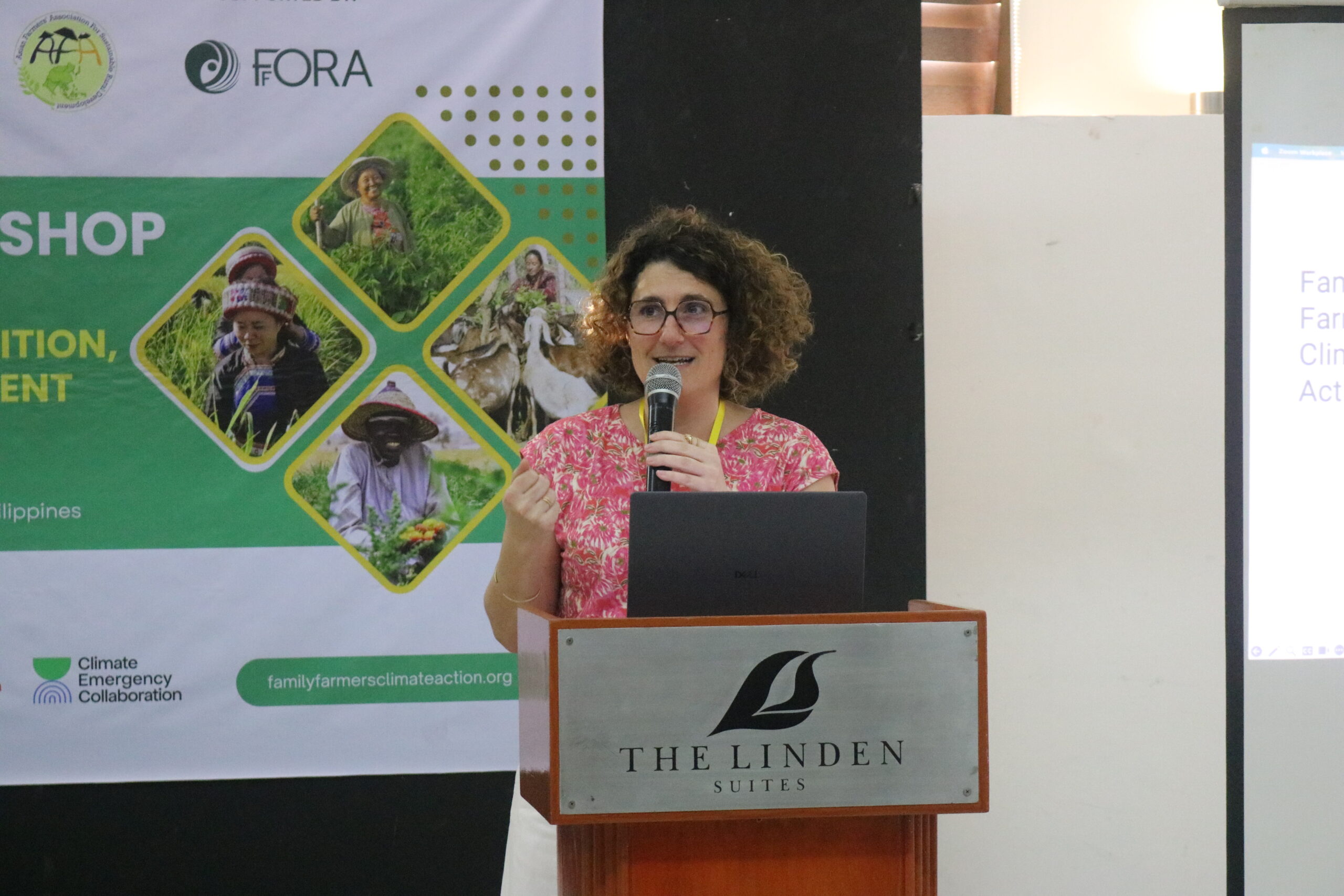
In their keynote messages, Assistant Secretary Romel Antonio Cuenca of the Philippines Climate Change Commission and Pip Turnell Bougard of the International Fund for Agricultural Development (IFAD) emphasized the urgent need to make climate finance more accessible to family farmers. Both highlighted that while smallholders are on the frontlines of climate impacts, they remain largely excluded from global financing mechanisms.
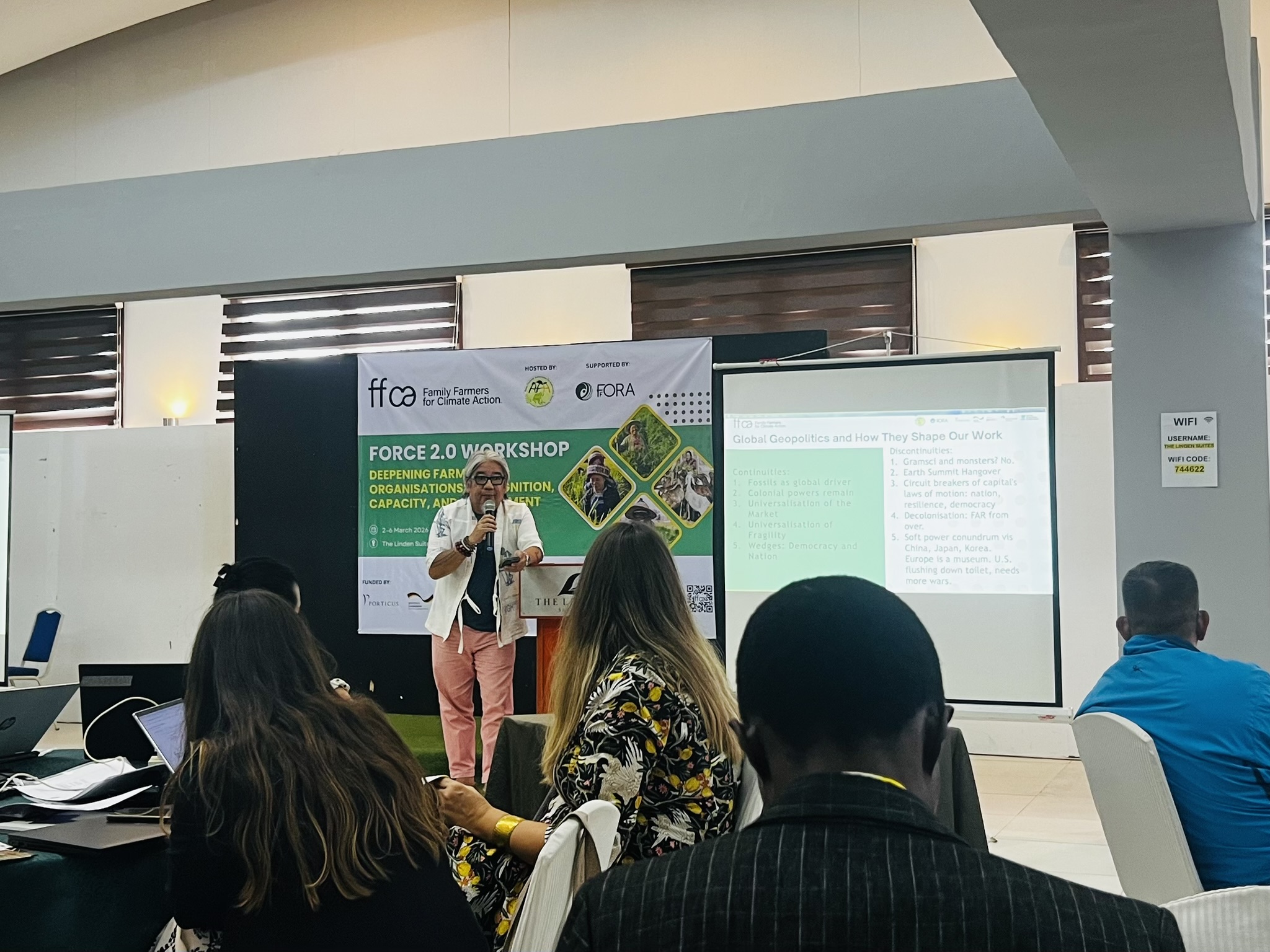
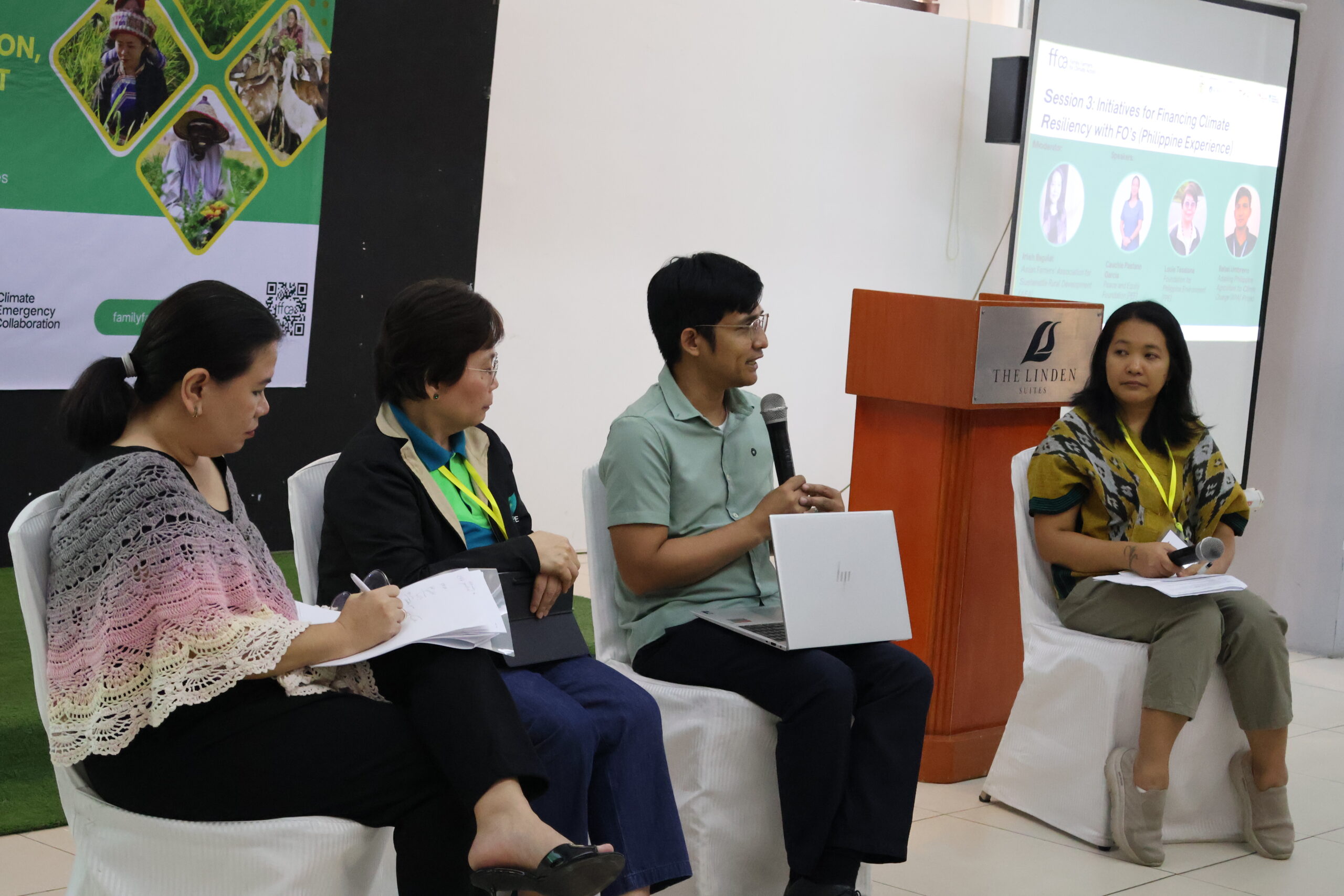
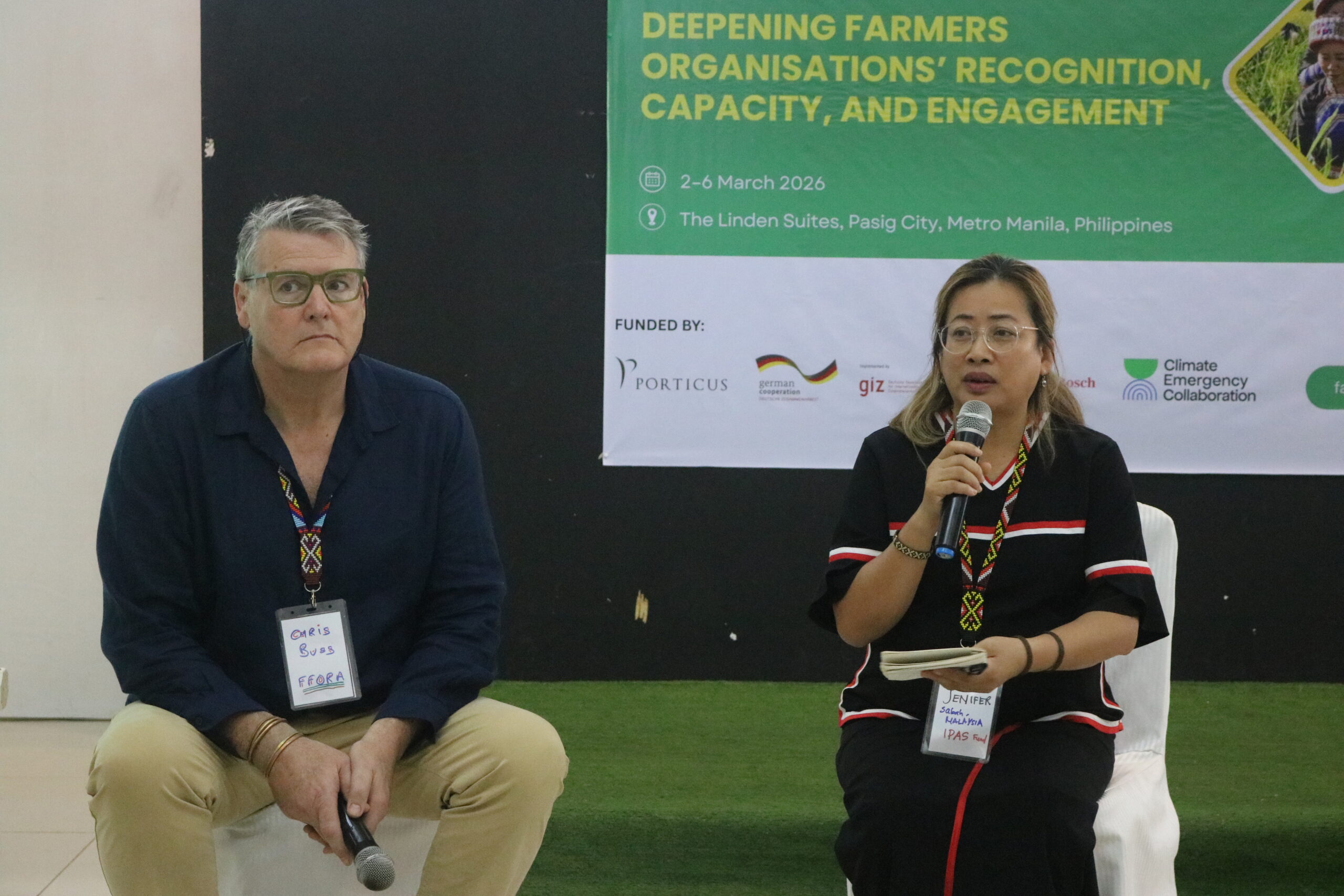
The first day of discussions focused on unpacking the broader geopolitical and financial landscape shaping climate action. Climate policy expert Red Constantino explored how historical and ongoing global dynamics, including dependence on fossil fuels, colonial legacies, and market-driven systems, continue to influence climate finance flows. His presentation emphasized the importance of historical awareness in crafting more equitable solutions.
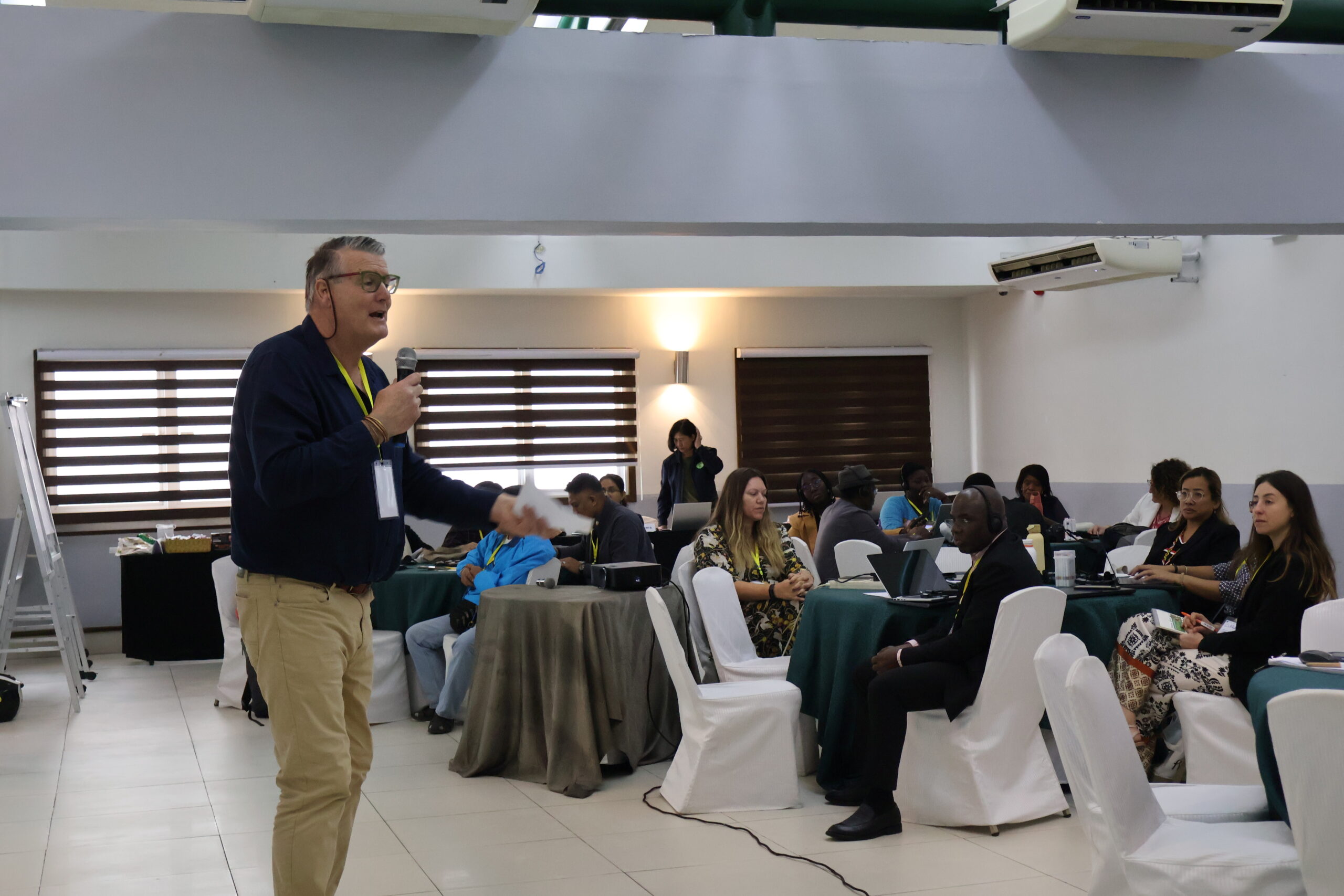
Meanwhile, Beau Damen of the Food and Agriculture Organization (FAO) highlighted a stark imbalance: despite producing a significant portion of the world’s food, family farmers receive only a fraction of global climate finance. He stressed that agriculture, particularly smallholder farming, remains underfunded due to perceived risks and limited immediate financial returns.
Together, these insights set the stage for a critical reflection: climate finance must move beyond emergency responses and toward a long-term “prosperity agenda” that strengthens livelihoods through sustainable and agroecological practices.
Participants also heard from organizations actively working to bridge the climate finance gap.
The Peace and Equity Foundation (PEF) shared its experience supporting farmer and fisherfolk enterprises through innovative financing models. The Foundation for the Philippine Environment (FPE) discussed its efforts to become a direct access entity to the Green Climate Fund, aiming to channel resources more directly to communities.
The Adaptation of Philippine Agriculture to Climate Change (APA) Project, implemented with support from the Green Climate Fund, presented its work in building resilience among 250,000 farming households across nine provinces, with a focus on women, youth, and Indigenous peoples.
Additionally, the Indigenous Peoples of Asia Solidarity Fund (IPAS) highlighted the persistent underfunding of Indigenous-led initiatives, despite their critical role in environmental stewardship and climate resilience.
Success stories from agroecological farming initiatives across Asia further demonstrated how farmer organizations are improving food systems, increasing incomes, and enhancing resilience through locally driven solutions.
As the workshop progressed, discussions shifted from analysis to action. Participants worked collaboratively to define what effective climate finance should look like for family farmers. Key priorities included increasing public finance for agriculture, strengthening farmer organizations’ capacity to access funds, and ensuring that financing mechanisms are inclusive and responsive to local realities.
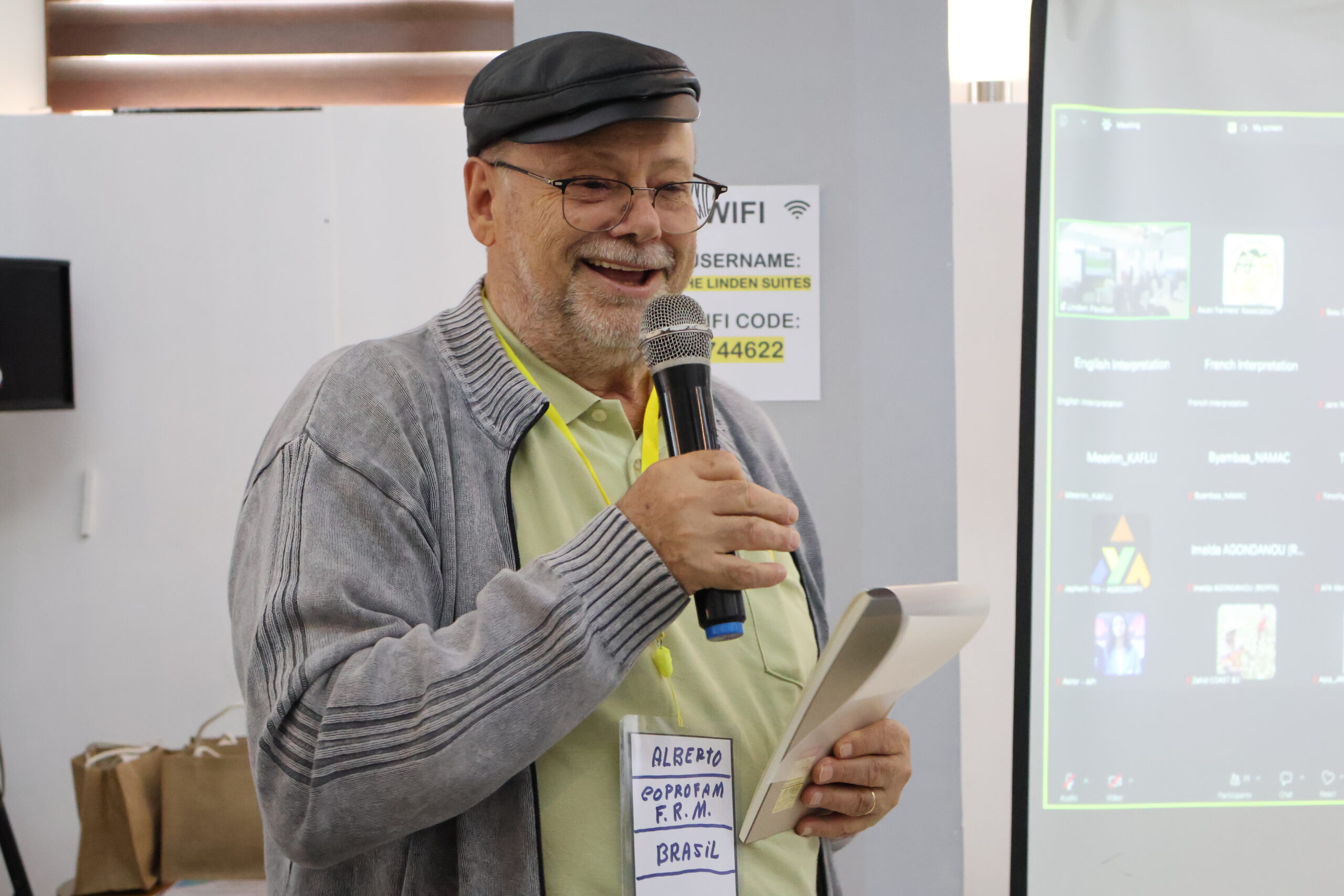
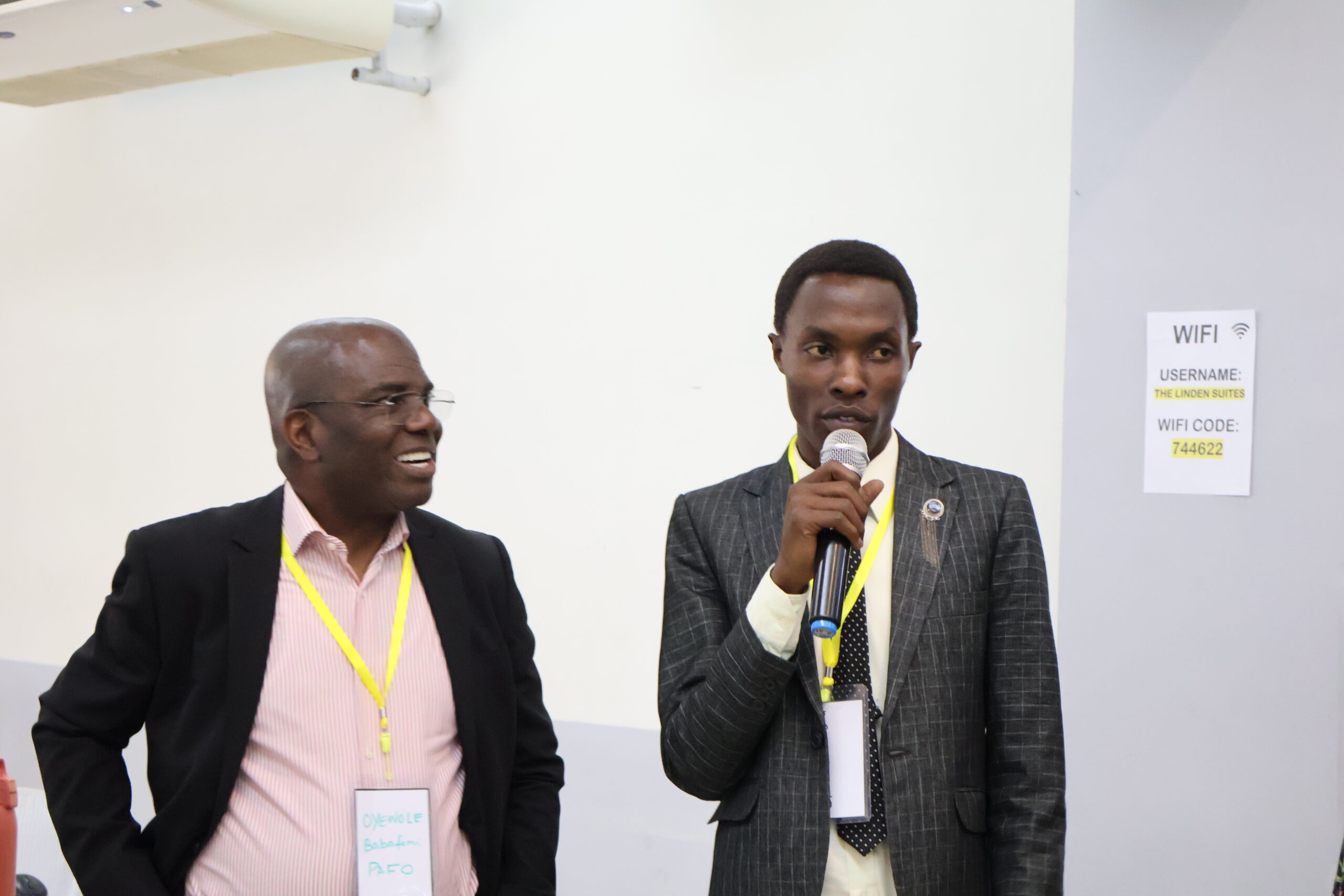
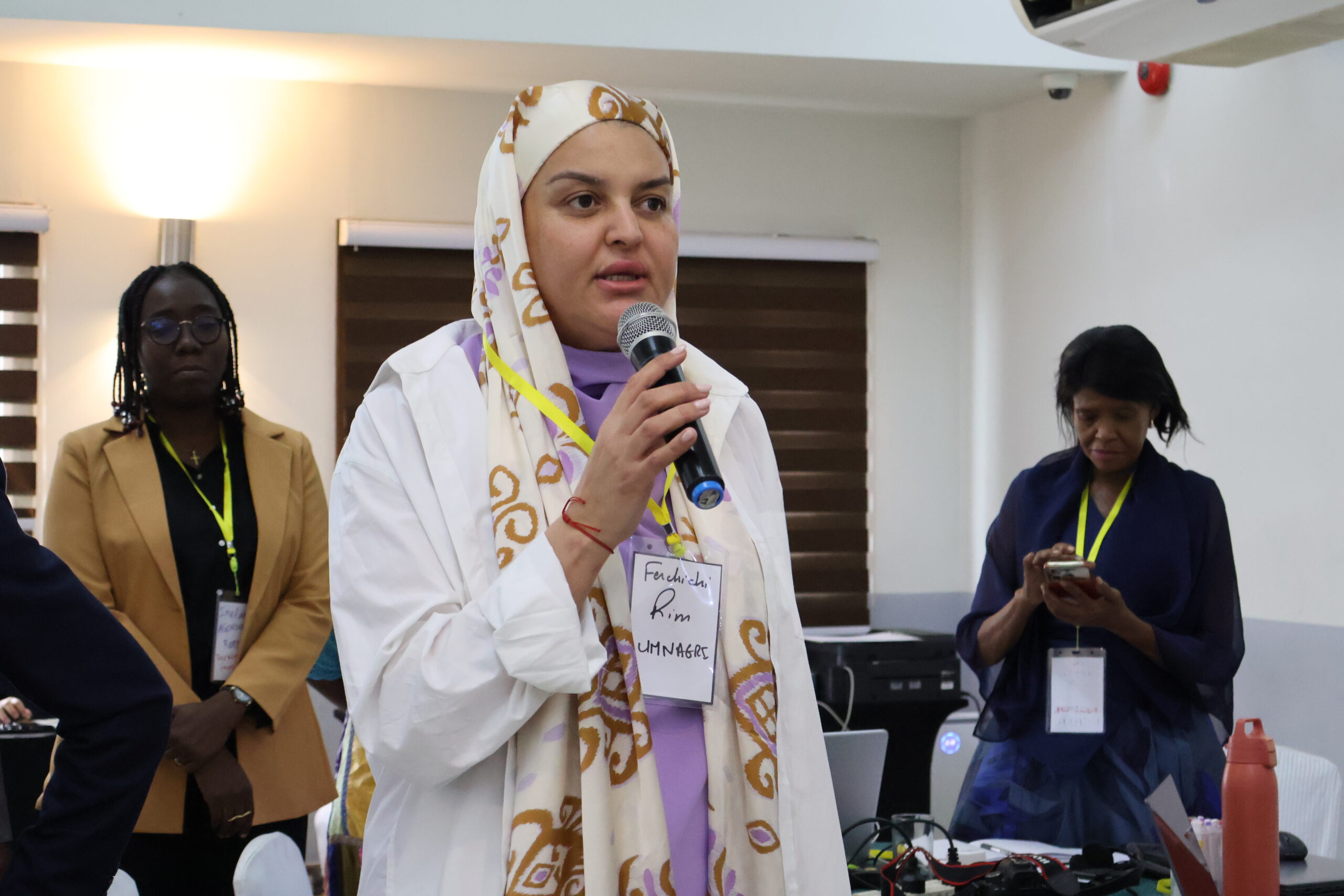
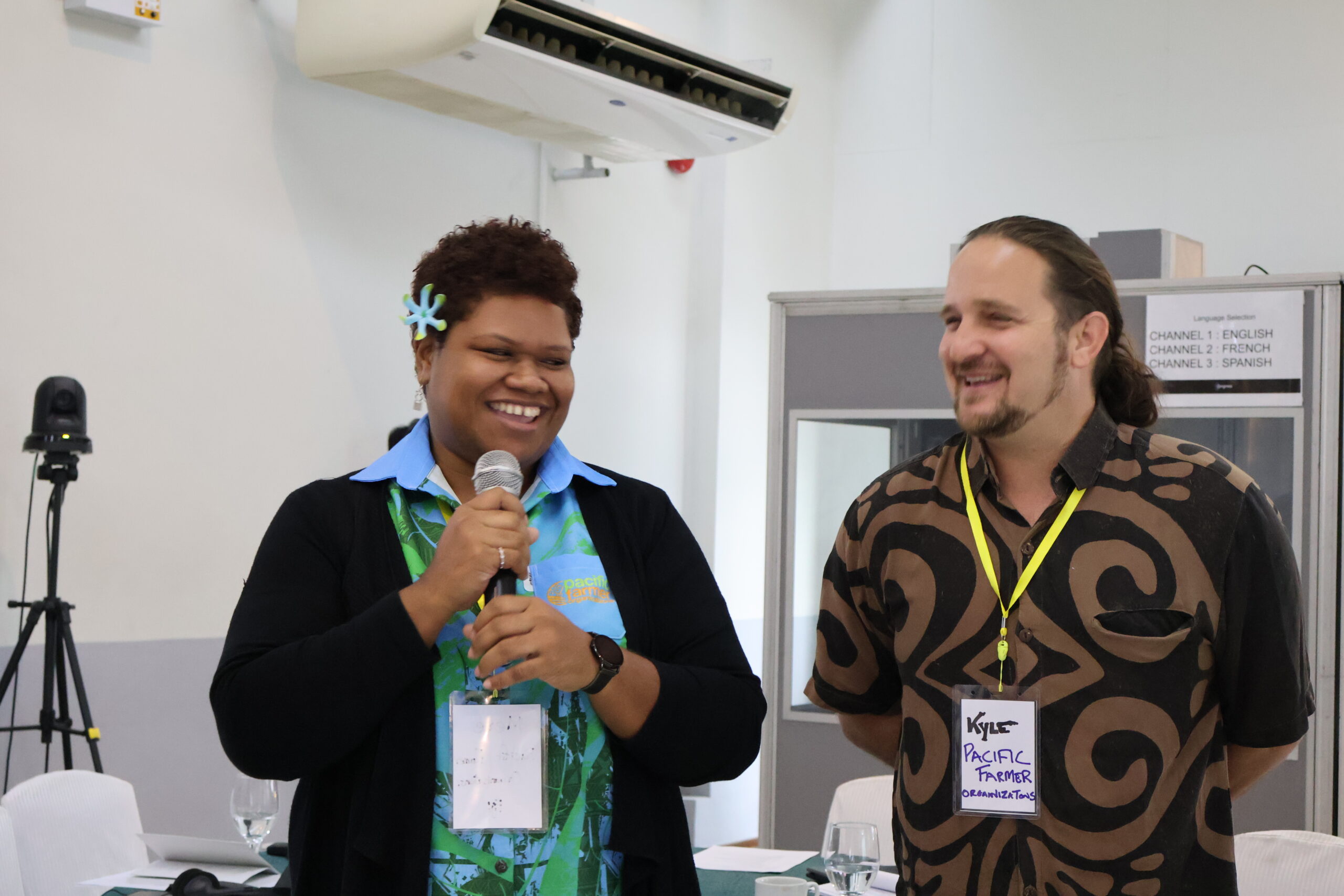
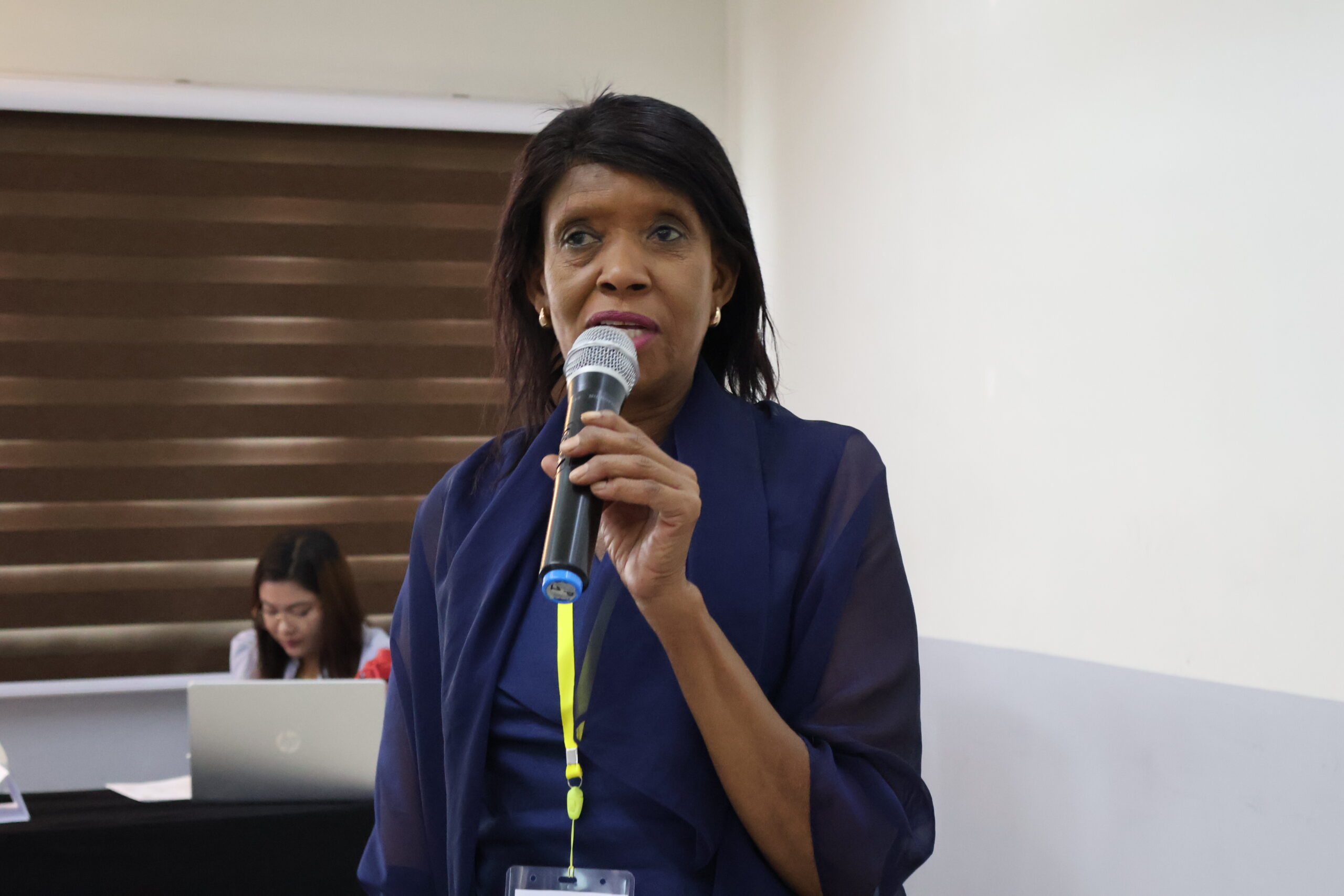
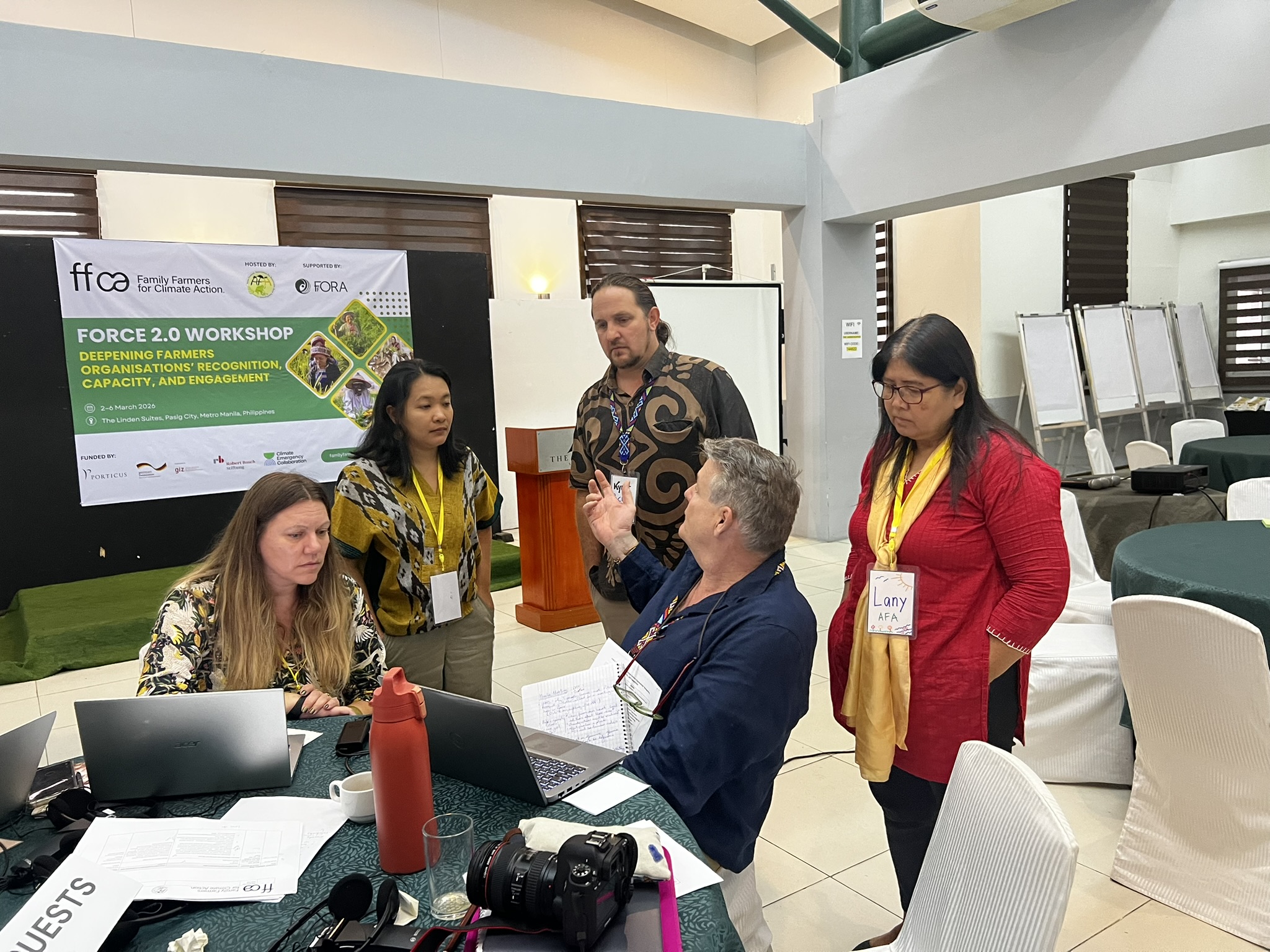
Equally important was the recognition that advocacy must go beyond technical policy work. Storytelling, strategic communication, and a deeper understanding of historical and political contexts were identified as essential tools for influencing change.
The workshop also laid out concrete next steps. Among these are efforts to establish a dedicated climate fund for family farmers, continued collaboration with national federations, and ongoing knowledge-sharing on fund governance and financing models.
Participants were encouraged to further refine the purpose and structure of proposed financing mechanisms, while organizations such as FPE continue pursuing accreditation to access global climate funds directly.
The FORCE 2.0 Workshop reflects a growing global movement to reposition family farmers—not as passive victims of climate change, but as central actors in building sustainable and resilient food systems.
As the week continues, participants are focused on translating shared priorities into coordinated strategies that can influence policies and financing systems at both national and global levels.
The message from Manila is clear: achieving climate resilience is not possible without investing in the farmers who feed the world.
Related documentation:
Photos: https://www.facebook.com/media/set/?set=a.1336942635126329&type=3