APFP-FO4A Regional Wrap-Up Documentation
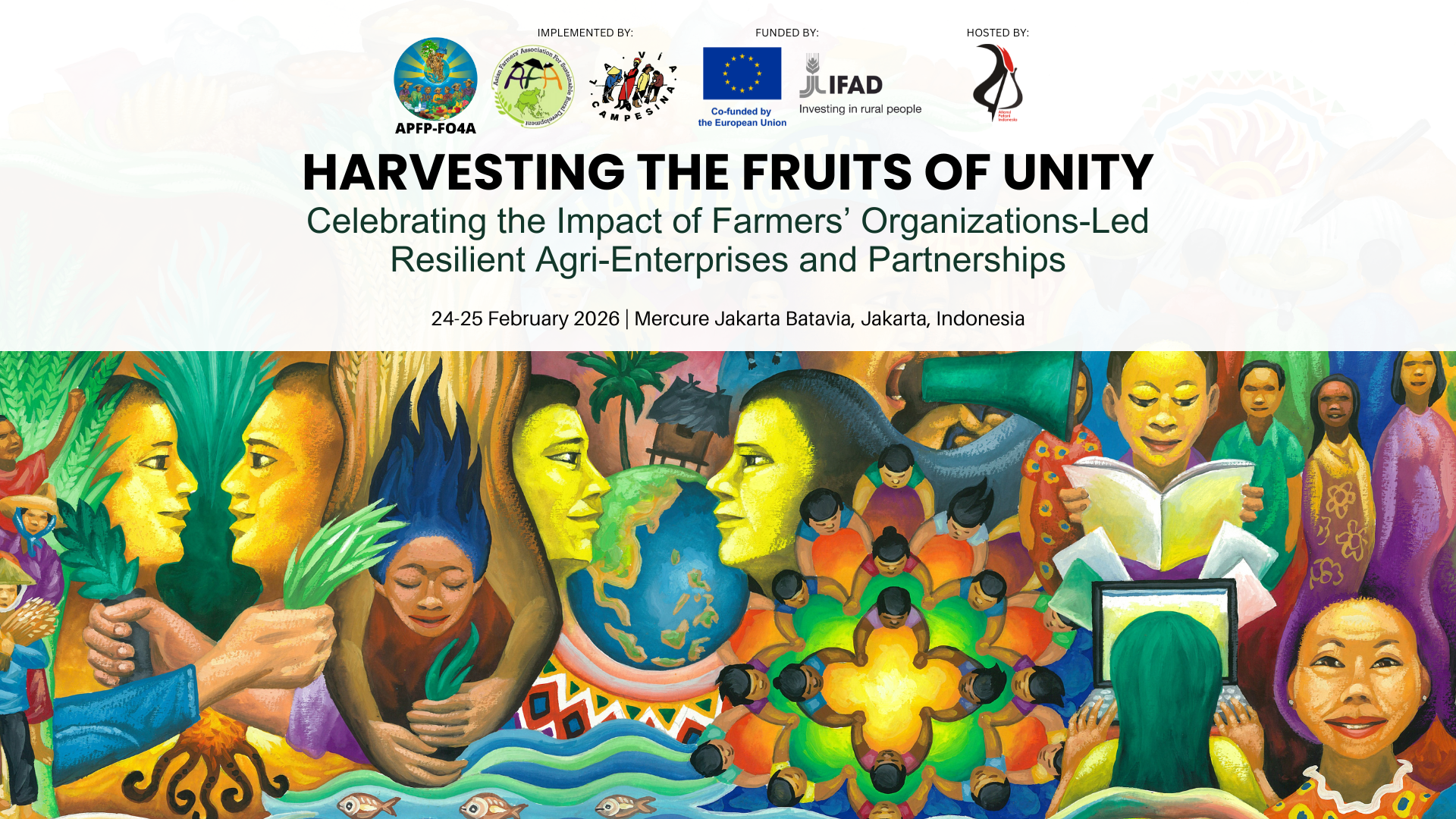
Harvesting the Fruits of Unity:
Celebrating the Impact of Farmers’ Organizations-Led Resilient Agri-Enterprises and Partnerships
24-25 February 2026 | Mercure Jakarta Batavia, Jakarta, Indonesia
I: Opening Program
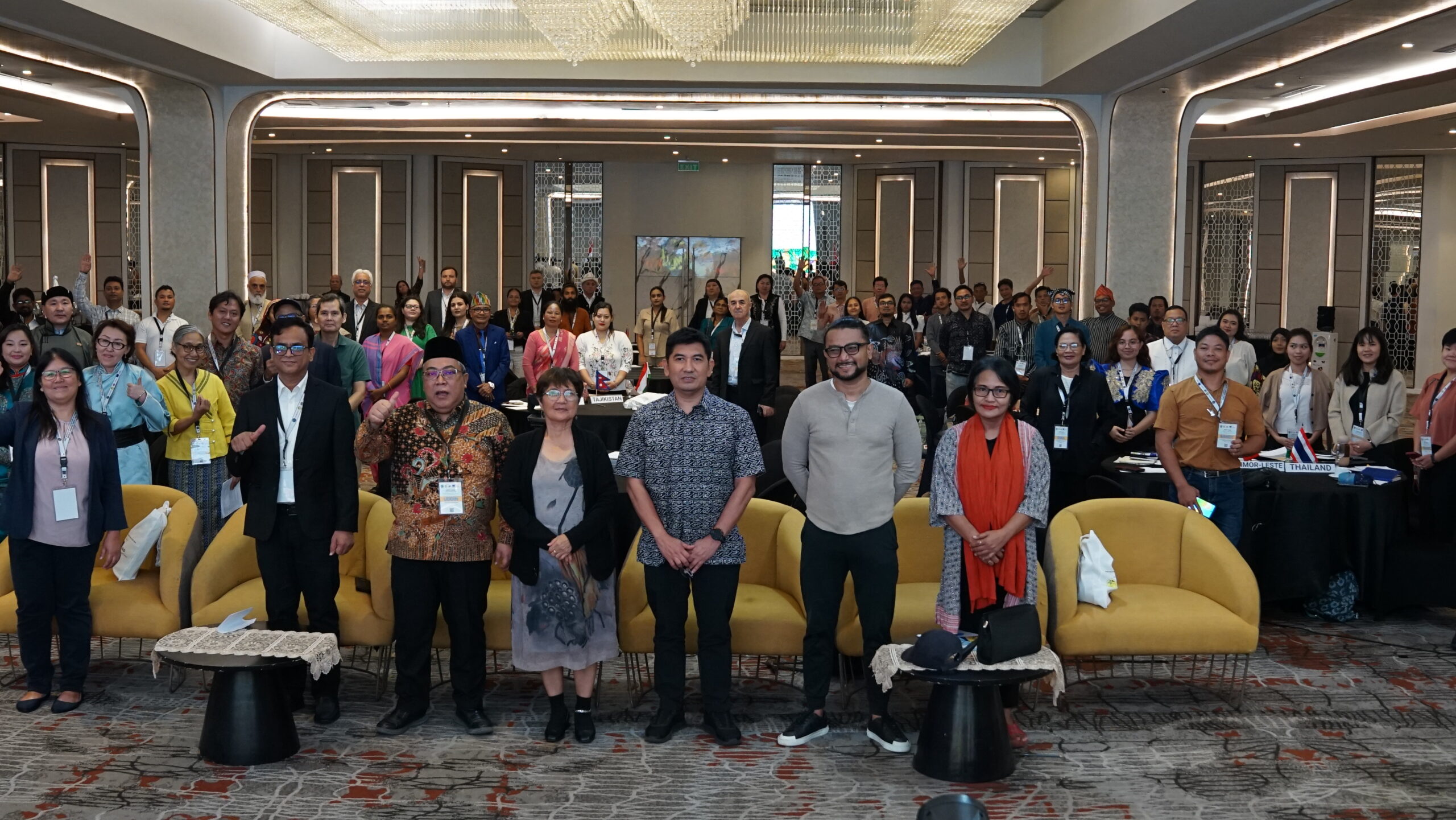
The day opened with a program that highlighted the importance of partnerships, collaboration, and farmer-led development in strengthening rural economies across the region. Speakers emphasized the achievements of the Asia-Pacific Farmers’ Program (APFP) in empowering farmers’ organizations, expanding market opportunities, and building resilient rural communities. The opening messages also underscored the vital role of cooperation among farmer organizations, development partners, governments, and the private sector in advancing inclusive and sustainable agricultural development.
Following the opening program, the agenda shifted to the Product Pitching Sessions, where National Implementing Agencies (NIAs) showcased a diverse range of agricultural and value-added products to potential buyers and partners. The presentations highlighted the quality, sustainability, and unique value of farmer-produced goods while demonstrating how organized farmers are increasingly engaging in markets and value chains as economic actors.
The day concluded with a knowledge-sharing session featuring a successful coffee-farmer initiative, followed by technical discussions on certification, compliance, and coffee quality evaluation. Participants also experienced an actual coffee cupping session, providing hands-on learning on quality assessment and international market standards, and the day closed with the awarding of certificates recognizing participants’ engagement in the learning activities.
Key Highlights
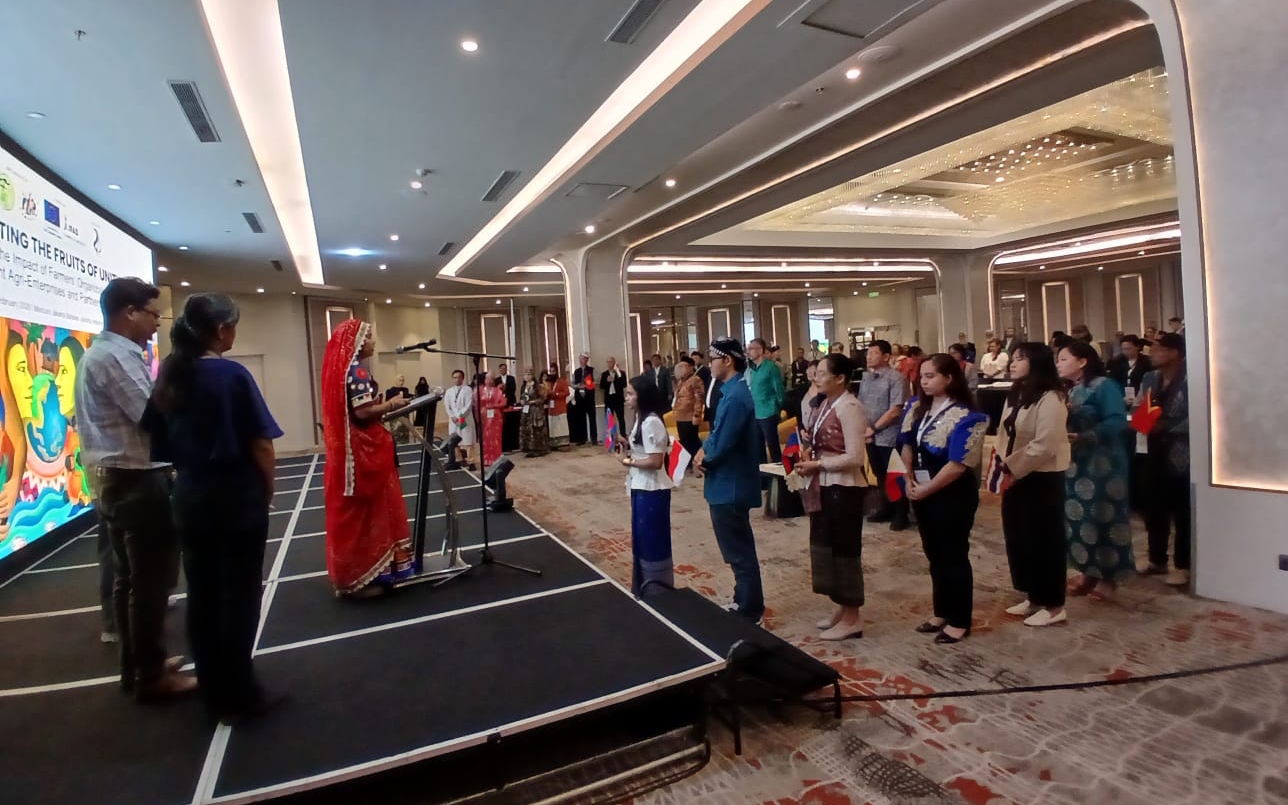
Opening Session. Started 10:00 AM with the Opening Ceremony — presentation of the colors of nations, interfaith prayers, and the formal introduction.
Opening Prayer was led by representatives of Buddhism, Hinduism, Christianity, and Islam from various countries, reflecting the diversity and unity of the participants.
Welcome Messages. The welcome messages set a powerful tone, emphasizing that farmers are key actors in shaping solutions. Speakers highlighted the importance of collective action, strong partnerships, and farmer-led development with resilience. Their messages captured the spirit of the day — a moment of celebration, gratitude, and renewed commitment to move forward together.
Muhammad Nuruddin, Secretary General of Aliansi Petani Indonesia (API) – emphasized the need to strengthen smallholder farmers as key actors in global solutions. He reminded participants: “If you want to go fast, go alone. If you want to go far, go together.” — reinforcing solidarity as the foundation of collective action.
AFA’s Secretary General, Ester Penunia, emphasized that the program’s synergistic interventions, launched amid COVID-19, have strengthened farmers’ livelihoods and climate resilience, and called on participants to build on these gains and actively support initiatives.
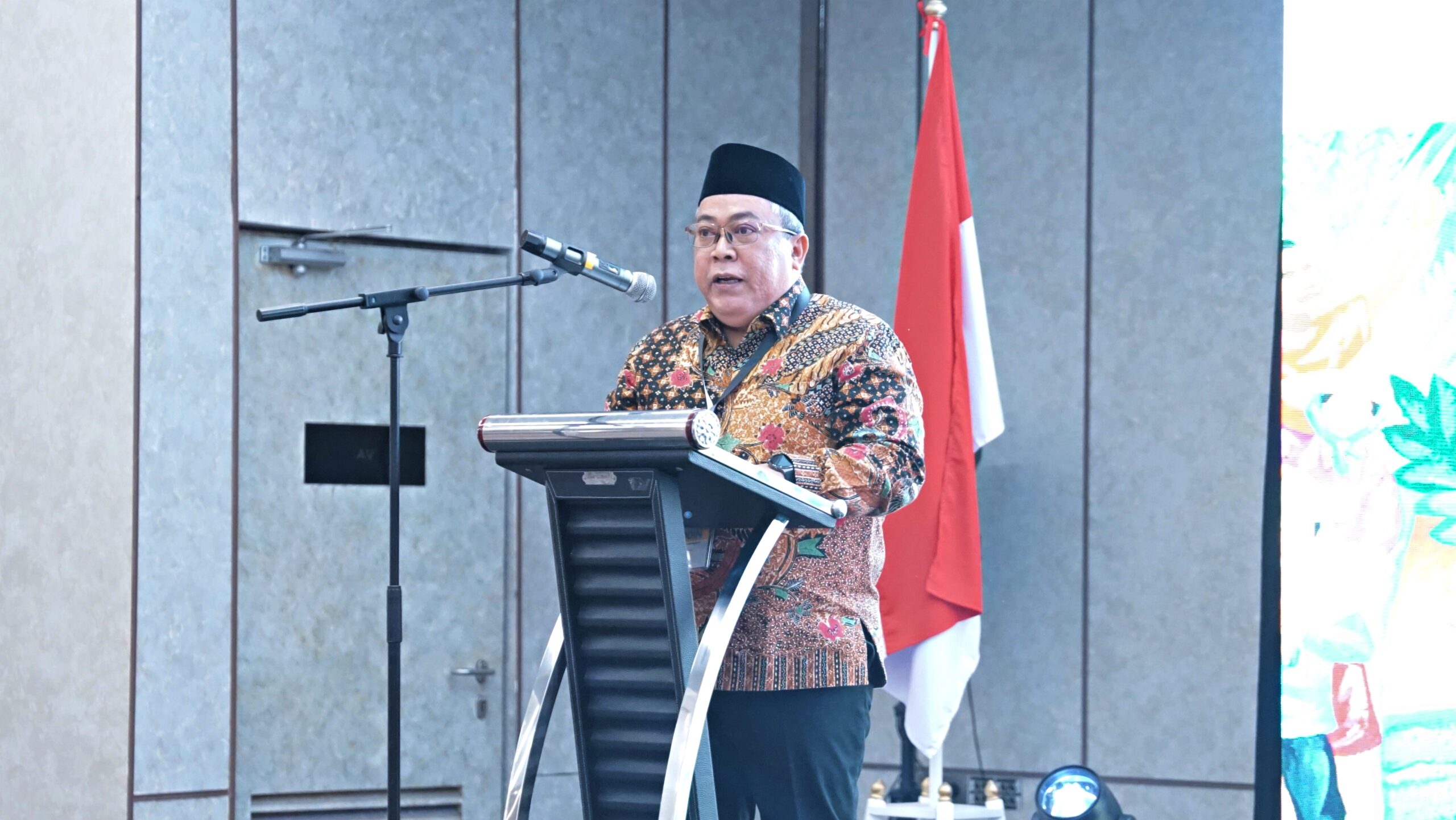
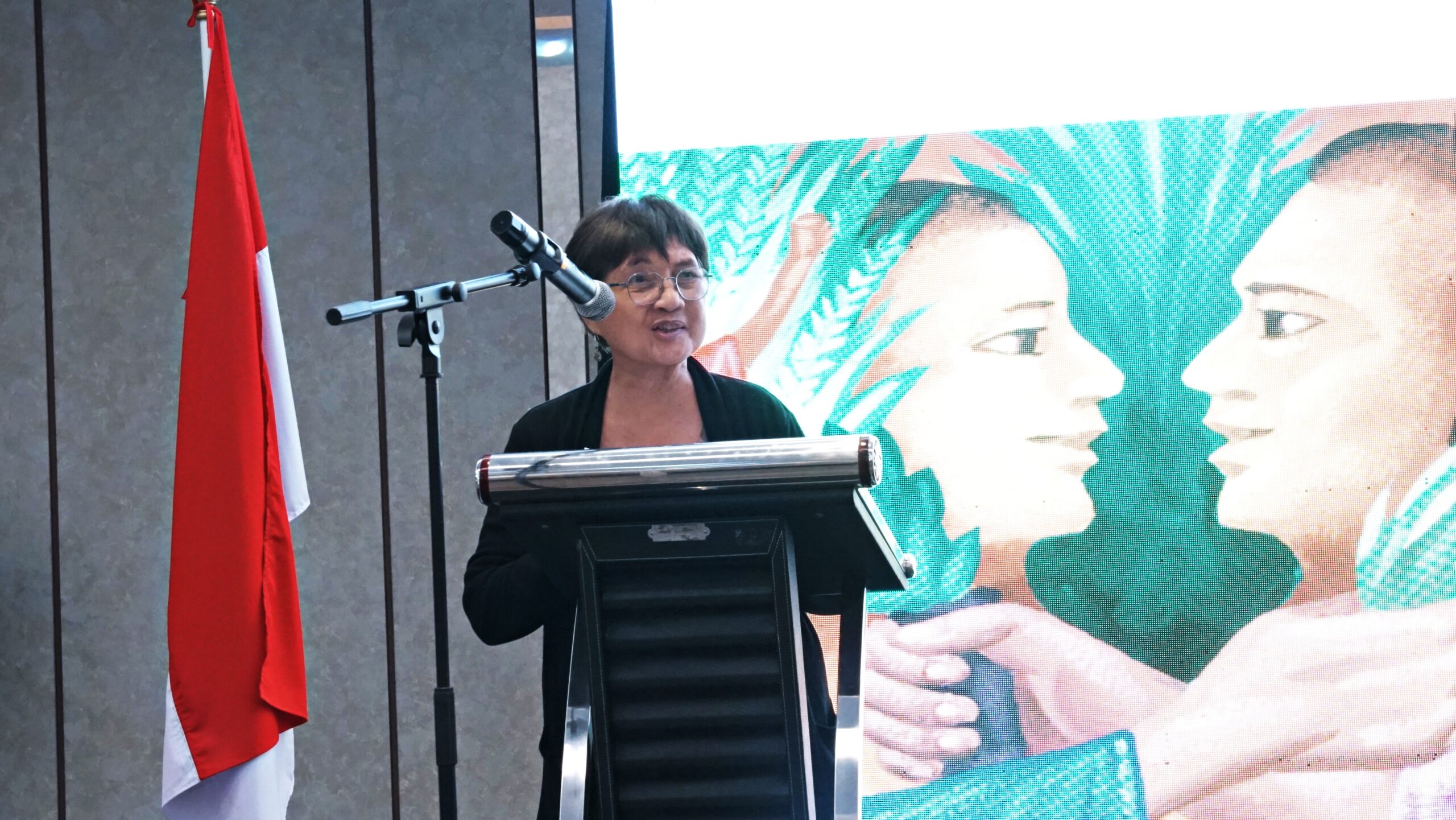
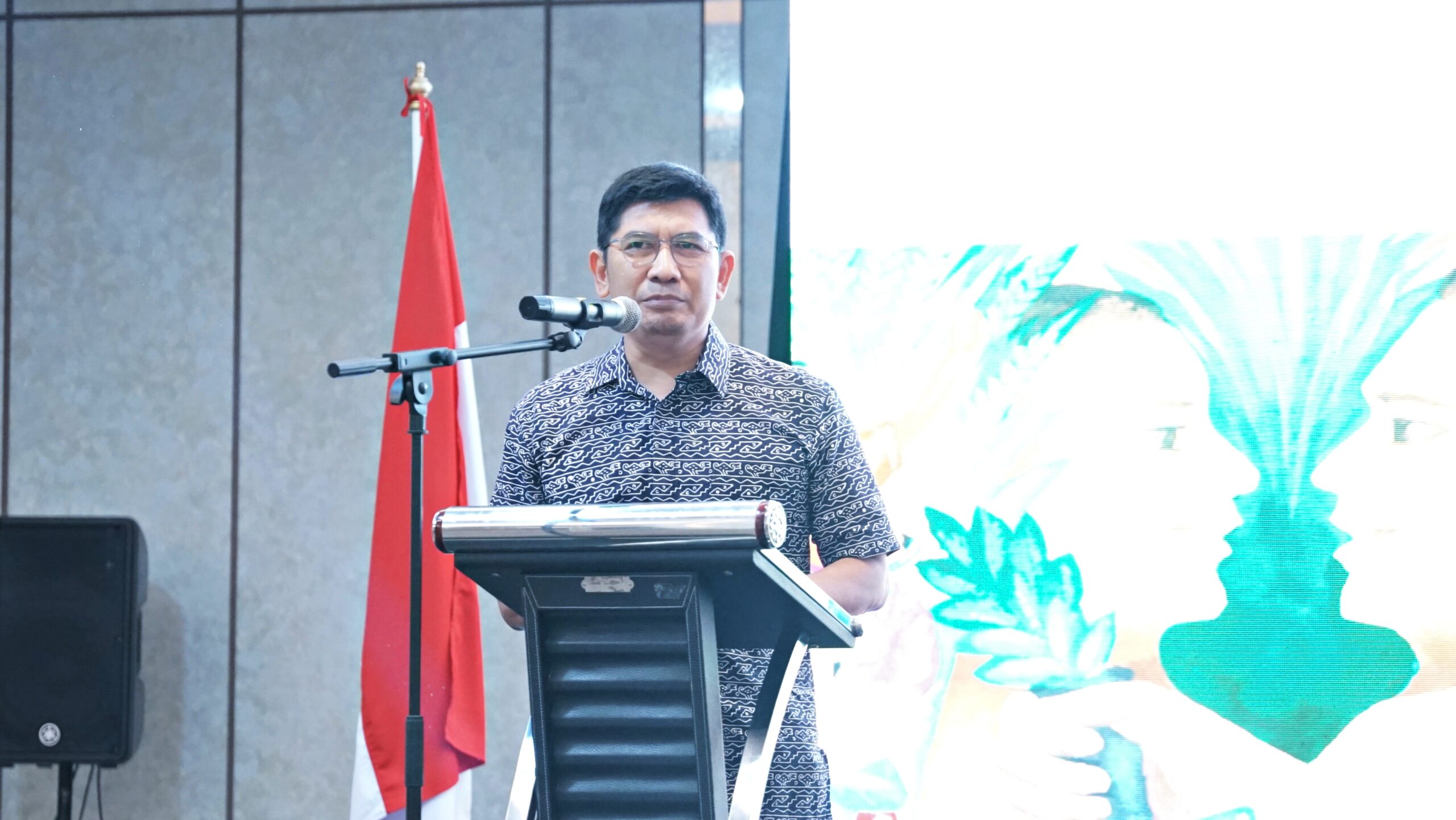
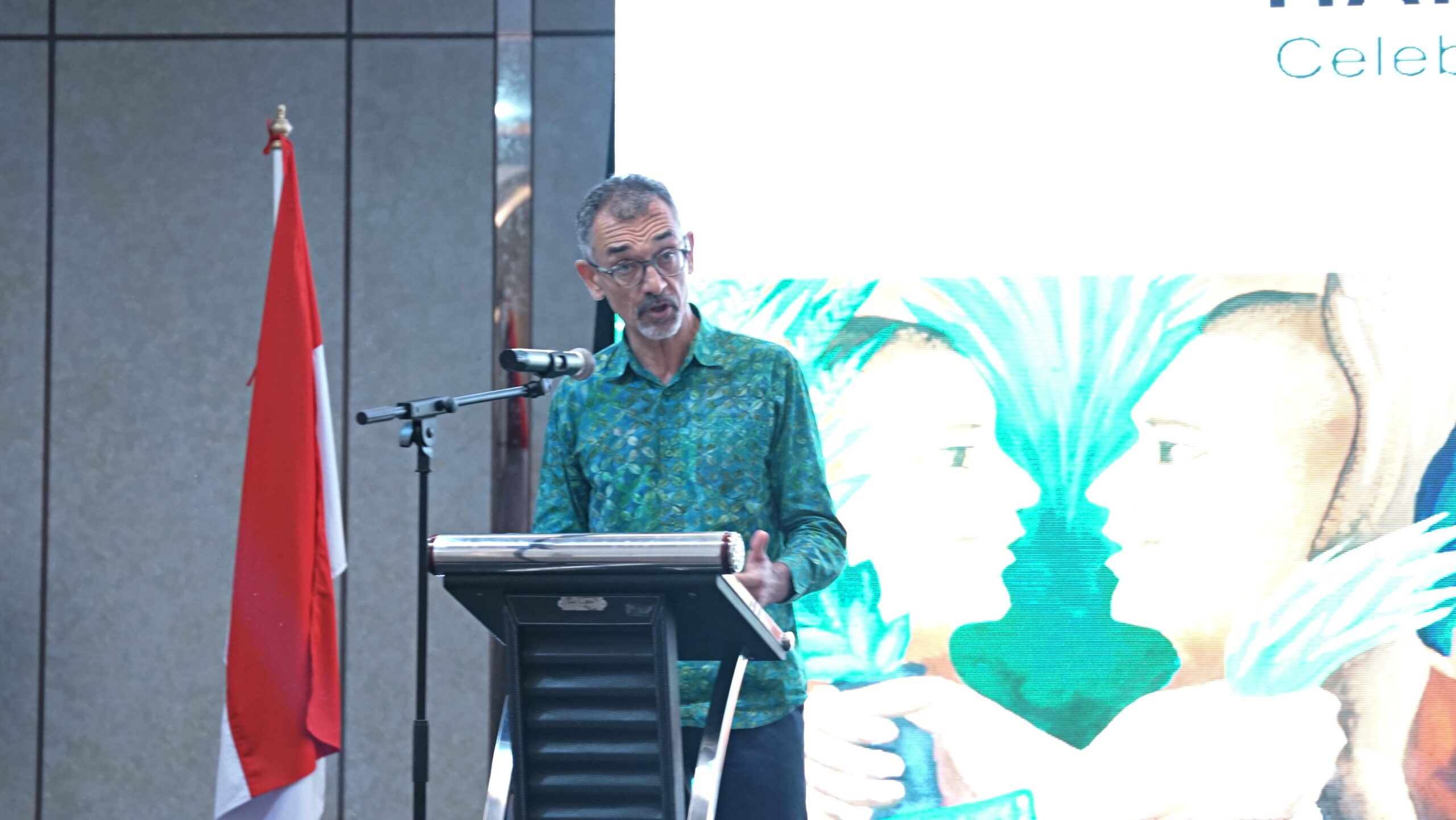
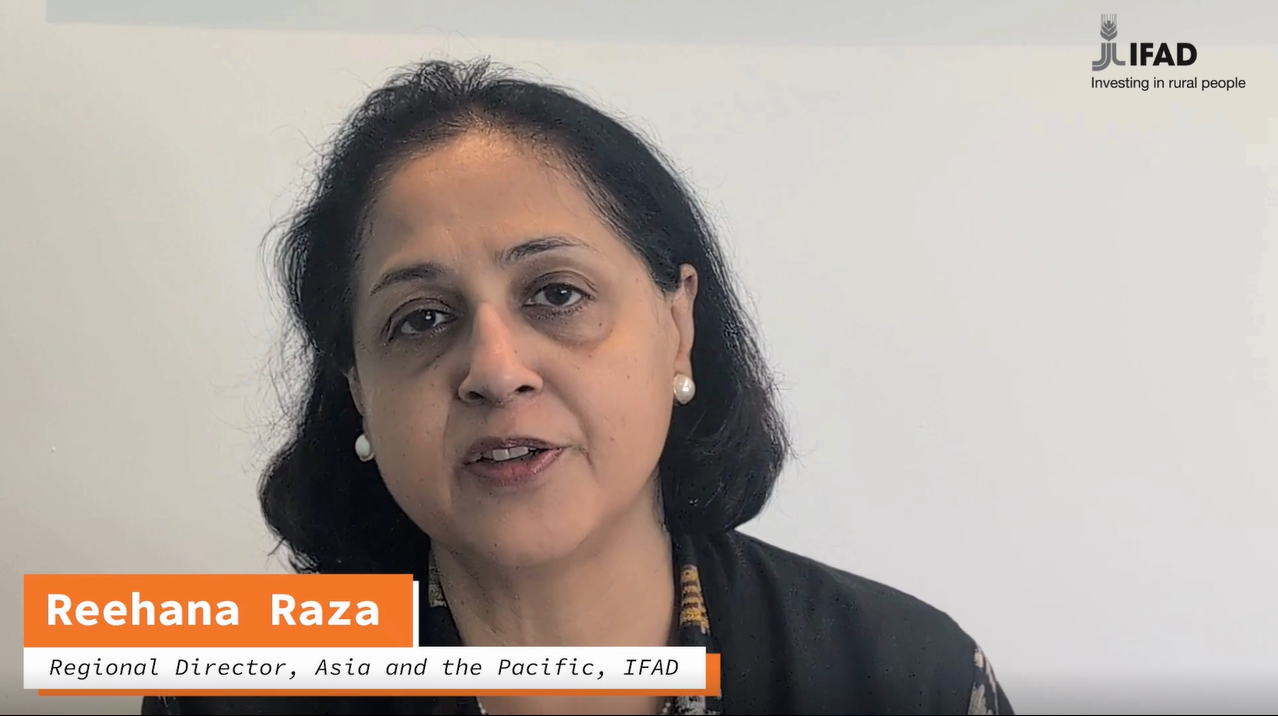
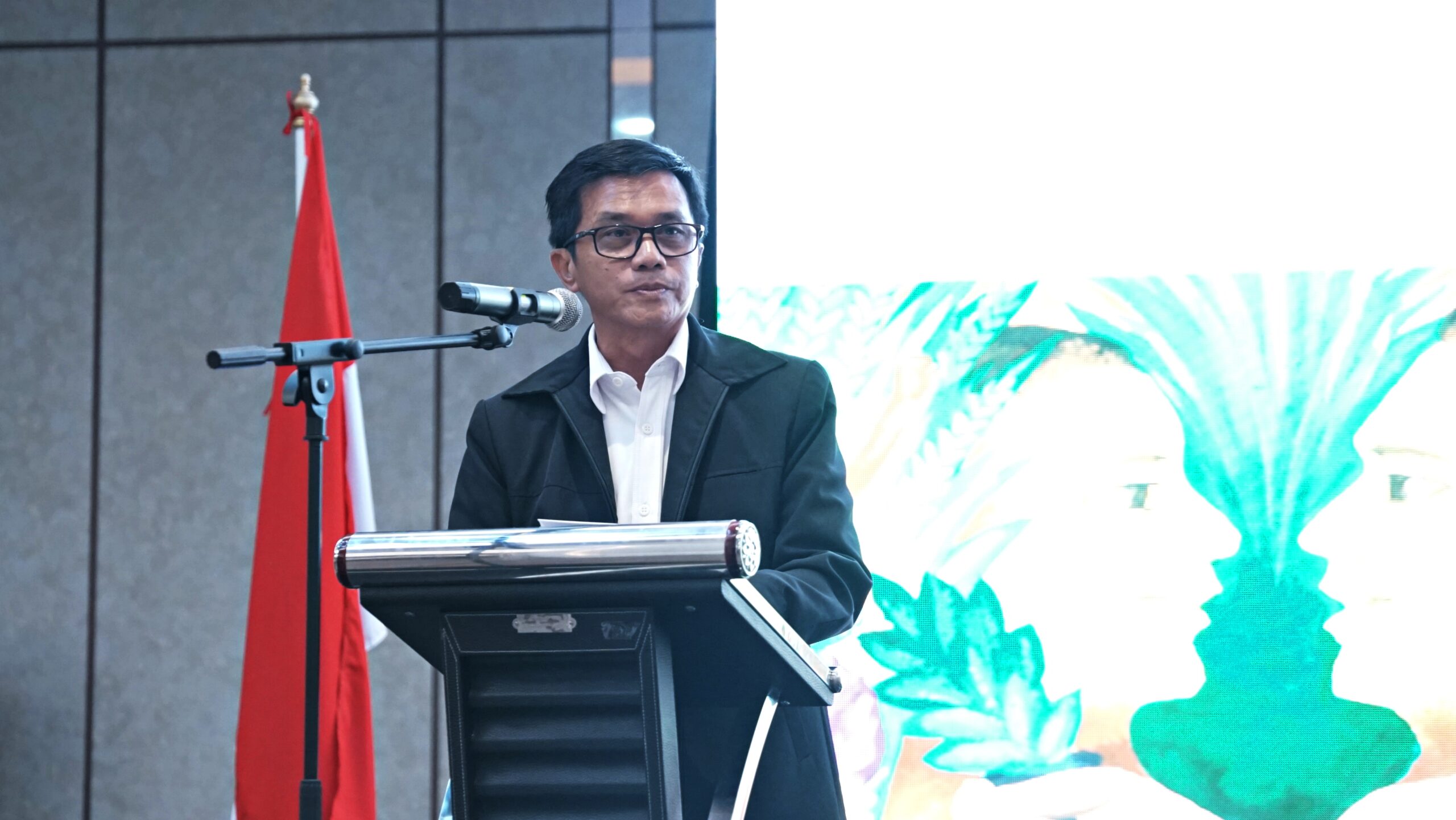
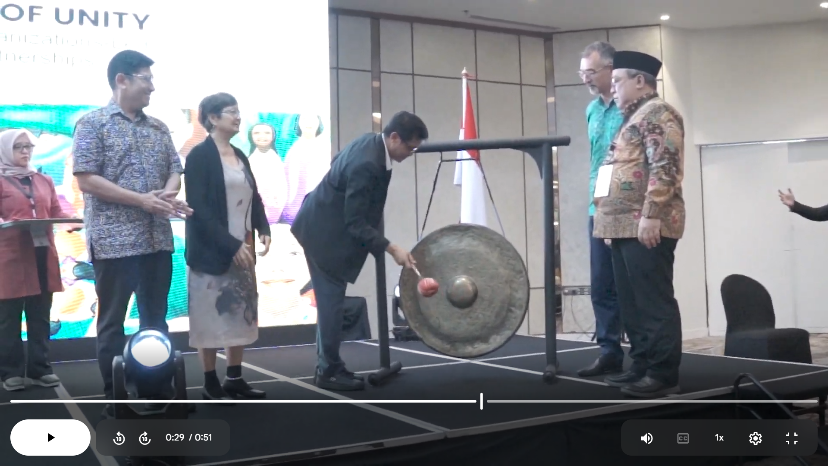
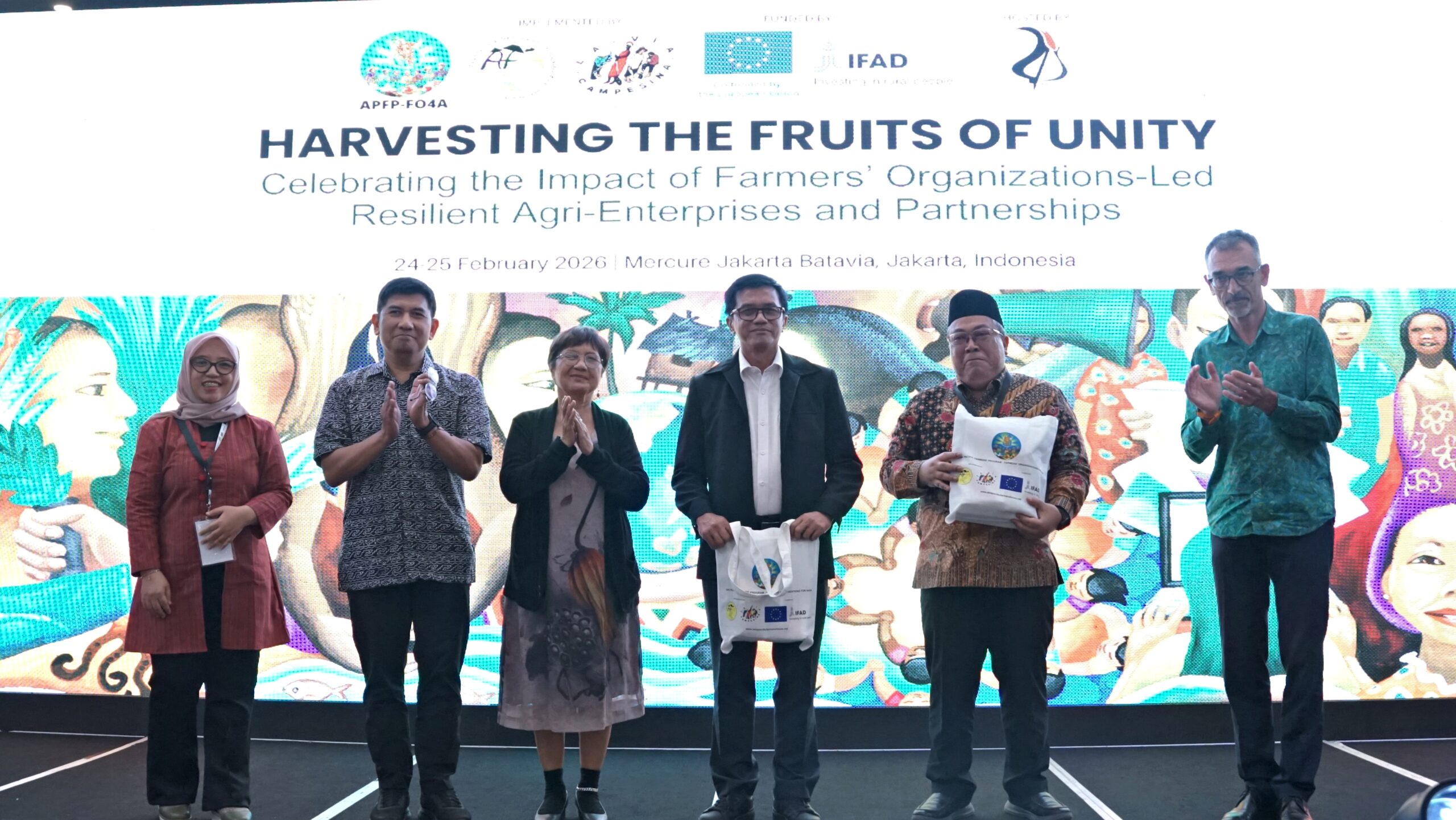
Message from Partners. The segment featured strong messages of support from key development partners, including representatives from the EU and IFAD, and Indonesian government leaders from the Coordinating Ministry for Community Empowerment and the Ministry of Village. All expressed firm support for farmer-led initiatives in advancing rural development and reaffirmed their continued partnership and commitment to strengthening farmers’ organizations across the region.
Iskandar Mohammad, IFAD Country Program Analyst, emphasized that the program has been highly successful in creating meaningful opportunities for farmers, enhancing their skills and capacities, and strengthening their role as active contributors to the development and resilience of rural communities.
Dr. Nugroho Nagoro, Director General of Village and Rural Development at the Ministry of Villages and Devt. of Disadvantaged Areas, highlighted the positive impact of programs supporting rural communities in increasing production. He also emphasized the importance of resilience and sustainable livelihoods as key drivers of rural development.
Reehana Raza, IFAD Regional Director for Asia and the Pacific, highlighted that the APFPdemonstrates how strong partnerships, resilient farmers’ organizations, and inclusive approaches can empower millions, strengthen rural economies, and scale innovation for lasting impact, while maintaining a forward-looking focus on lessons learned and future opportunities.
Jerome Pons, Head of Cooperation at the Delegation of the EU to ASEAN,emphasized the role of the Asia-Pacific Farmers’ Program (APFP) in advancing sustainable development by empowering farmers through partnerships and collaboration, contributing to the EU’s goals of inclusive growth and resilient rural economies.
Awarding of plaques of appreciation and the symbolic gong-banging at the Groundbreaking Ceremony, marking a renewed phase of collaboration and shared commitment.
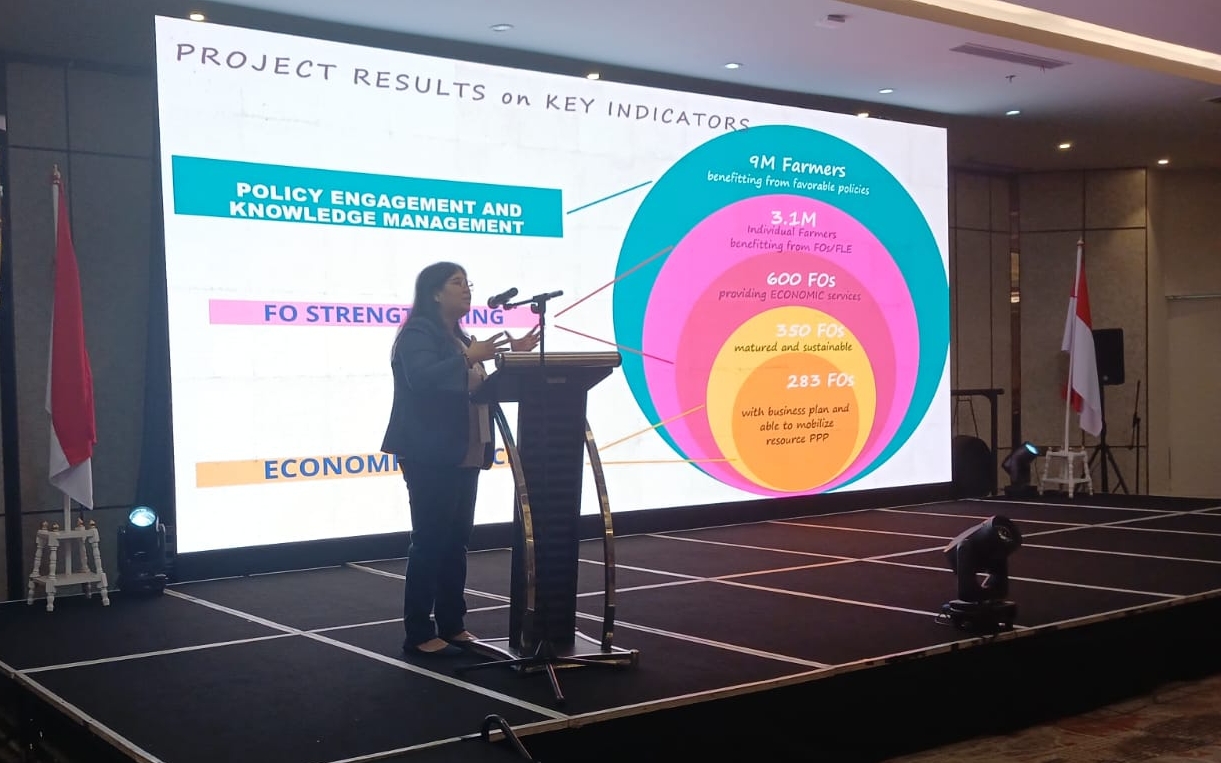
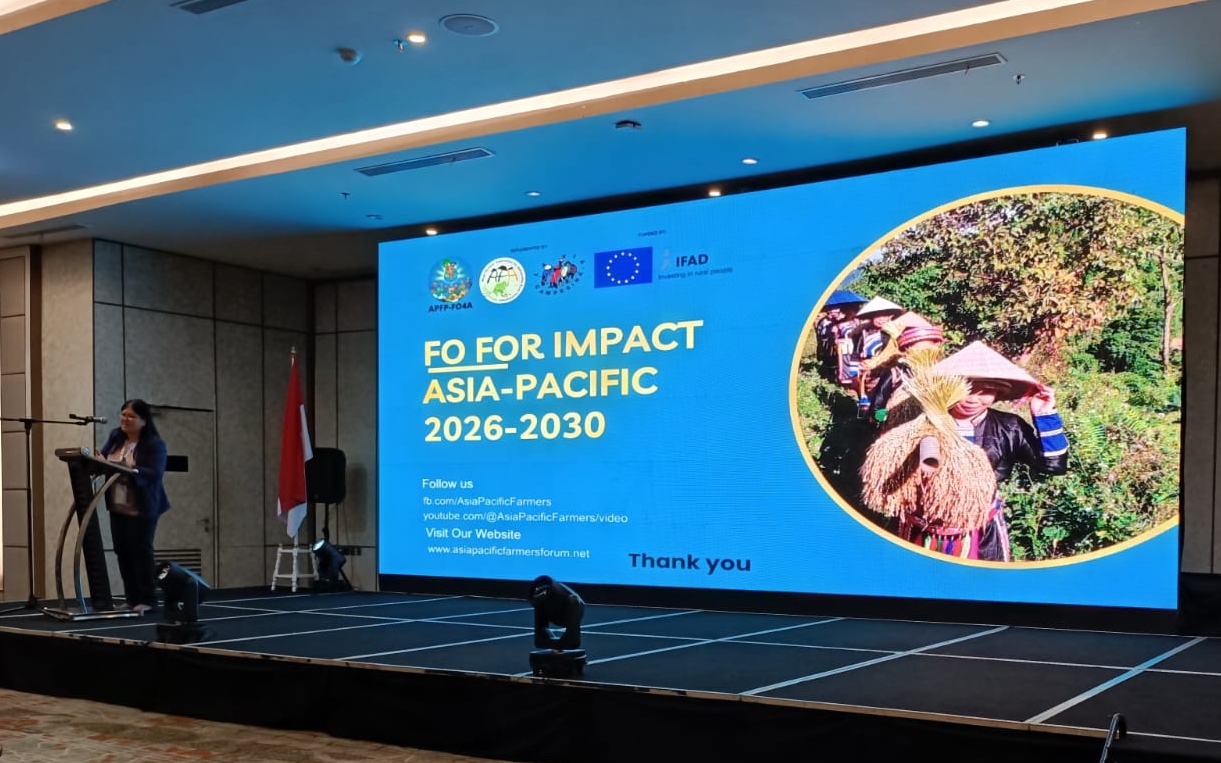
Presentation of Achievements by APFP-FO4A Co-Implementing Partners. The presentations by co-implementing partners Agricord and the PFO highlighted the remarkable achievements of the program and reinforced the importance of global solidarity among farmers. Speakers showcased collaborative initiatives, sharing how coordinated efforts across countries and organizations have strengthened farmer-led development, improved livelihoods, and created sustainable value chains. The session underscored the power of partnerships in driving meaningful impact and advancing shared goals for resilient and inclusive rural communities.
AgriCord
Message from the Speaker (Katja Vuori)“The life of a farmer is unpredictable and filled with challenges. With the support of farmers’ organizations and families, family farmers improve livelihoods, nourish communities, create rural jobs, and contribute to a more sustainable future.”
Celebrated the results achieved through strong collaboration among farmers, financial institutions, value chain actors, government stakeholders, and research partners.
Recognized the hard work, creativity, and persistence of farmers as the driving force behind efforts toward a more sustainable and agroecological future.
Agricord reaffirmed its commitment to continue the partnership and expressed appreciation to the IFAD and the EU for their support and stewardship.
Pacific Farmers Organization (PFO)
Message from the Speaker (Kyle Stice)“Support from the Asia-Pacific Farmers’ Program (APFP) enabled the expansion of services to the North Pacific and strengthened regional impact, particularly through the promotion of Breadfruitand efforts to connect the crop to potential investors and wider market opportunities. “
The Asia-Pacific Farmers’ Program(APFP) enabled deeper consultations with farmers’ organizations in the North Pacific, leading to the establishment of a North Pacific subregional office and expansion to three additional member countries.
The program strengthened regional collaboration through evidence-based planning, including scoping and feasibility studies.
APFP also supported the promotion of Breadfruit as a unifying Pacific crop through the Breadfruit People network, service centers, and initiatives that encourage investment and collaboration.
AFA’s APFP FO4A Achievements. The presentation highlighted five years of implementation — “harvest time” — showcasing collective regional achievements. Key highlights included:
Message from the Speaker (Lany Rabagay)“The Asia-Pacific Farmers’ Program (APFP) shows that farmer-led models and strong partnerships can sustainably empower millions, build resilience, and set the stage for the next phase, FO for Impact 2026–2030. “
Farmer-Led Model & Enterprise Strengthening: FOs engage directly with funders, governments, and partners, while business planning, financing, capacity building, and cooperative development empower farmers.
Wide Reach & Impact: Over 9 million farmers benefited from policy gains; 3.1 million supported through strengthened FOs; 600 FOs deliver economic services, and 350 FOs achieved sustainability.
Partnerships & Resilience:Collaborations with government and private sectors enhanced advocacy and resource mobilization, programs continued amid challenges (e.g., Covid-19), and the foundation is set for FO for Impact 2026–2030.
II. Trade Fair Opening and Product Pitching Session
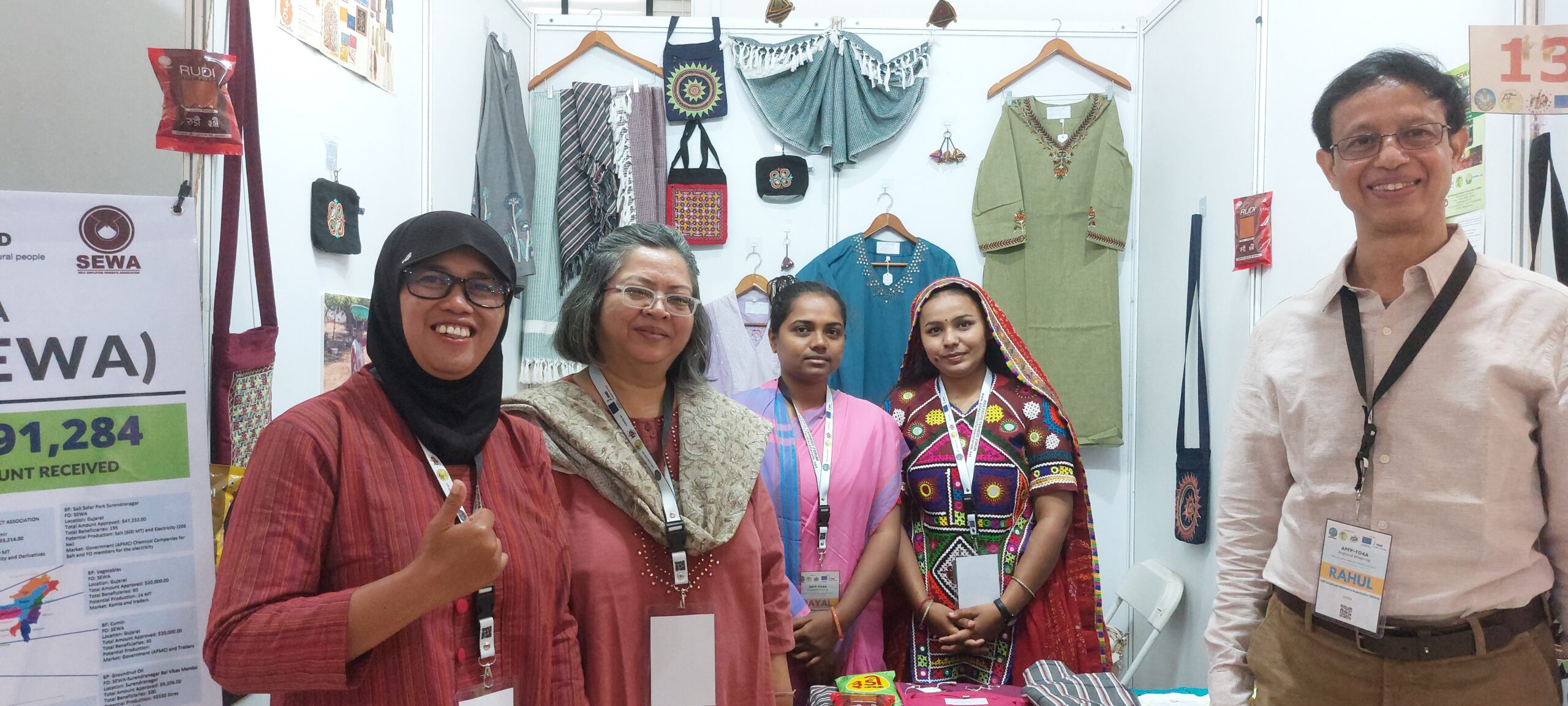
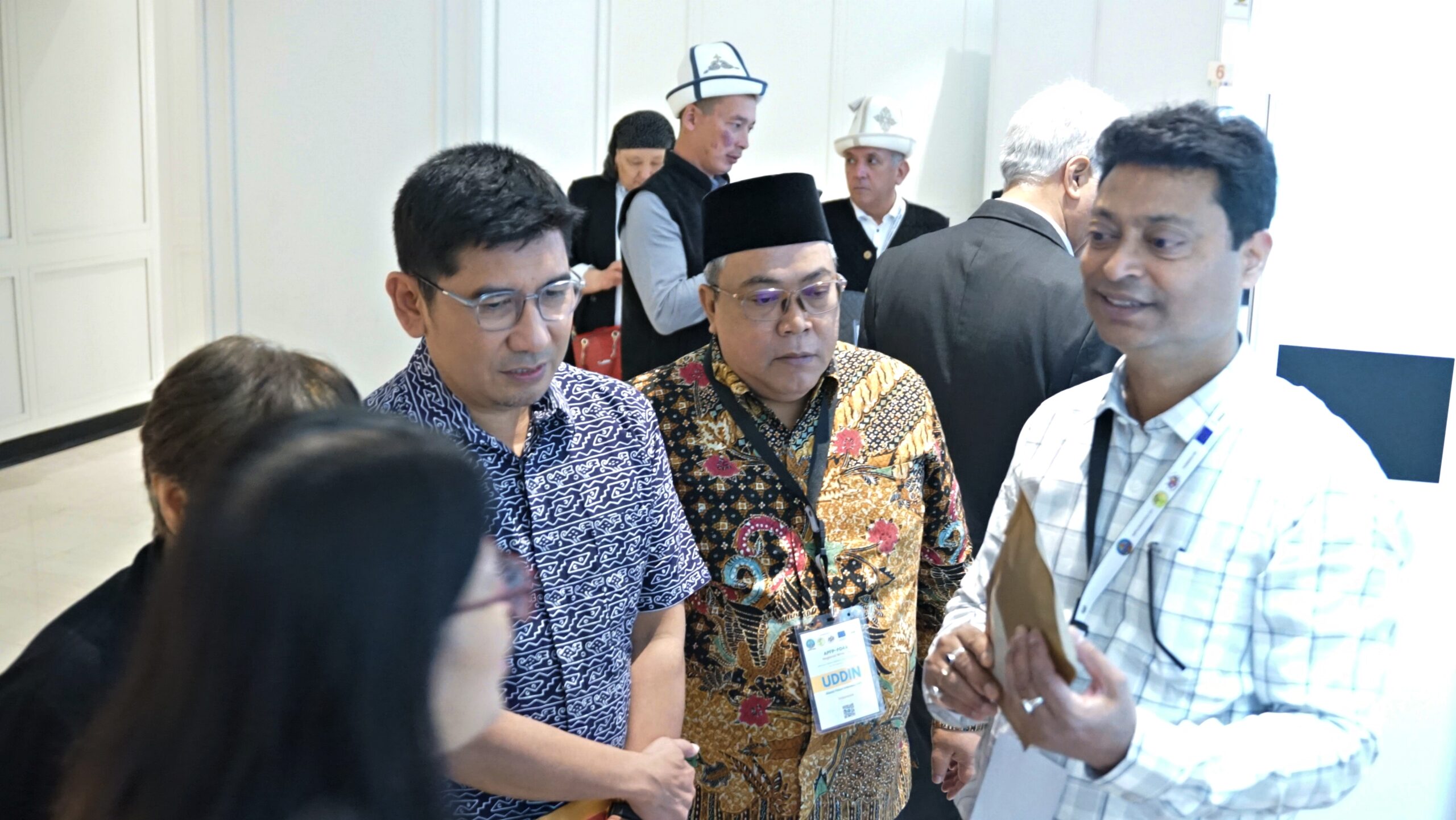
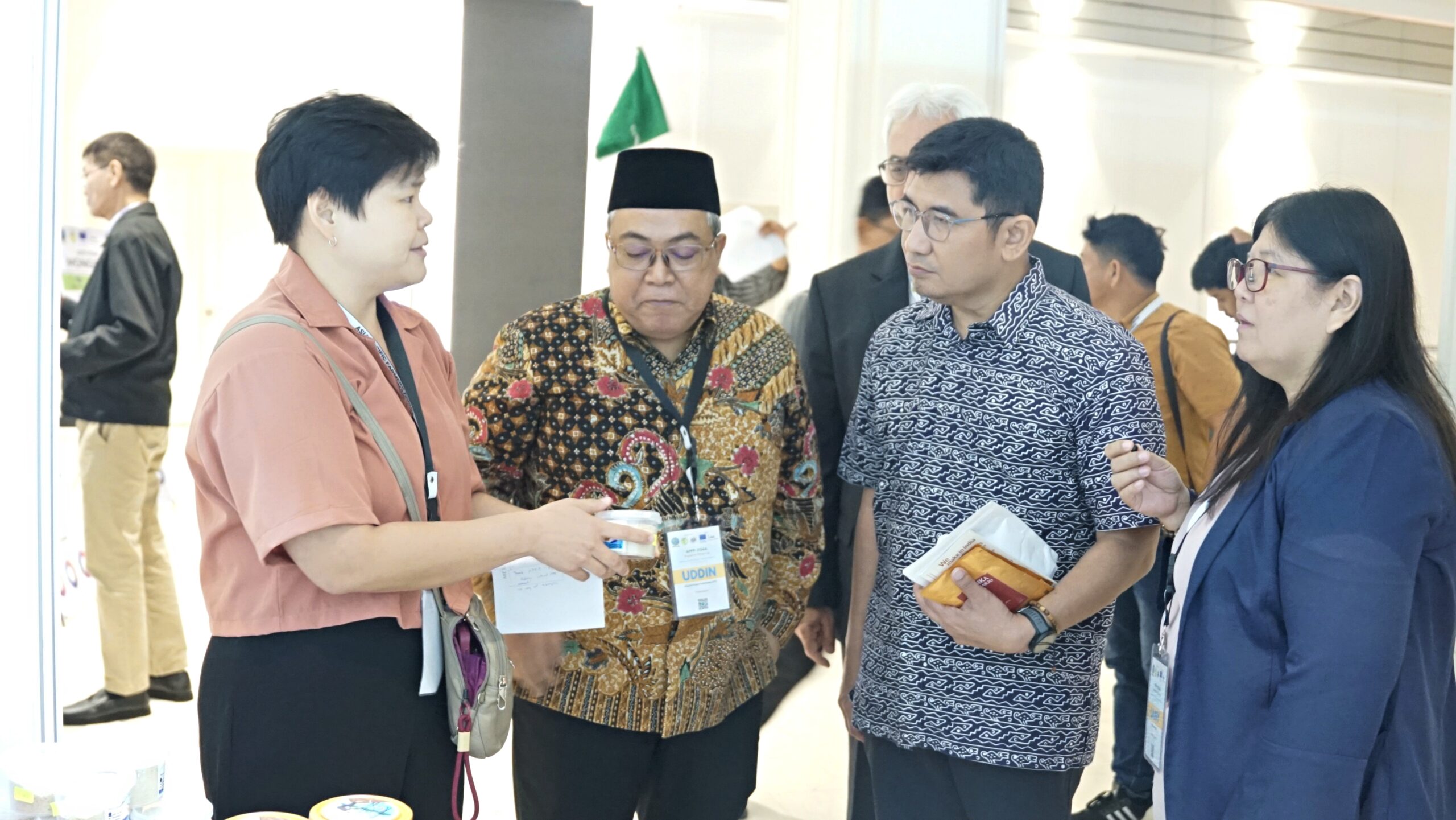
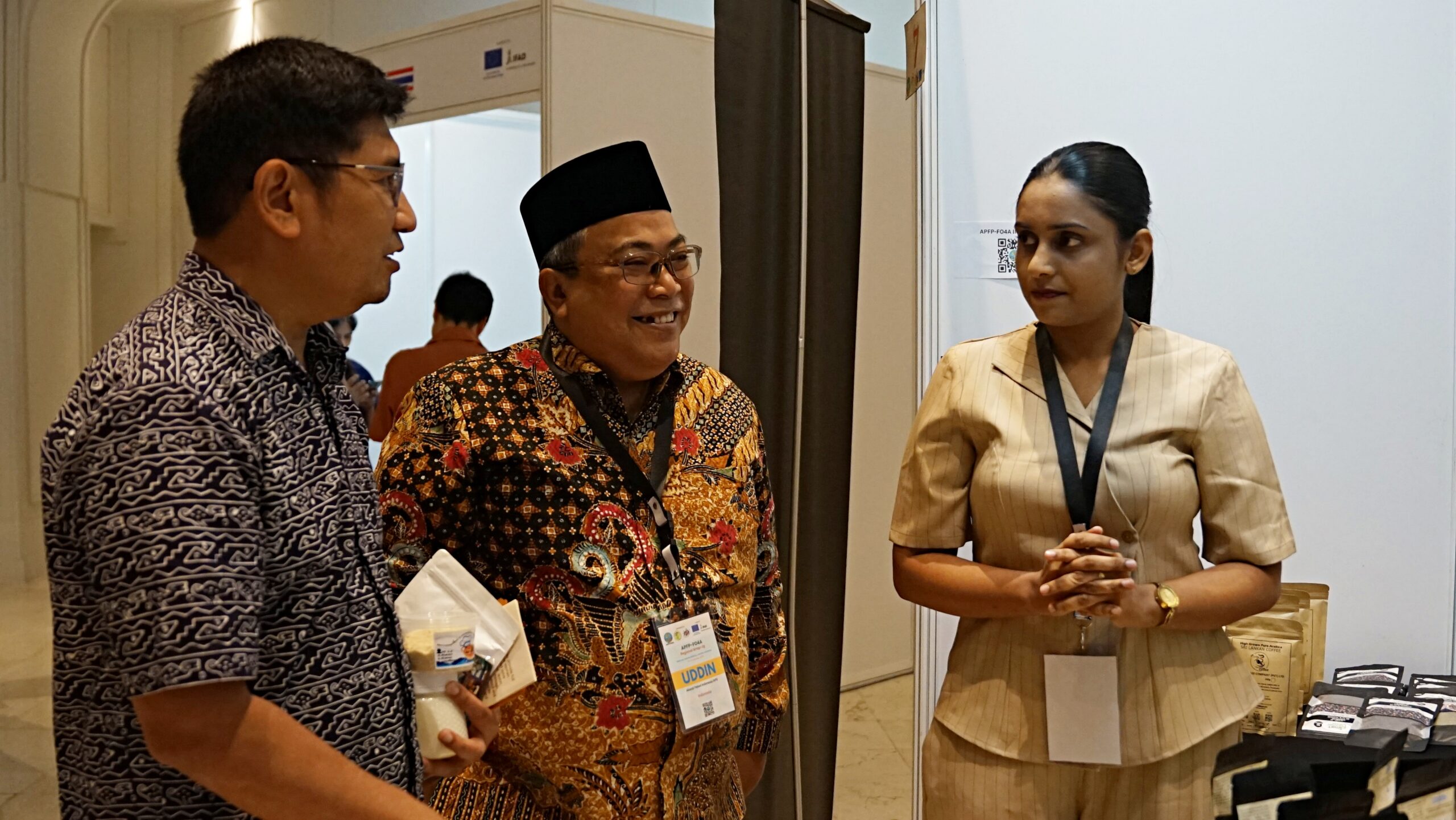
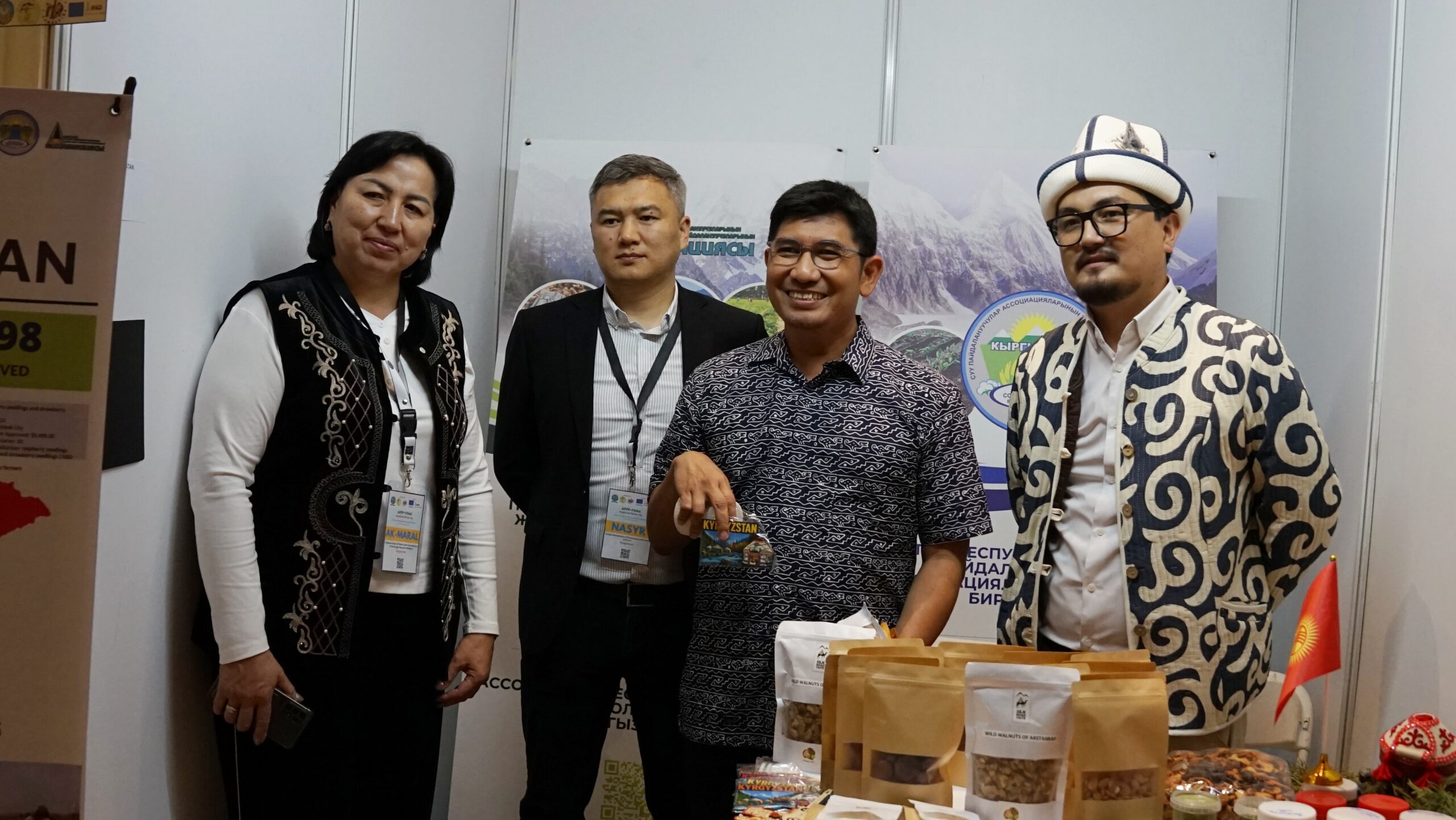
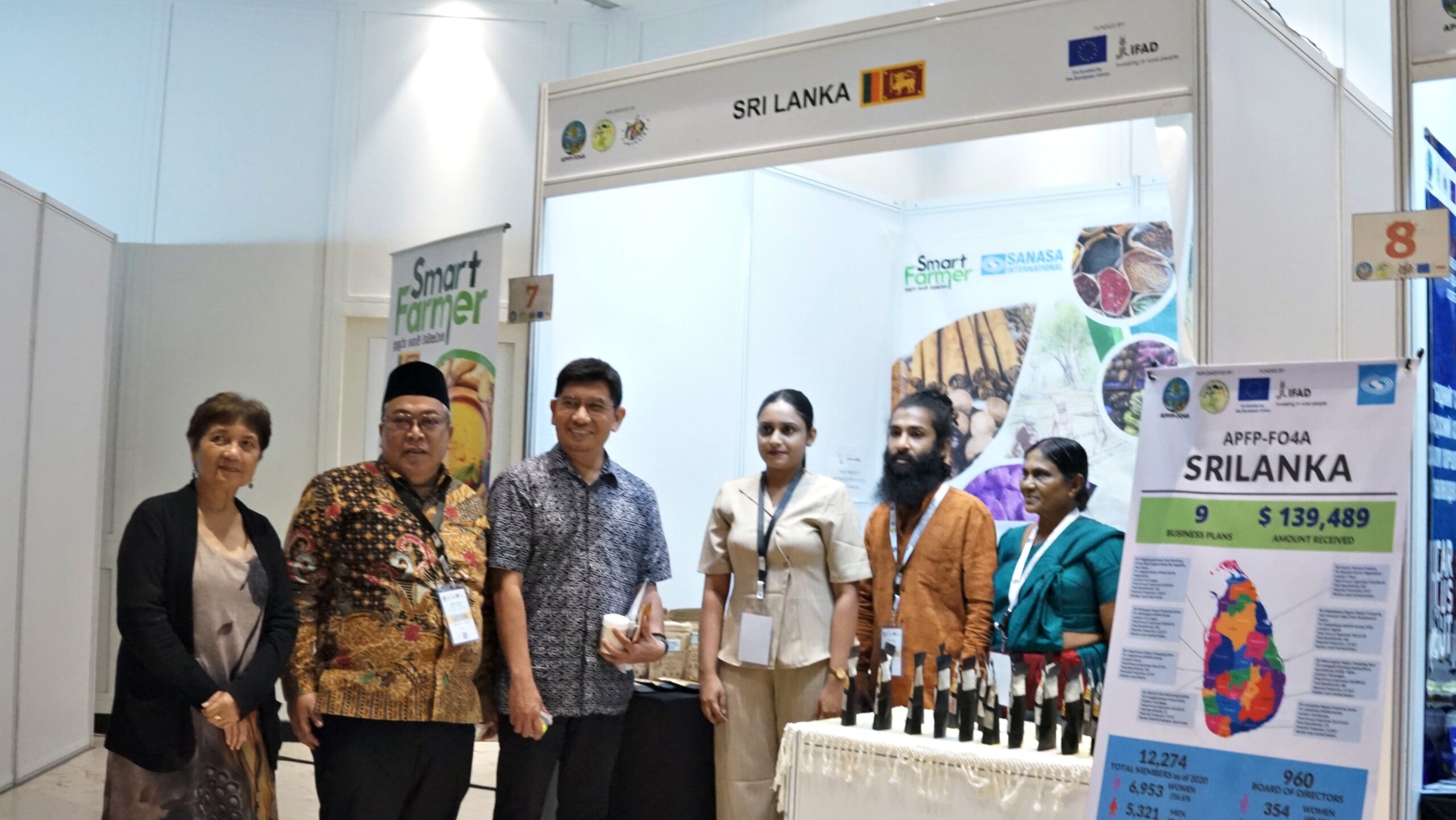
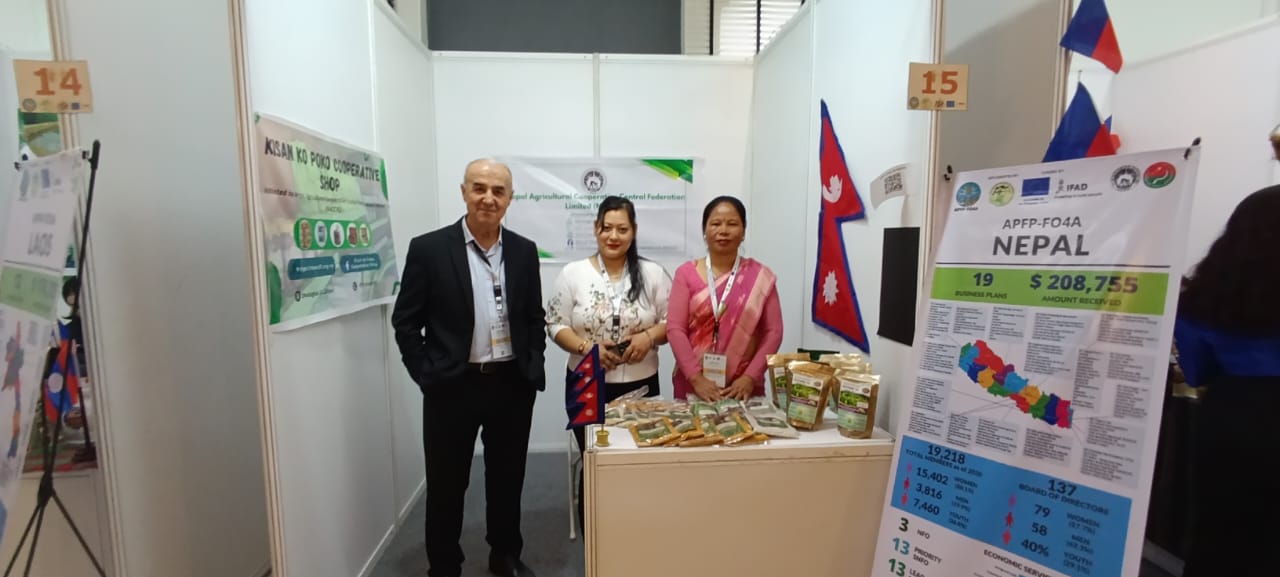
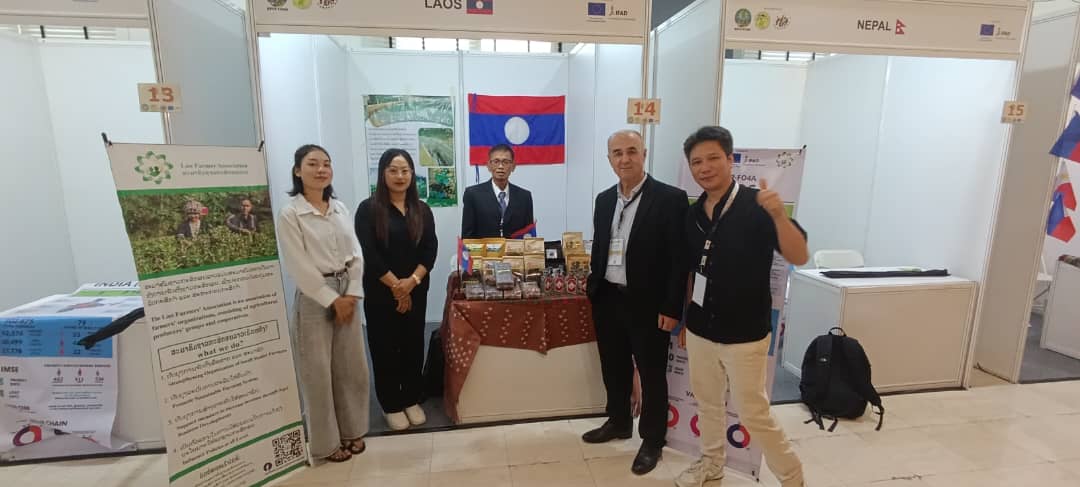
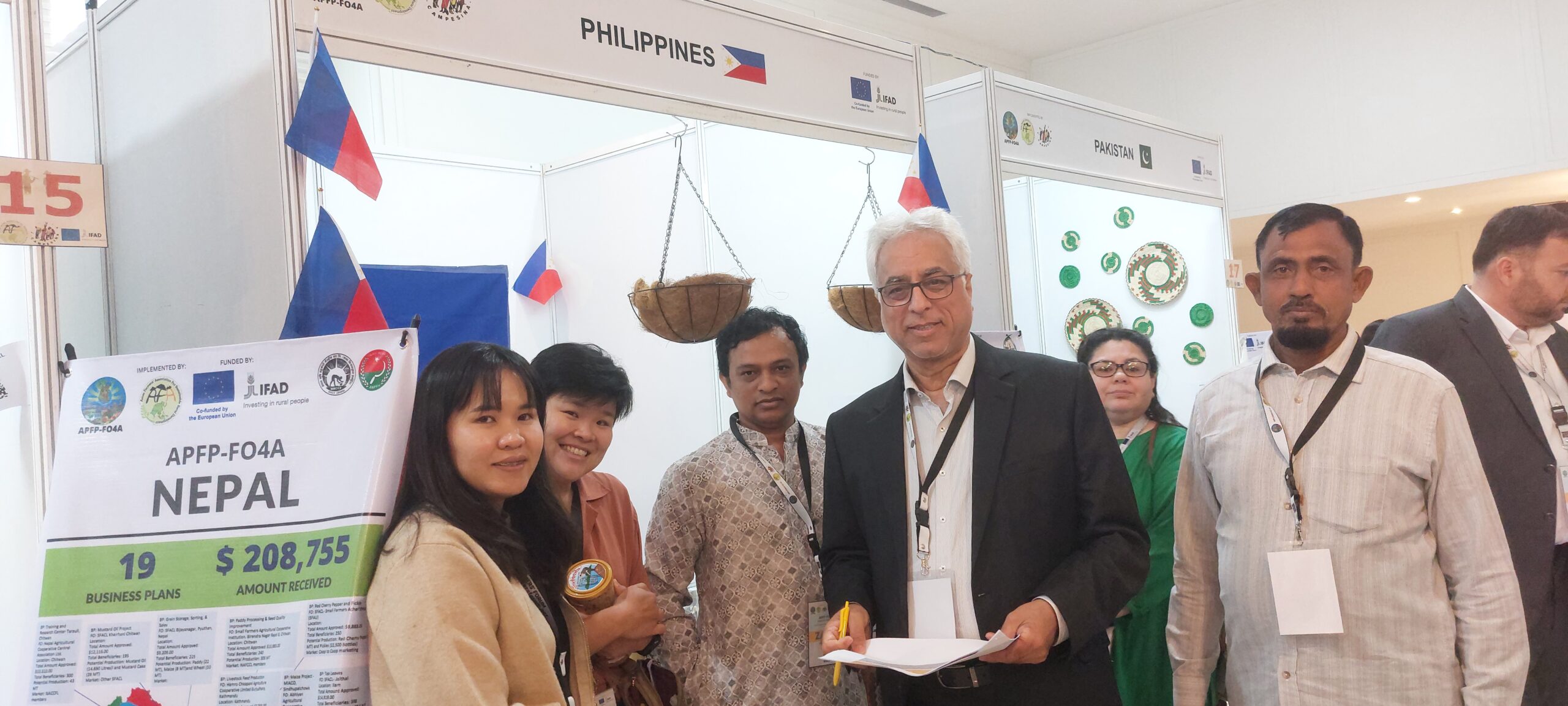
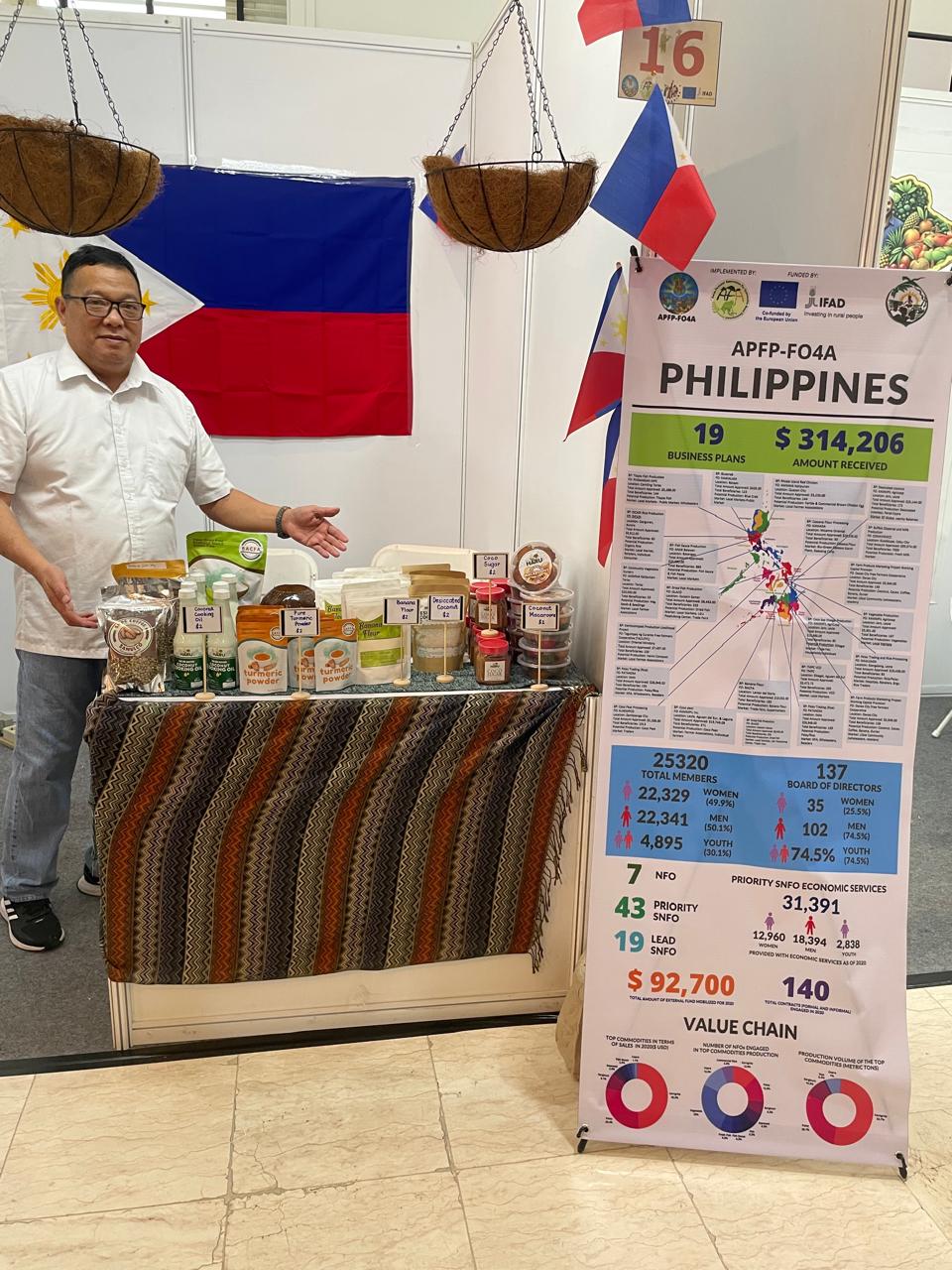
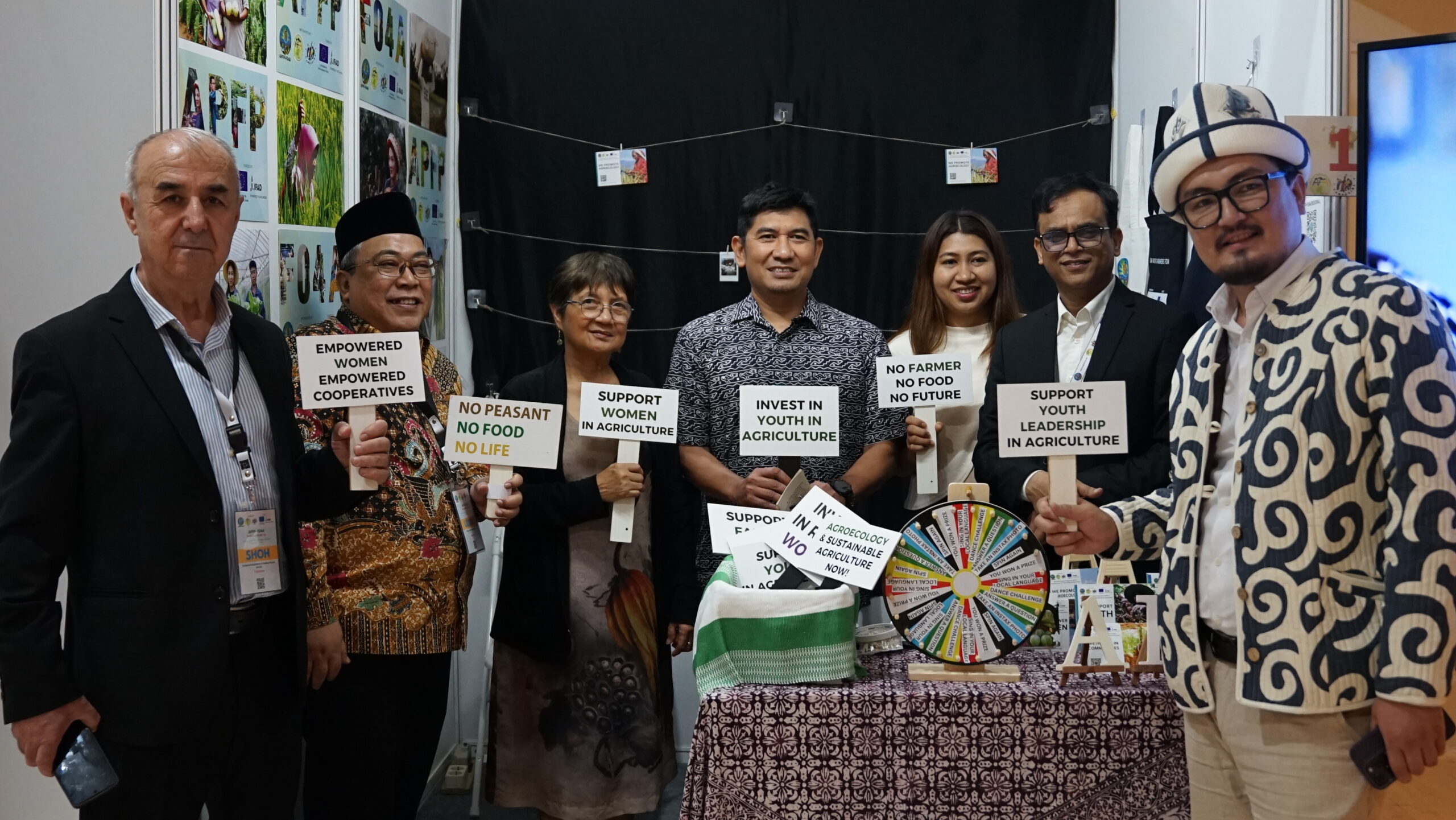
The Trade Fair booths were officially opened, showcasing products from participating farmers’ organizations. Participants visited the booths, explored the products, engaged directly with the farmers, and judged for the best booth and best photo.
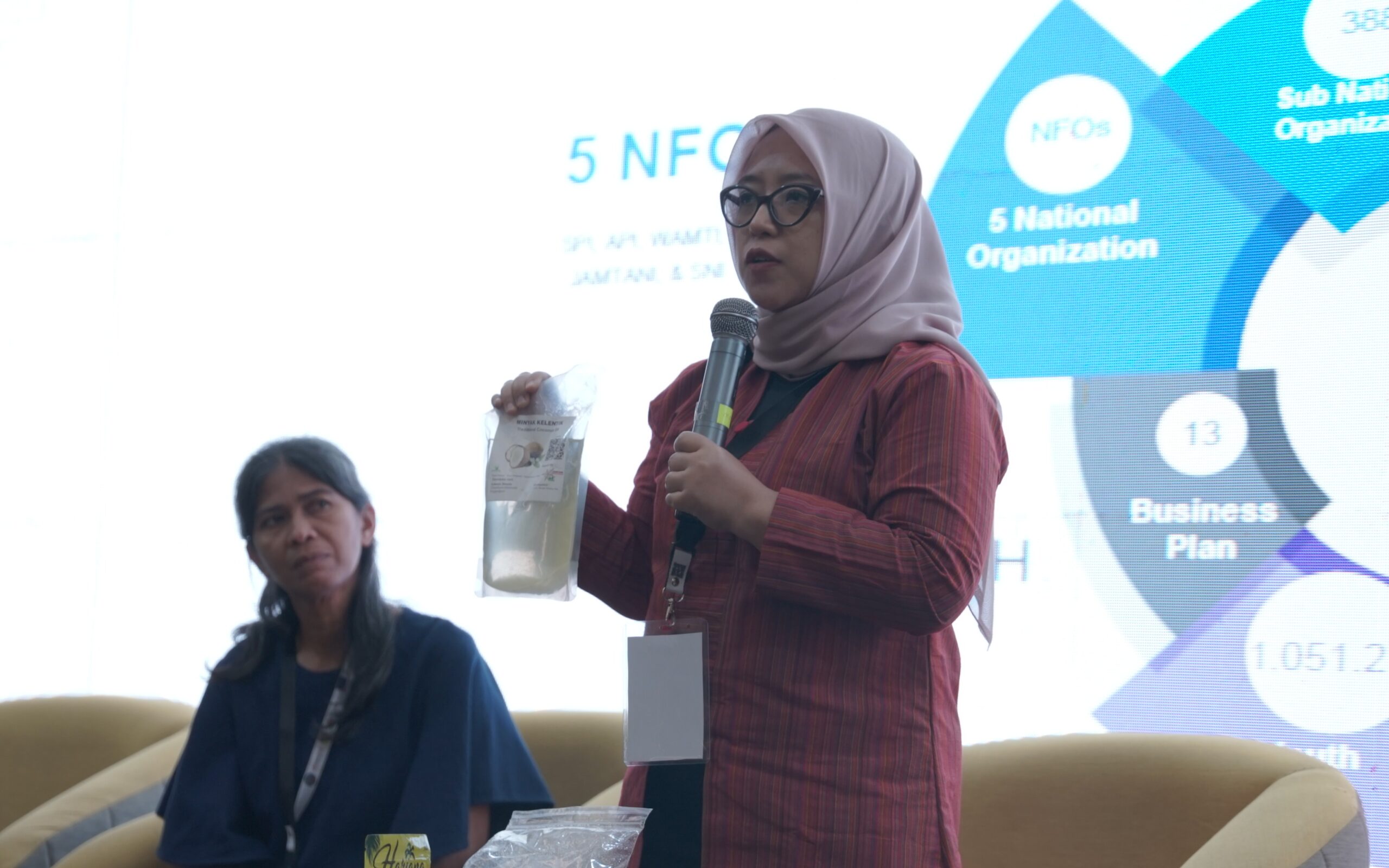
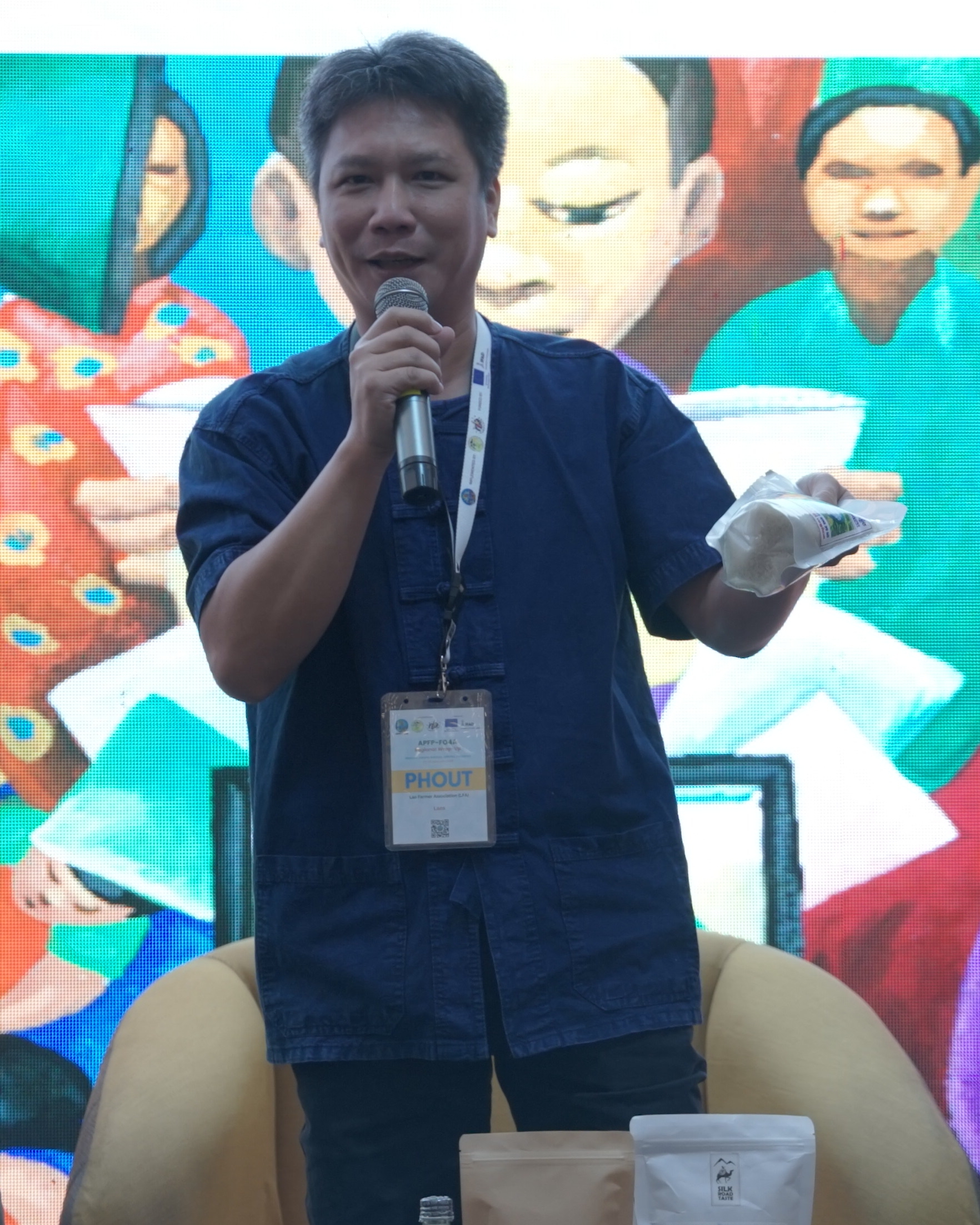
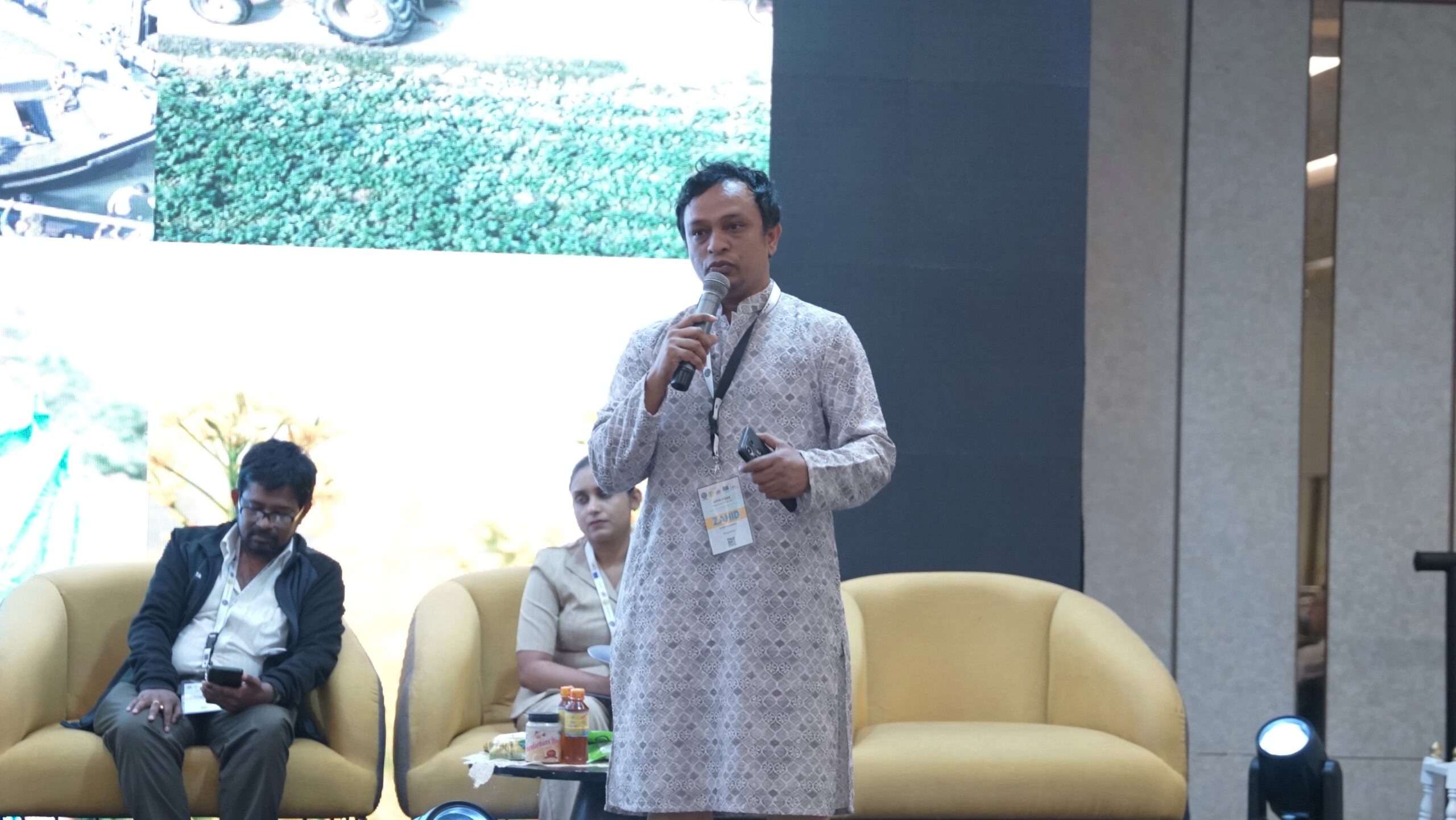
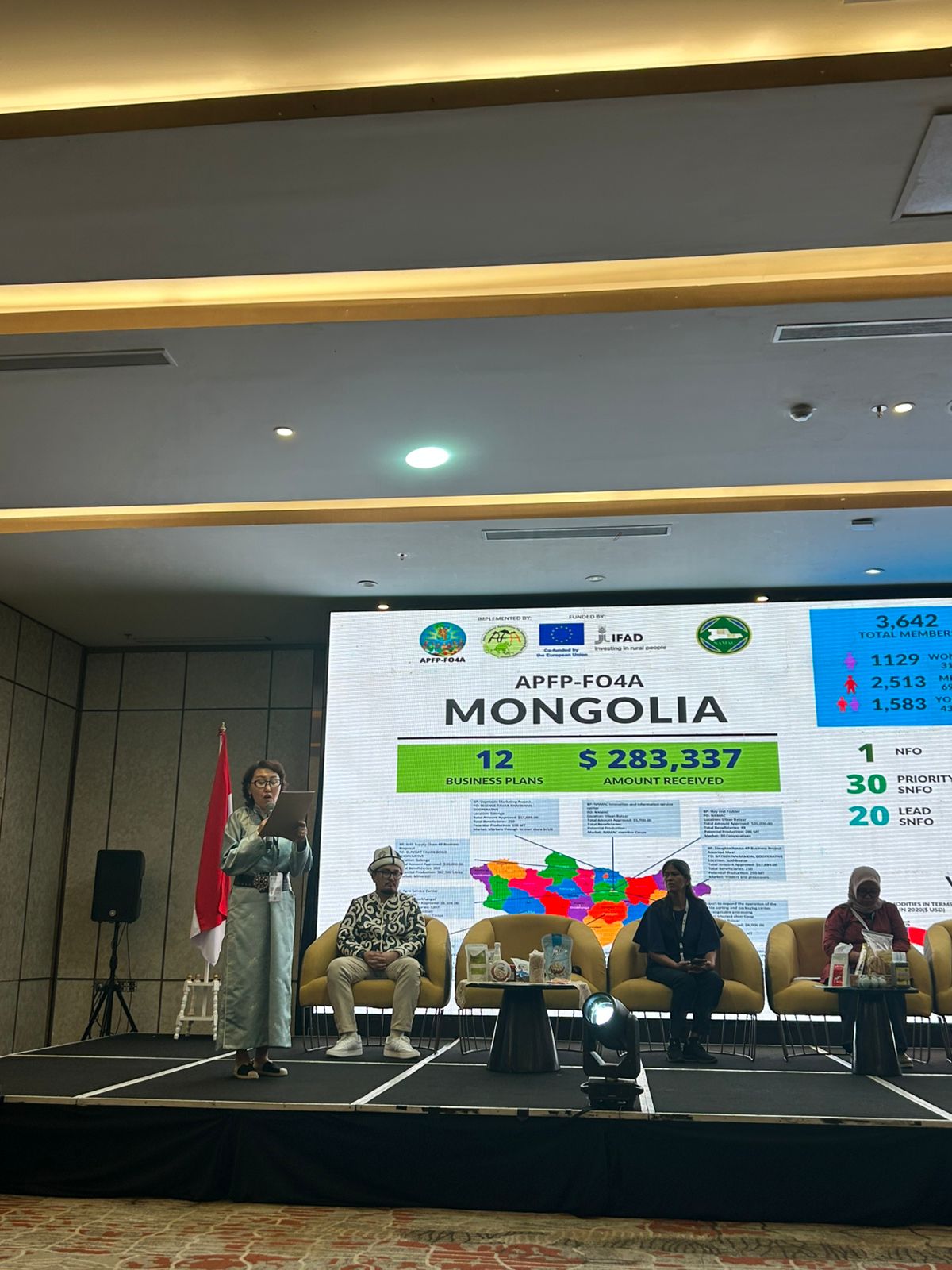
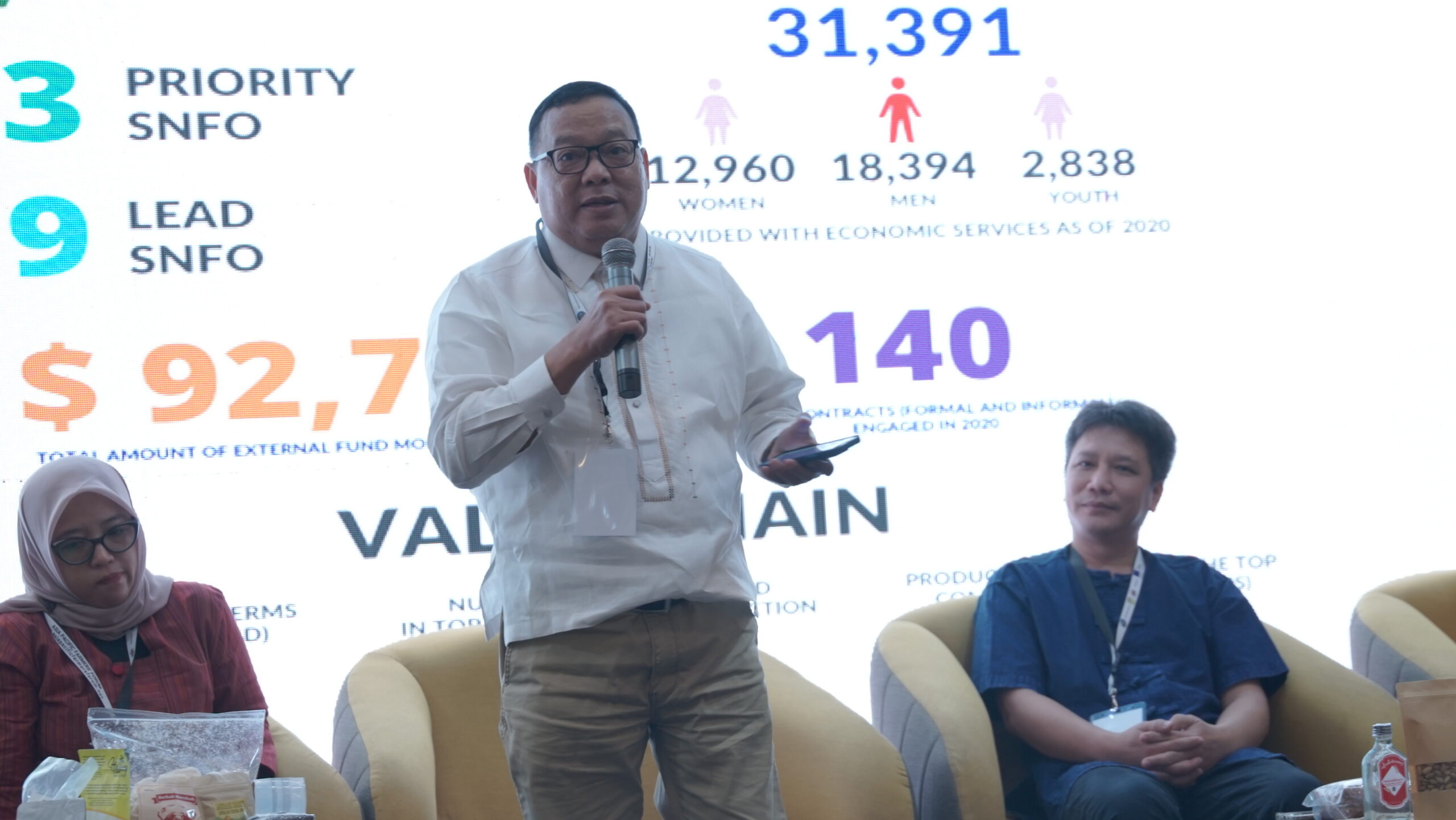
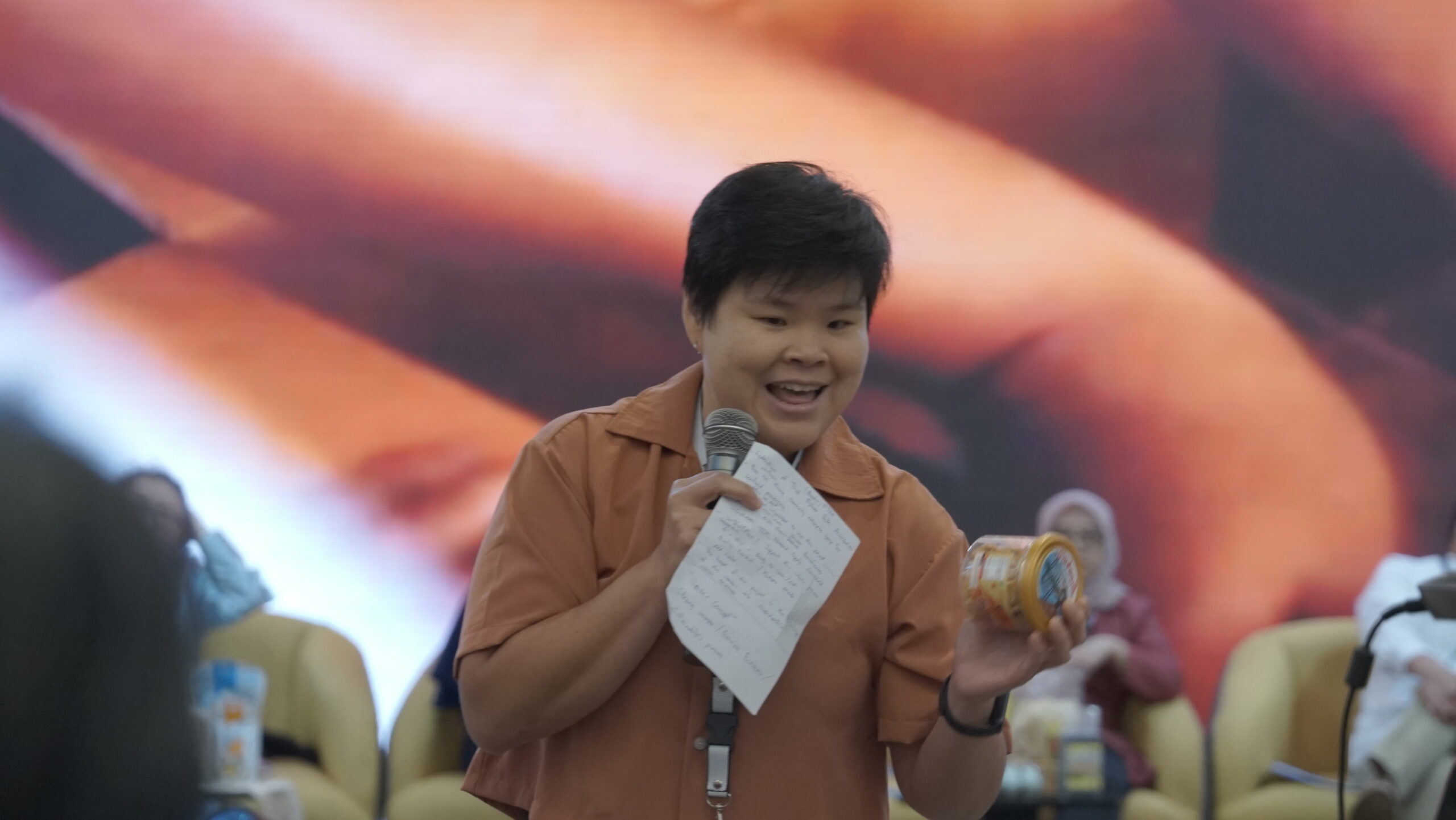
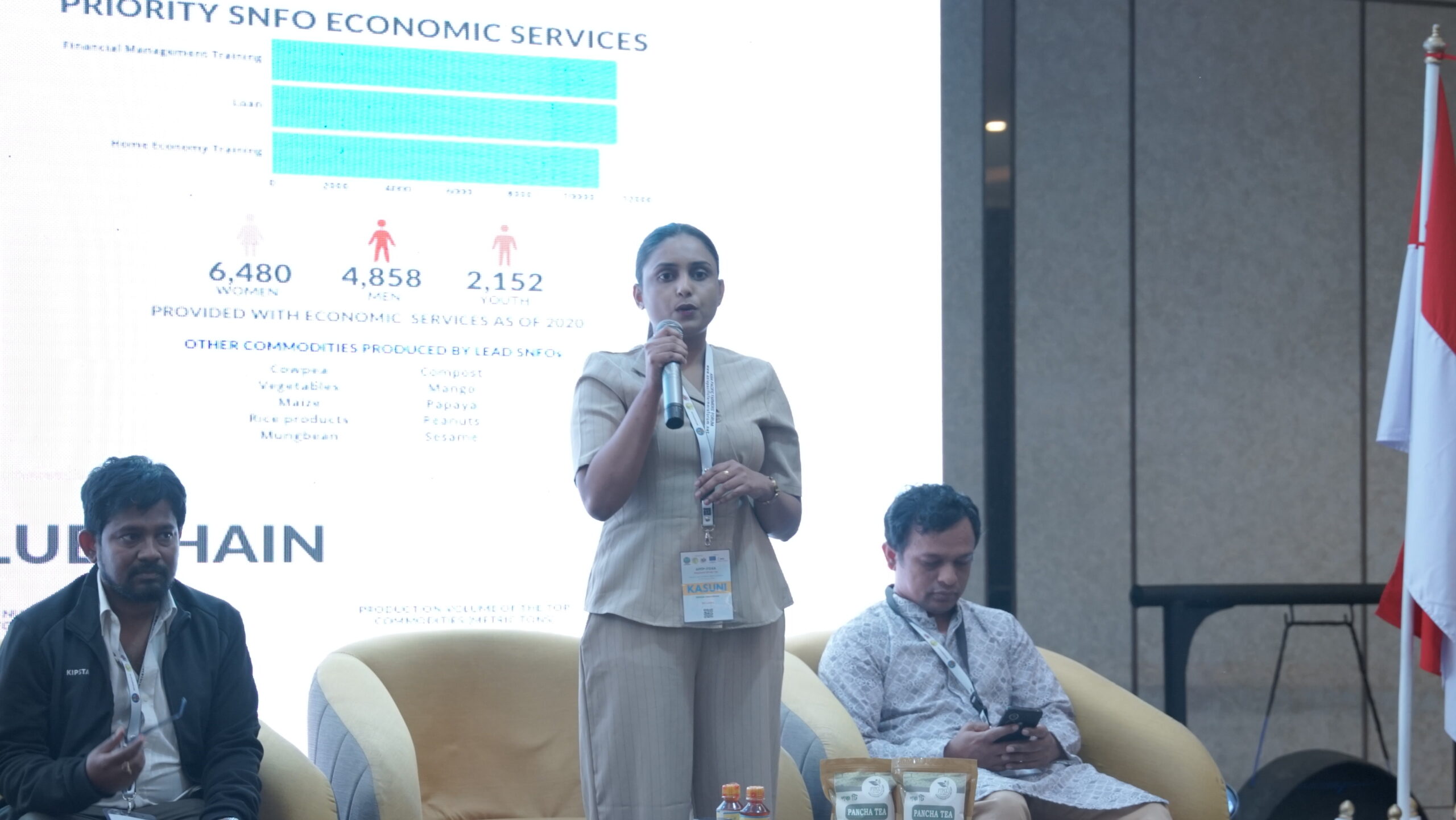
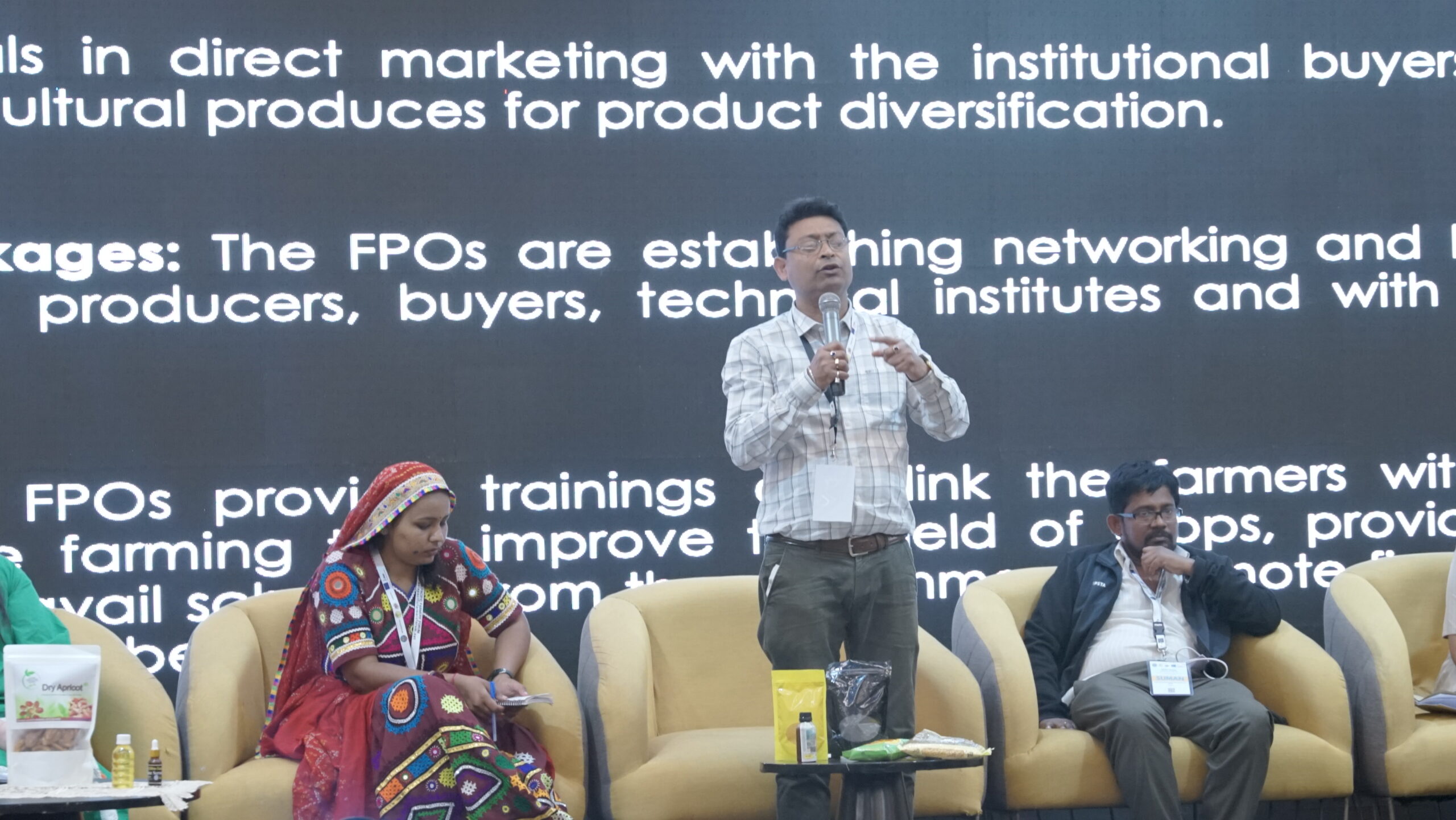
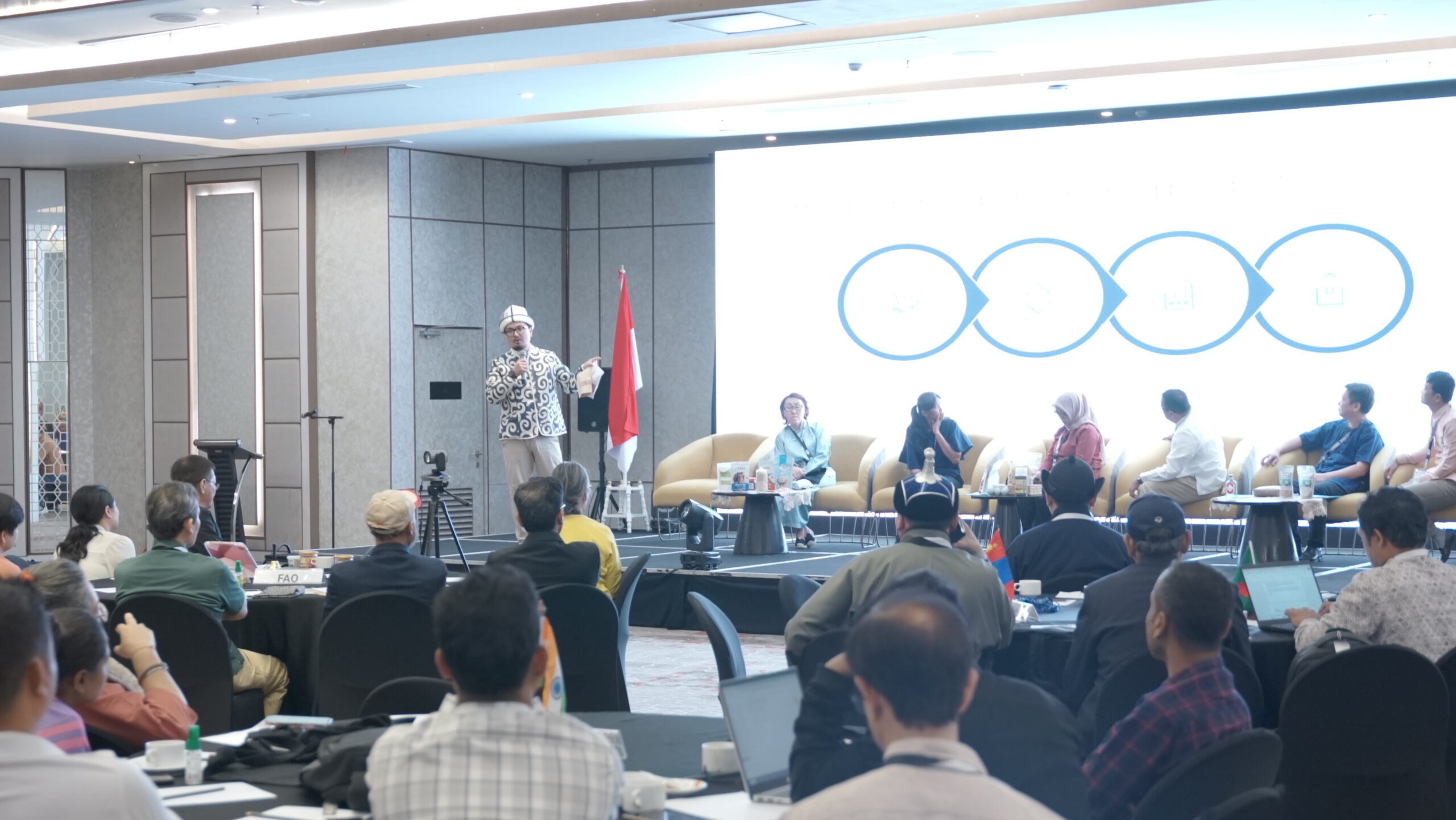
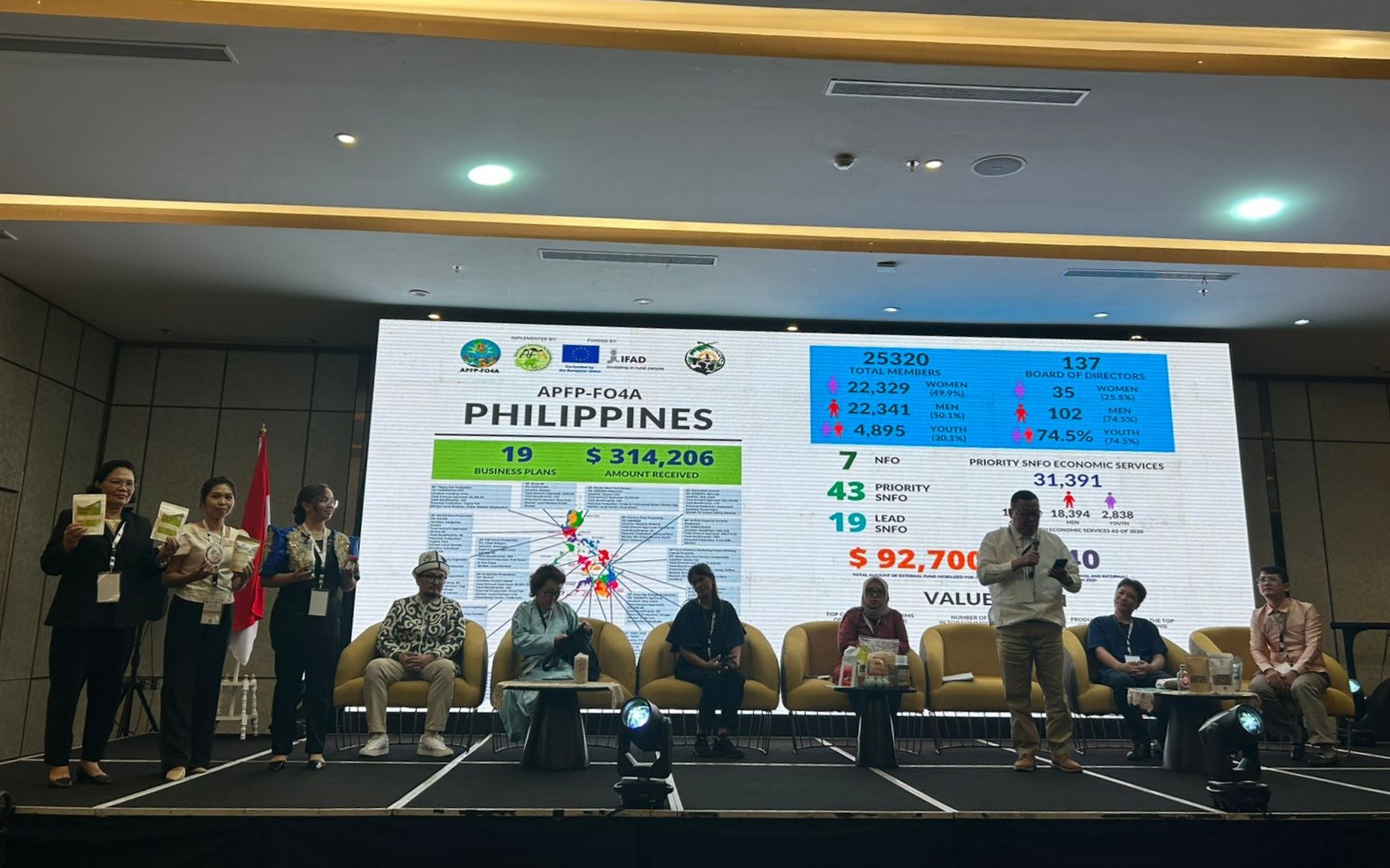
Two batches of farmer organizations presented value-added products to the participants, showcasing enterprise growth, women and youth leadership, and expanding markets. The pitches highlighted good quality, environmentally-friendly and sustainable practices, partnerships with government and the private sector, and collaborative “friendship products.” Many emphasized indigenous, locally grown products and short value chains — reflecting the journey of small farmers who transformed their struggles into market-ready products reaching both local and global markets.
Facilitated by Bernie Galang of AFA, the pitching session provided an opportunity for National Implementing Agencies (NIAs) to present their products to potential private sector buyers:
- Cambodia: Cooperative-produced rice
- Indonesia: Coffee and salted eggs
- Laos: Rice
- Philippines: Banana flour, highlighting the importance of investing in people, not just commodities
- Thailand: Dried shrimp and fish products, with 20% of profits reinvested in local communities
- Mongolia: A family cooperative model supporting the entire value chain and rural livelihoods
- Kyrgyzstan: Walnut and fruit forests, featuring EU organic-certified walnuts and pistachio products (kernels, oil, flour, paste, and chocolate) with transparent, export-quality value chains
In her synthesis, Bernie highlighted the shared strengths across the presentations—product quality, zero-waste approaches, sustainability, and strong partnerships with government and private sector actors. He emphasized that these offerings represent not only market products but also “friendship products,” reflecting the collective efforts of farmers. Following the session, Irish Dominado and Jane Ramos of AFA oriented participants on booth arrangements and product selection, while Jane announced the group assignments for the judging panel.
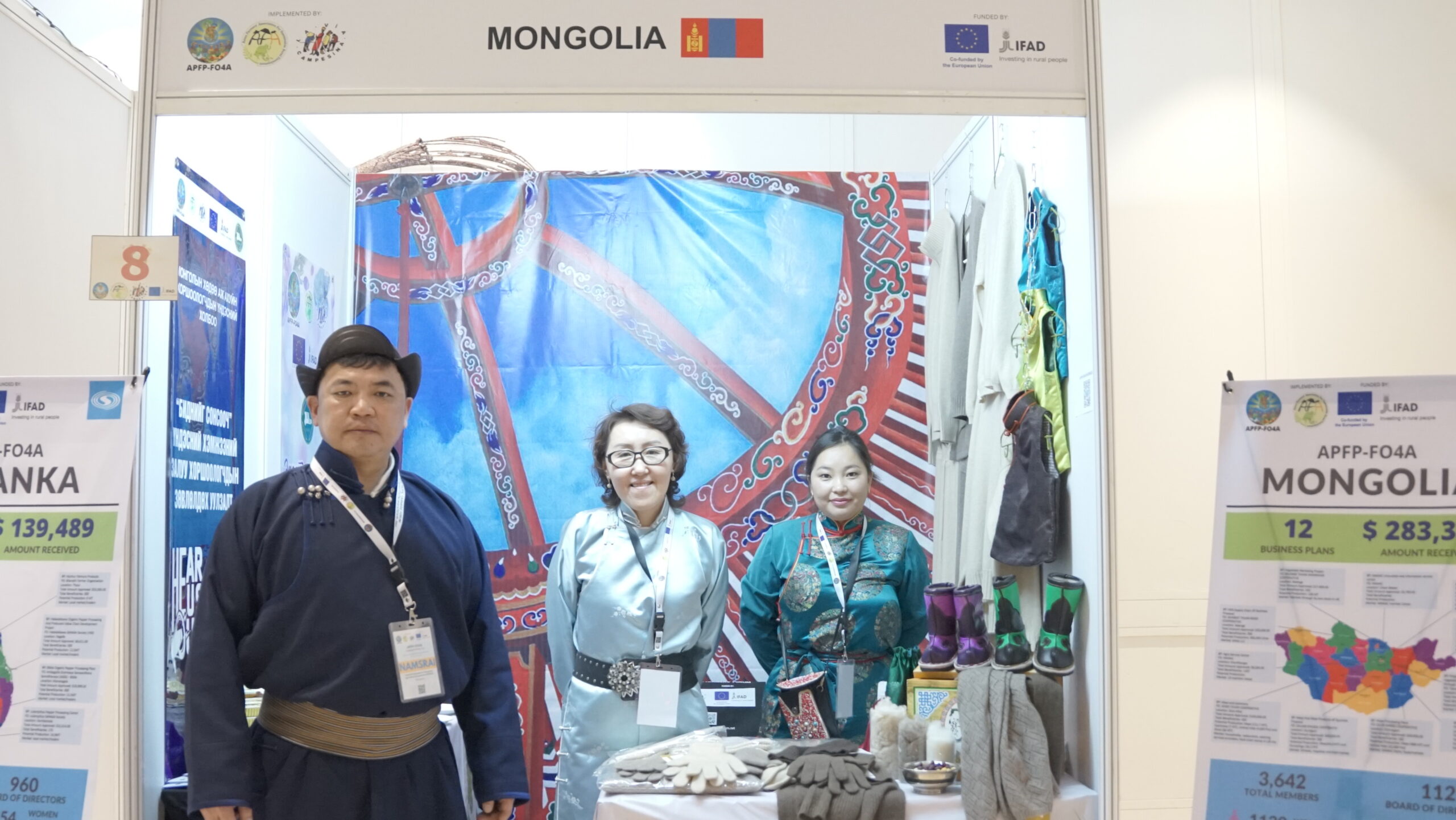
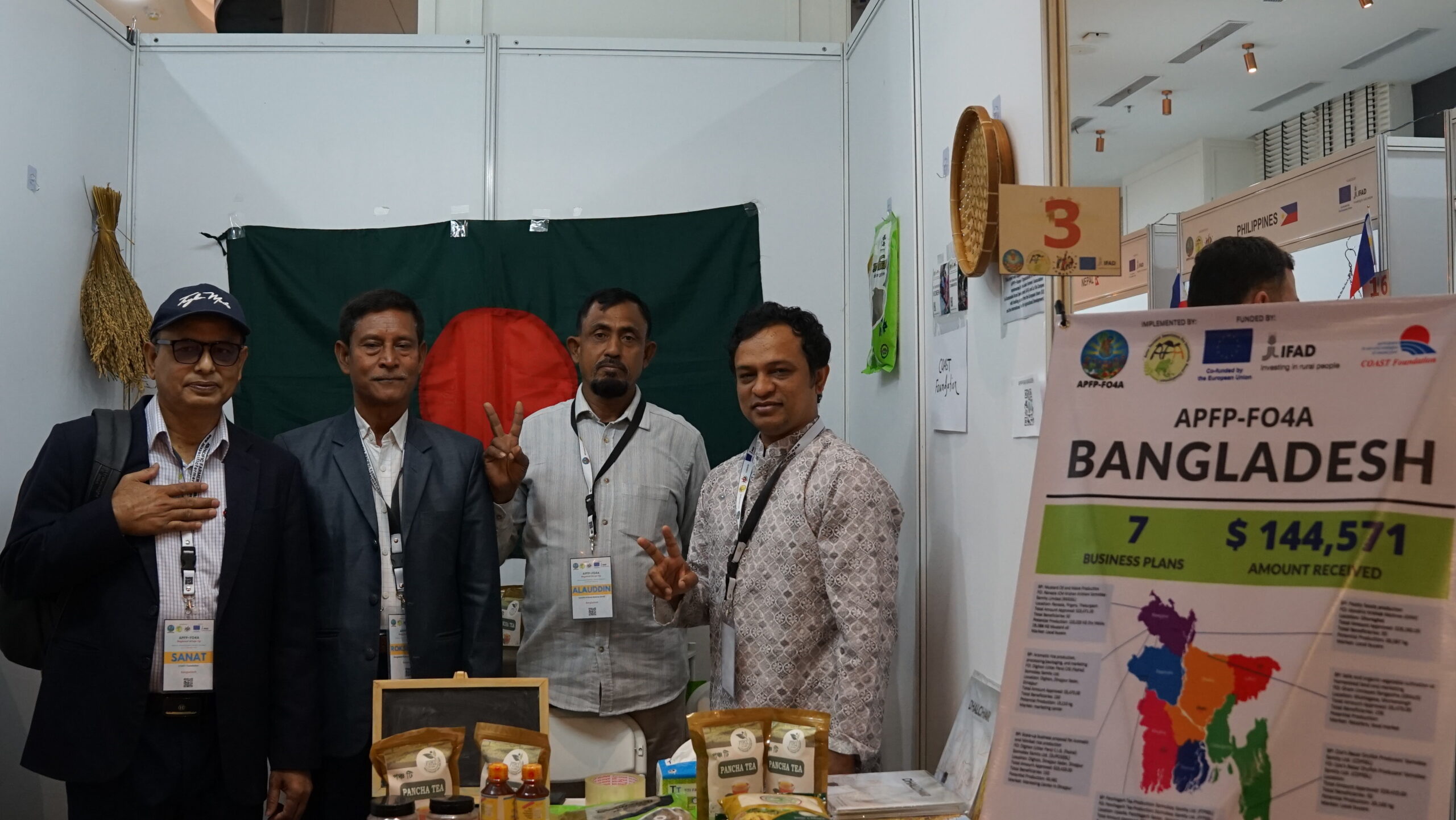
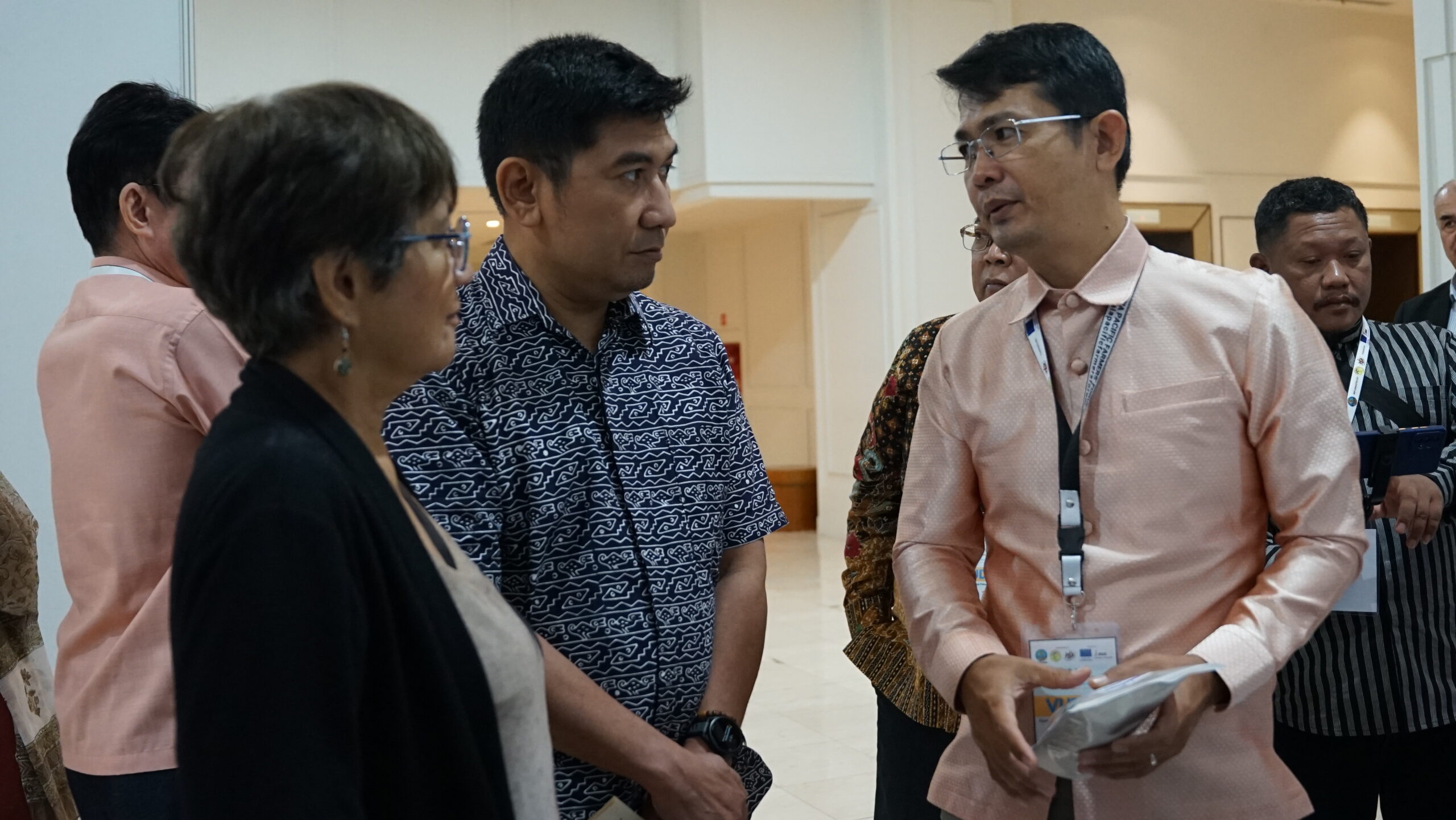
The afternoon session, facilited by Leo Mendoza of AFA, resumed with a short icebreaker, followed by another round of product pitches from participating NIAs:
- Bangladesh: Aromatic rice, with reflections on navigating crises and strengthening the strategic role of NIAs.
- Sri Lanka: Spices (cinnamon, cloves, pepper), peanuts, and turmeric.
- India (IMSE): Fabric products.
- India (NEICORD): Broom, black pepper, ginger, pineapple, jackfruit, and cashew; highlighting strong farmer–business relationships and a focus on unity and quality production.
- India (SEWA/other): Potatoes and apples from women farmer-led initiatives.
- Pakistan (ASF): Apricots, apples, and sun-dried apricots.
- Nepal: Green tea.
In his synthesis, Leo highlighted the unique indigenous qualities of the products, short and transparent value chains, and the powerful stories of small farmers organizing themselves to transform challenges into globally marketable products.
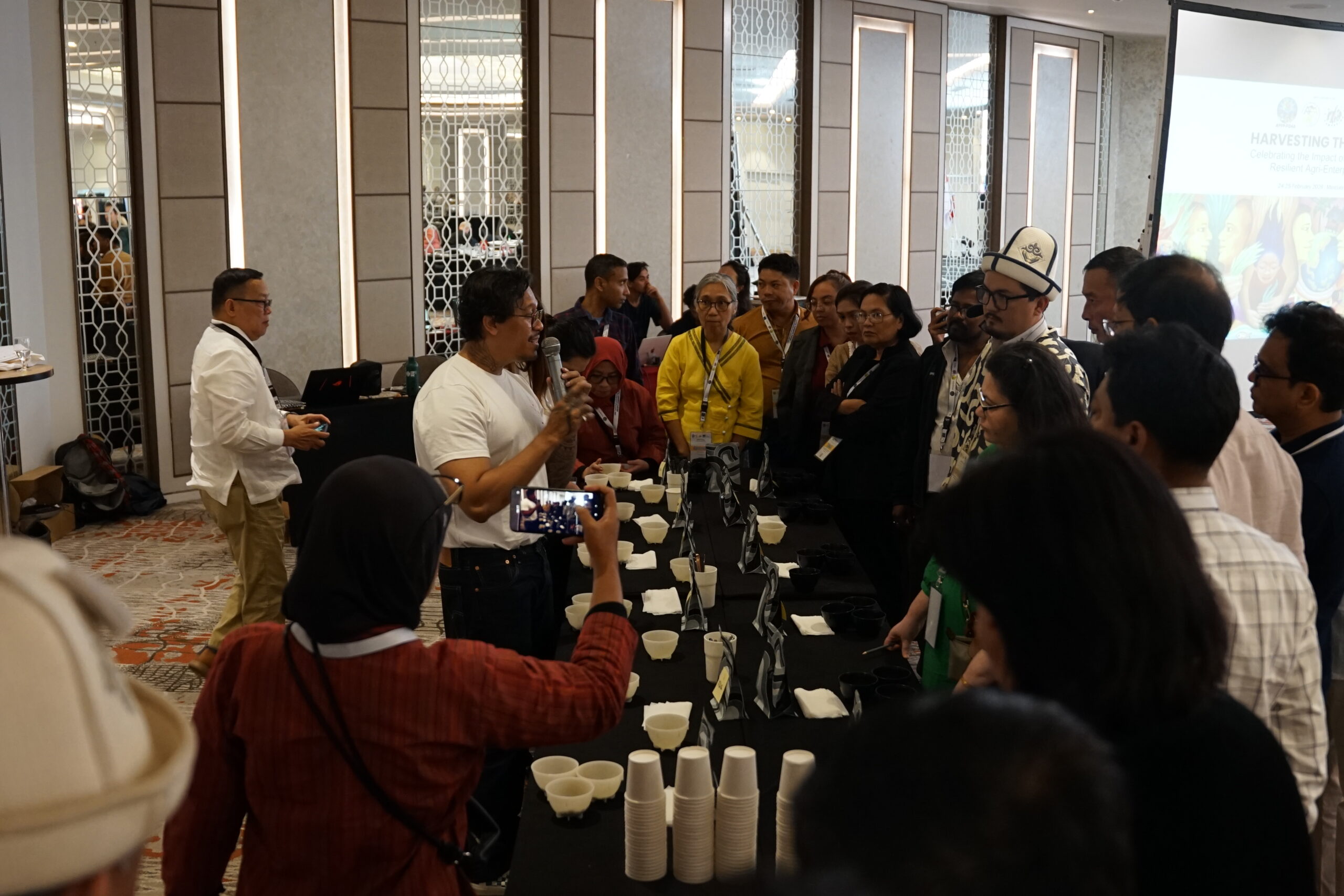
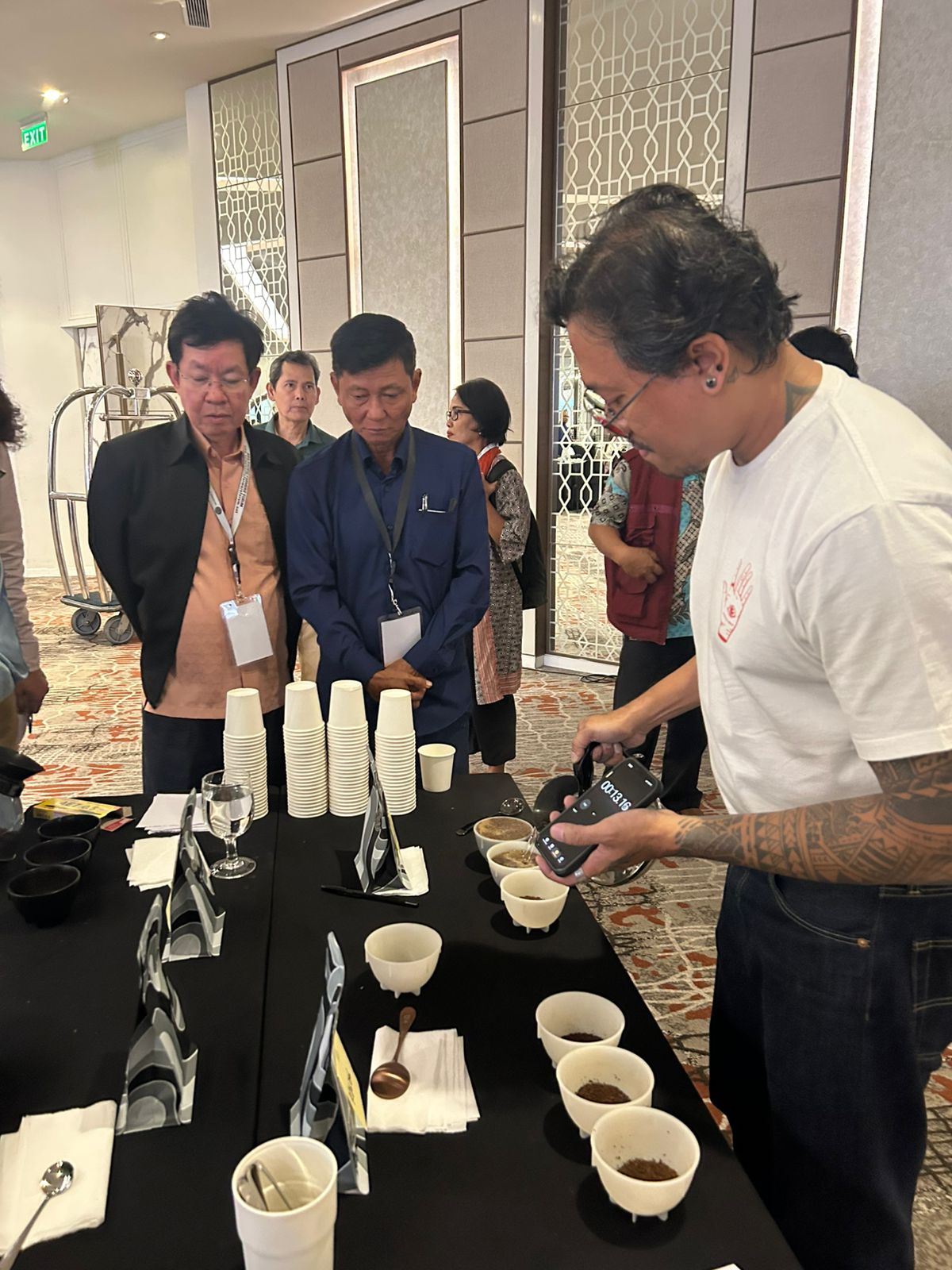
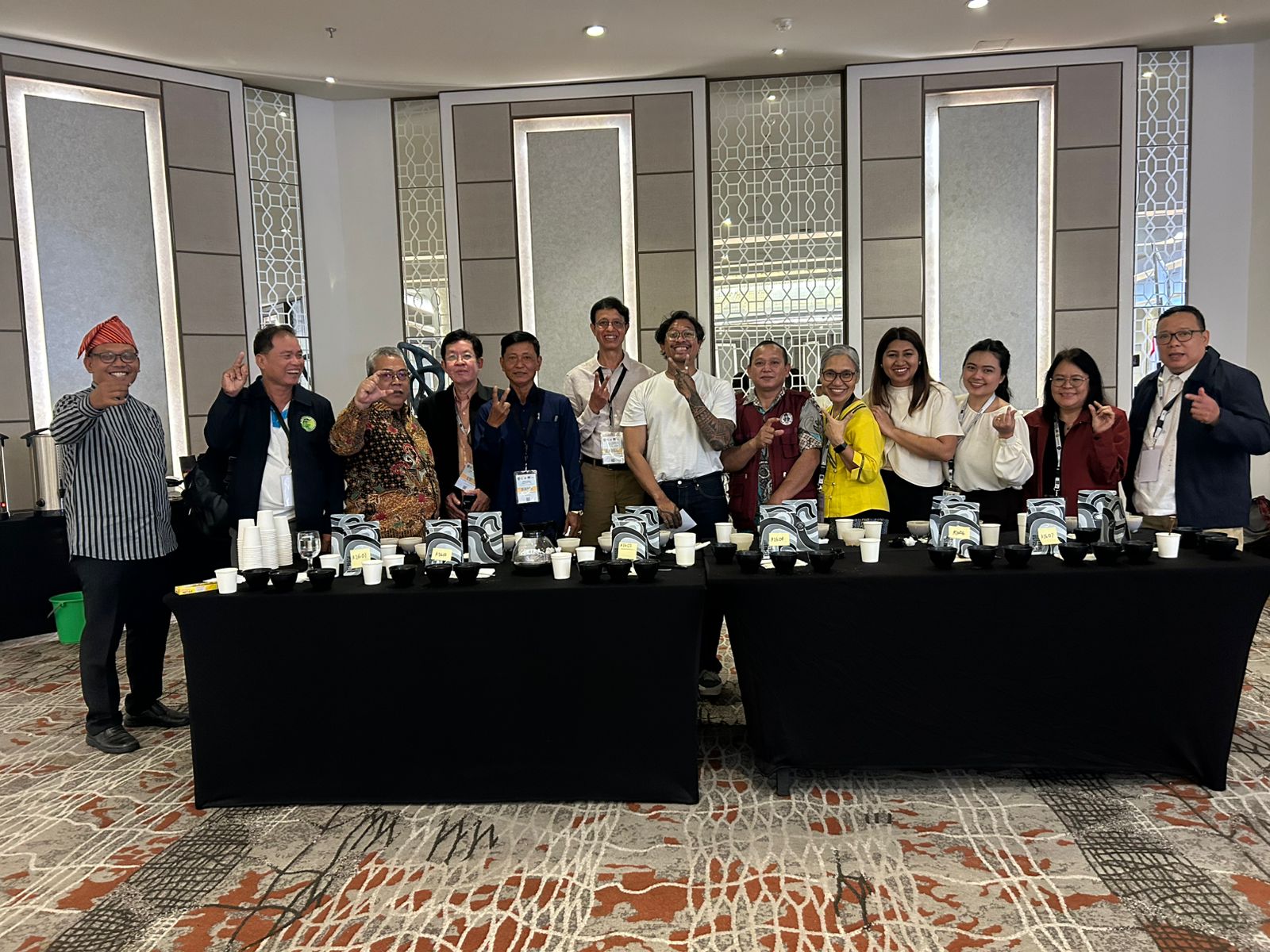
III. Coffee Corner and Cupping Session. The day concluded with a presentation on a successful coffee-farmer project, highlighting how farmer organizations can strengthen production, quality control, and market access through collaboration and capacity building. This was followed by technical discussions on certification requirements, compliance standards, and coffee quality evaluation, providing participants with practical insights into meeting international market standards. The session ended with a hands-on coffee cupping activity, where participants assessed coffee quality, followed by certificates recognizing their engagement and learning.
Panel Discussion on Agro-ecology and Climate Resiliency
Panel Discussion on Women, Nutrition, and Food Systems
Panel Discussion on Agricultural Cooperative Enterprise Development and Rural Finance