
Rice productivity in Tuban Regency is relatively stable, averaging 5.7 tons per hectare, although it still faces variations due to climate and water availability. Tuban Regency harbors an active network of farmer groups and farmer associations (Gapoktan), some of which have partnered with government and private institutions in seed assistance programs. With a harvested area reaching 84,000 hectares by 2024, the potential market for seeds is substantial, both for local needs and distribution to surrounding districts. This makes Tuban competitive enough to be developed as a rice seed production centre in East Java. The establishment of the Tuban Peasants Union Production Cooperative is a strategic step to optimize agricultural potential in Tuban and Bojonegoro Regencies. Through this cooperative, farmers can be more empowered and prosperous, and able to face increasingly complex economic challenges. It is also hoped that this cooperative can become a model for other regions in developing their agricultural sector.
The Tuban and Bojonegoro Regencies in East Java Province, Indonesia, harbour huge farm areas with high potency of agriculture. However, farmers in the area often face various challenges, such as access to capital, technology, markets, and fluctuating prices. To answer this challenge and to improve the well-being of farmers, it needs an institution that can help farmers manage their business in a way more efficient and effective.
Tuban and Bojonegoro are regions with extensive land and fertile agriculture. Most of the population depends on the agriculture sector, particularly rice, and other food commodities. However, this great potential has not been met with an optimal management and distribution system yet. Many farmers are still practicing traditional methods of conventional farming, while there is also a lack of access to sustainable agriculture technology, business capital, and wider markets.
In terms of sustainable agriculture developments, it is a great opportunity to develop the sector in Tuban and Bojonegoro through a more integrated farming system approach. One way to maximize this potential is by establishing a cooperative that can deliver services and help farmers in various aspects, such as breeding, production, post-harvest processing, and marketing. This cooperative can also play a role in the distribution of basic necessities that are really needed by the local community.
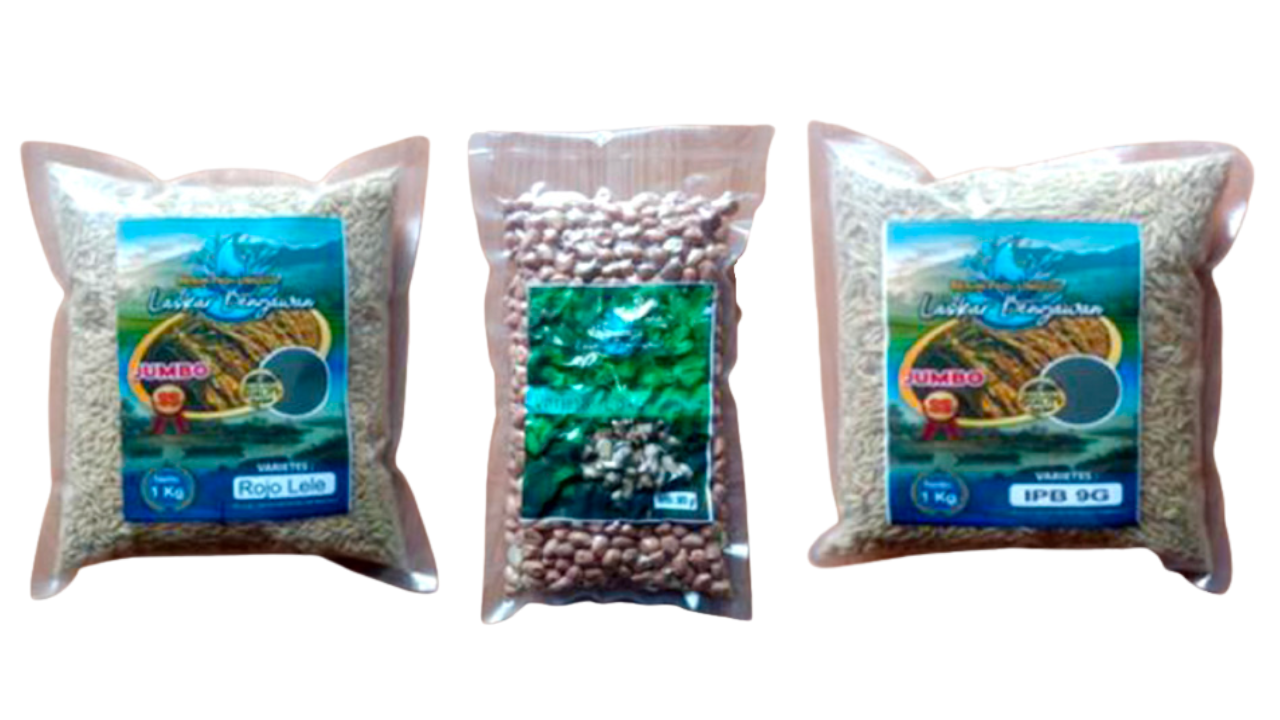
The producer cooperative of Tuban Peasants Union was founded in 2018 under the umbrella institution of the people’s organization namely Serikat Petani Tuban (SPT) or Tuban Peasants’ Union, which was founded in 2001. SPT has a historical and ideological relationship with the Aliansi Petani Indonesia (API) (Indonesian Peasants’ Alliance), which has a social mandate to improve the welfare of farmers because the many farmers are still dependent on agricultural production facilities and markets. The objective is for producer cooperatives to reduce the dependence on external seeds, fertilizers, pesticides, and other market inputs.
Tuban Peasant Union Cooperative (SPT Cooperative) is an agricultural cooperative movement organized under the Aliansi Petani Indonesia (API) as National Farmers’ Organization (NFO) supported by the APFP-FO4A pogram. APFP-FO4A provided capacity building and funding through the Challenge Fund program. The support aims to strengthen economic institutions led by Farmers Organizations and support for investment and working capital to develop agricultural enterprises according to their flagship product, with a cooperative business maturity. In addition, API, as the the National Implementing Agency (NIA) of APFP-FO4A in Indonesia, provided service capacity building to the cooperative and member farmers, provided technical assistance and business incubation to cooperative management and members, including policy advocacy through lobbying, policy dialog, multi-stakeholders’ consultation.
The Asia-Pacific Farmers’ Program (APFP) – Farmers’ Organizations for Asia (FO4A) is implemented by the Asian Farmers’ Association for Sustainable Rural Development (AFA) and La Via Campesina (LVC), with funding from the European Union (EU) and the International Fund for Agricultural Development (IFAD). The program aims to strengthen the capacities of farmers’ organizations to provide economic services, advocate for enabling policies, and promote sustainable livelihoods for small-scale family farmers across Asia.
Challenges and efforts to overcome them
The urgency of establishing the Cooperative of Tuban Peasants’ Union is the independence of farmer members in terms of seed production, input production, and sovereignty over the market. The existence of a cooperative platform can help farmers to collaborate with private companies, entrepreneurs, and the government.
In 2024, the number of Tuban Peasants Union Production Cooperative members was 110 persons. The existing market network is the Tuban local farmers market, farmer groups in Bojonegoro Regency, and partner breeders and seed distributors (namely CV TANI MULYO, PT ABM, PT PERTOSIDA, and the Bojonegoro and Tuban Agricultural Services).
The enhancement of rice production faced various challenges, such as scarcity of raw material standards, lack of skilled workforce, and inadequate infrastructure. Additionally, adoption of new technology and investment for innovation is often constrained by high costs, while operational efficiency become attention with suboptimal production processes and complex supply chain management.
The lack of infrastructure was also hindering the transportation and distribution of agri-cultural produces, as well as the lack of market information that makes it hard for farmers to determine the competitive selling price. At the same time, the domination of middlemen and intermediaries often reduces the profits received by farmers, while the lack of access to technology and resources for processing and storing the harvest will reduce the competitive price of their products. Other support, such as government policy, infrastructure development, improving access to information, and strengthening the cooperatives and groups of farmers, can help farmers to overcome these challenges. So farmers can sell their products more efficiently and be able to earn a fair price.
Weak farmer entrepreneurship is a significant challenge in improving the welfare and productivity of the agricultural sector. Many farmers have limited business and management knowledge, a lack of access to entrepreneurship training, and capital to develop agribusinesses. In addition, a lack of access to modern technology and market information prevents them from innovating and optimizing production results. Without adequate support, such as entrepreneurship education, access to financing, and technology, it is difficult for farmers to move from being merely producers to competitive business actors in the market. Support from governments and non-government organizations in providing training, access to credit, and technology is critical to overcome these weaknesses and encourage entrepreneurship among farmers.
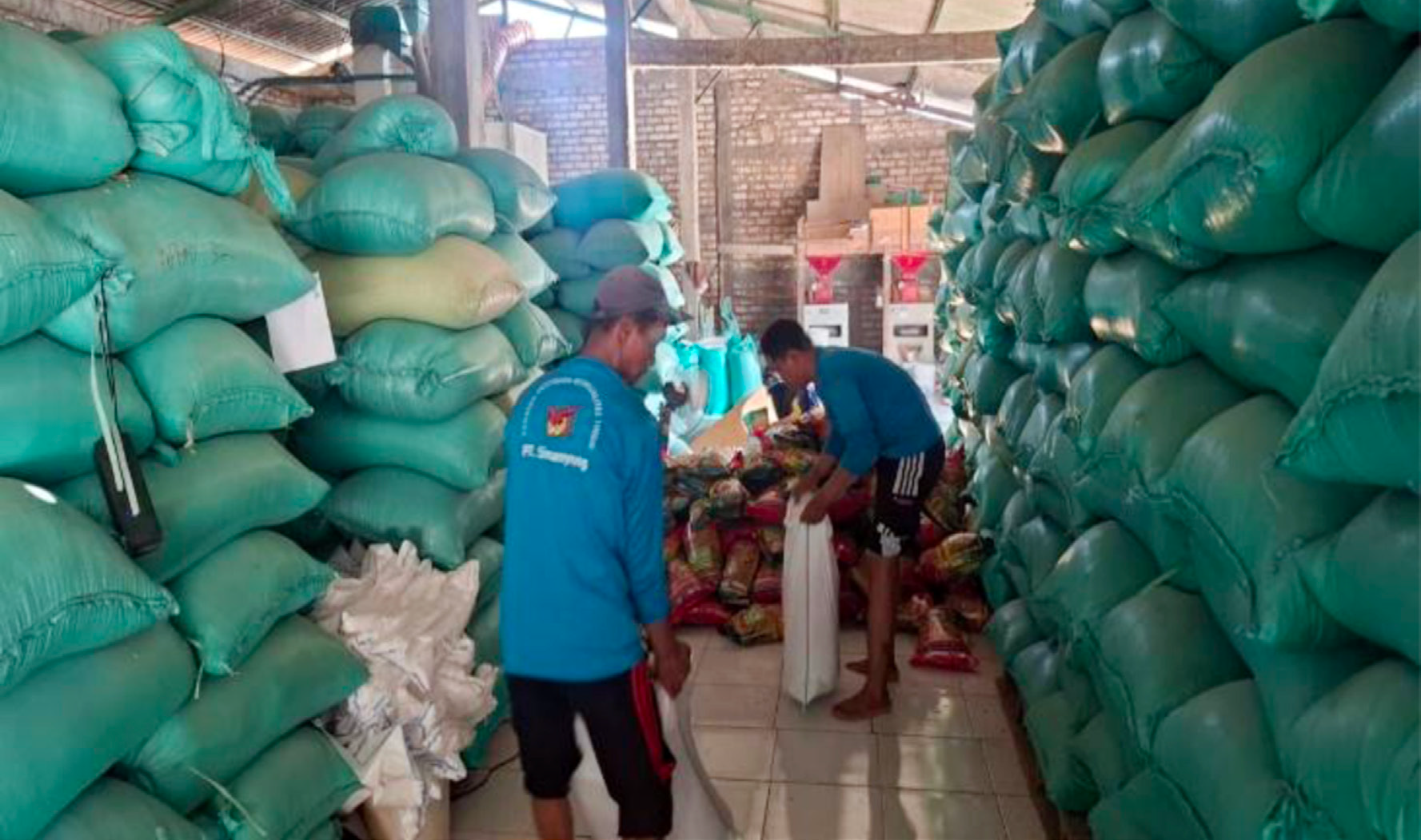
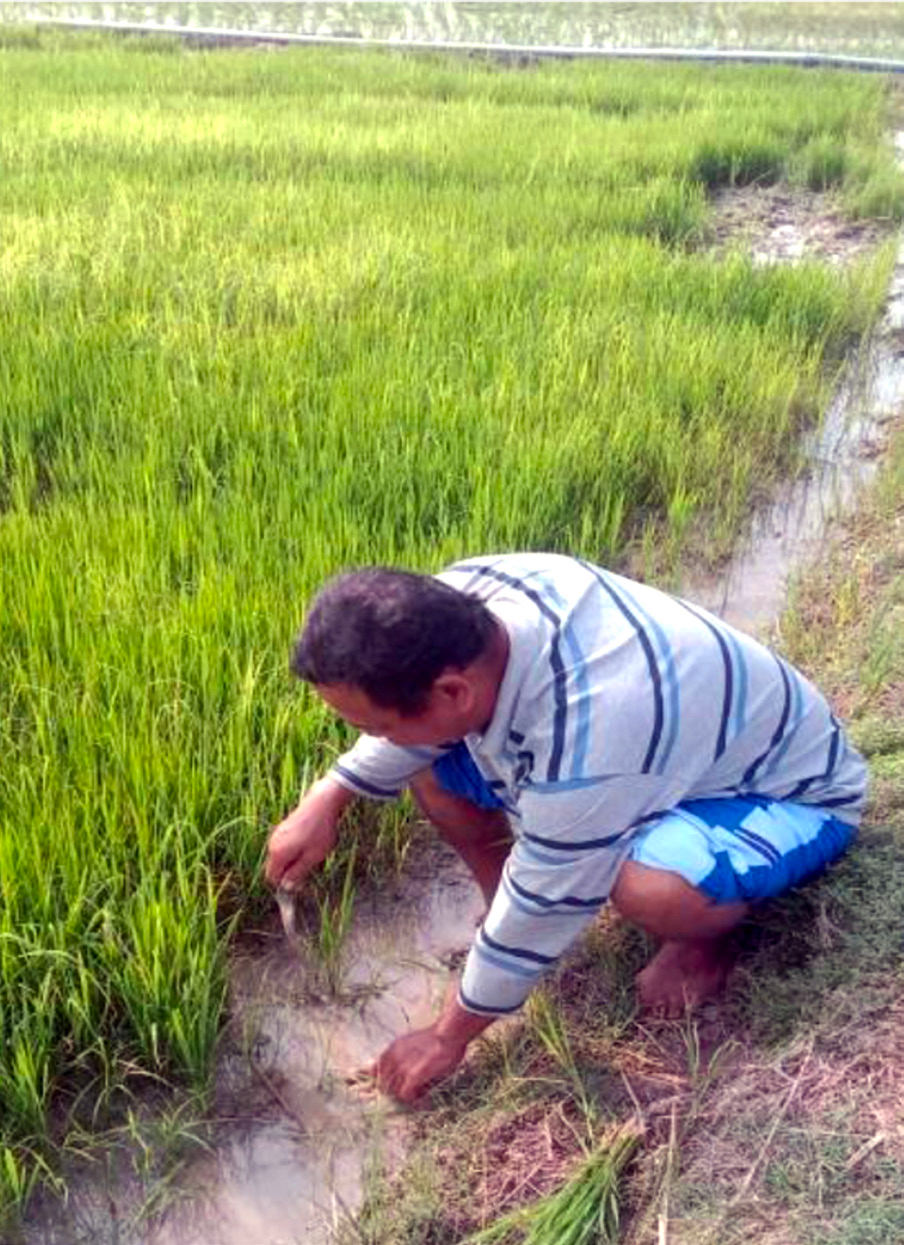
| Tuban, A Center of Competitive Rice Seed Production in East Java Tuban Regency is one of East Java’s food security areas, with rice production reaching 523,000 tons of unhusked rice (GKG) by 2024. The potential for irrigated rice fields is quite extensive, supporting the development of rice seed businesses. With an average rice seed requirement of 10-25 kg/ha per planting season, the demand for certified seeds in Tuban and the surrounding area continues to increase. This opens up business opportunities for rice seed production, which has a higher added value than unhusked rice, while at the same time it is strengthening regional food security. Rice productivity in Tuban is relatively stable, averaging 5.7 tons per hectare, although it still faces variations due to climate and water availability. Tuban has an active network of farmer groups and farmer associations (Gapoktan), some of which have partnered with government and private institutions in seed assistance programs. With a harvested area reaching 84,000 ha by 2024, the potential market for seeds is substantial, both for local needs and distribution to surrounding districts. This makes Tuban competitive enough to be developed as a rice seed production centre in East Java. |
Core Business of Tuban Farmer Union Cooperative (SPT Cooperative)
The Core Business organized by the Tuban Farmer Union Cooperative (SPT Cooperative) is the development of the Sustainable Rice Seed and Collective Marketing. The business process are as follows (i) collect foundation seed of rice for produce propagation seed (ii) organize farmers members for rice seed breeding; (iii) conducting seed breeding on the farmers’ rice field organized by SPT Cooperative and seed certification processes, (iv) conduct quality control and supervision to member farmers, (v) purchase paddy seed from farmer seed breeding organized by SPT Cooperative, (vi) conduct processing, certification, labelling and packaging (vi) organize marketing and distributing to partner, farmer associations (Gapoktan) and farmers. The mission of those business services is as follows: (i) increasing the productivity and quality of agricultural products, especially rice, through standardized breeding businesses and using modern technology. (ii) increasing farmers’ access to capital, technology and markets. (iii) providing basic food needs for the community at affordable prices and guaranteed quality. (iv) improving the welfare of farmers by ensuring price stability and sales of their agricultural products. (v) developing cooperation between farmers to create solidarity and joint forces in facing market challenges.
To realize the APFP-FO4A support based on the business plan, SPT Cooperative proposed working capital of IDR 300,000,000 (USD 20,000) for the development of this rice seed production business. Meanwhile, SPT Cooperative was supported and mentored by Aliansi Petani Indonesia (API) with an APFP-FO4A program support, cooperating with the European Union and IFAD, with the support to strengthen farmer organizations in running cooperative programs and businesses. It is expected that the support will realize the welfare of rice smallholder farmers, especially by providing sustainable rice seed for smallholder farmers.
API provided technical Assistance to Tuban Peasants Union Cooperative (SPT Cooperative) on formulating a business plan proposal for Sustainable Rice Seed Development and supply chain. SPT Cooperative submits the business plan proposal to NIA. After reviewing the business plan proposal of SPT Cooperative, finalizing and conducting due diligence, NIA submits the business plan proposal to RIA. Thus, this Business plan proposal has received no objection from RIA/IFAD in July, 2024. It was followed up with a cooperation agreement between the API and SPT Cooperative in a contract.
Implementation of the Business Operation
The core business of Tuban Farmer Union Cooperative (SPT Coops) is the development of the rice seed supply chain. In addition, business services of SPT cooperative, namely: (i) organize farmers and purchase rice seed from farmers to process and then distribute to customers, including buyer partners, (ii) provide service for agricultural input such as fertilizer and pesticide, (iii) provide harvesting service, (iv) provide plant pest and disease control. The Cooperative provides services such as purchasing rice seeds from farmers, processing and then distributing to customers, including buyer partners, which amounted to 292.791 kilograms with a total figure of IDR 2,246,267,000 (USD 140,392), providing service for agricultural input, fertilizer, pesticide, and harvesting service (as much as 286 tons), and providing plant and disease control fees, which covered 9 hectares.
As with cooperatives in general and government regulations, the equity resources of Cooperative obtained from primary Saving, Mandatary Saving, Grant. In addition, equity source of capital obtained from liabilities. During July 2024 to August 2025, Tuban Farmer Union Cooperative (SPT Cooperative) has been mobilizing equity and liability totaling IDR 1,611,000,000 (USD 100,688).
| The Challenge Fund (CF) The Challenge Fund (CF) program was implemented in Tuban and Bojonegoro Regency, covering 6 sub-districts, spread across 21 villages, with a total of 300 member farmer households. Meanwhile, there was support provided by NIA BDSO and API BDS, such as capacity building, technical assistance, and business incubation. The business incubation covered: technical assistance for business plans proposal formulation, training on seed certification and distribution procedures, facilitation of SPT Cooperative Legalization, build cooperation between SPT Coops and CV Sumber Rejeki in rice seed processing, MoU between SPT Cooperative and Yayasan Elsal Indonesia on Rice seed Marketing, capacity building SPT Cooperative BOD and staff on financial management and accounting system, formulate accounting system for business model of the SPT Coops, technical assistance for financial recording in accounting system, technical assistance for stock management, farmer dialogue on opportunities for inbreed rice seed production by the SPT producer cooperative with PT Botani seed Indonesia and UD Srikandi Mandiri, training on ISO 9001-2015 standardization, agricultural Kiosk Network Meeting, training on seed certification and distribution procedures for seed breeder farmer, farmers’ dialogue on the prospects of spinach seed breeding. |
Impact and Learning
Funding from the APFP-FO4A to support the Local Economic Development of Tuban Farmer Union Cooperative (SPT Cooperative) as a Business Development of Rice seed supply chain in Tuban and Bojonegroro Regency. It has been improving the economic ecosystem in rural areas. This program contributes to the improvement of income-generating and improve sources of livelihood for small farmers, food and nutrition security, and family farming safety in Tuban and Bojonegoro Regency, particularly in 16 villages. In this case,an agricultural cooperative led by FOs can become an important actor in the development of the economic ecosystem in rural areas, as a rice seed supply chain. It was indicated by the number of rice seeds produced as much as 292,79 tones and economy turnover amounted IDR 2,434,771.652 (USD 152,173) that achieved by SPT Cooperative. The coop can contribute to the improvement of small farmers’ income generating for rice producer farmers, especially in Tuban and Bojo-negoro regency, East Java.
Through the program support from APFP-FO4A, where Tuban Farmer Union Coo-perative (SPT Cooperative) have been strengthened by capacity building, technical assistance, Business incubation and Challenge fund support (CF), thus SPT Cooperative can grow business ecosystem that has contributed to (i) improvement of income generating for smallholder farmer, (ii) contribute to improvement of livelihood sources for rural people, (iii) improved food and nutrition security and family farming safety in rural areas particularly in Tuban and Bojonegoro Regency (iv). The program support can increase the independence of rice seeds in the rural areas.
Based on evidence that APFP-FO4A support can improve the income of 300 peoples included smallholder farmers, both male, female, and youth. The strengthened Agricultural Cooperative Tuban Farmer Union Cooperative (SPT Coop) in Tuban Regency has been contributing to increasing additional income for smallholder farmer and other people.
In addition increase income for small holder producers, it’s an important point that with the business ecosystem led by Tuban Farmer Union Cooperative (SPT Cooperative) can be independent of rice seeds in the rural areas, even during this period, the total production of propagation seed produced by SPT Coop 292,79 tones. Of the net income for social and education, SPT Cooperative realizes in the form of natural fertilizer that is distributed to 128 members.
Various capacity building services provided to SPT Cooperative have increased their knowledge and skill both in cultivation, certification process, supply chain improvement, cooperative management, and market access. In addition, the participation of farmers in cooperatives can be improved. It indicated that 128 people and 300 rice producers were involved in the cooperative and implementing business ecosystem developed by SPT Cooperative.
The role of family farming is very important in the rice seed business ecosystem. This is proven by the 292.79 tons of propagation rice seeds produced by the cooperative originating from the family farming system. At the same time, 300 farmer households engaged in seed breeding. All of them are cultivated in the family farming system.
Opportunities To Increase Business Scale and Employment for Rural Communities
Rice seed production has a higher economic value compared to regular consumption grain. The selling price of certified seed can reach IDR 9,000 – 12,000 per kilogram, while consumption grain is only around IDR 5,000 – 6,000 per kilogram. This offers the potential to increase farmer income and scale up the cooperative’s operations through the following mechanisms:
- Partnership System with Breeder Farmers: Farmers who are members of farmer groups or farmer associations (Gapoktan) can become breeder partners, thus gaining access to foundation seeds, technical assistance, and market guarantees from the cooperative.
- Higher Margins: With an average production yield of 5-6 tons/ha, farmer income from seed production can increase by 30%-50% compared to consumption-grade grain production.
- Business Diversification: In addition to selling seeds, farmers can also utilize straw, rice bran, and other by-products as additional sources of income.
- Seed Independence: Farmers are no longer fully dependent on external distributors, as some of the seeds can be used in-house in the following season, it is reducing input costs.
Rice seed production can be a strategic opportunity for involving rural youth in the agricultural enterprise ecosystem. Many young people have chosen to leave their villages, considering agriculture a less profitable enterprise. Through the development of organized rice seed business units, youth can be involved in various roles, including:
- Agricultural Technology and Digitalization: Youth are trained to use agricultural information systems, land monitoring applications, and seed marketing through digital platforms.
- Post-Harvest and Warehouse Management: Youth are involved in operating drying machines, sorting, and packaging, which require skilled labour.
- Agricultural Entrepreneurship: Through partnership schemes, youth have the opportunity to develop seed distribution and marketing networks, while also learning agricultural business management.
- Sustainable Agricultural Innovation: Youth can be the driving force behind the implementation of environmentally friendly practices such as the use of organic ferti-lizers, water-efficient planting systems, and technology-based pest and disease monitoring.